
Alibaba Cloud Raises Prices by 34% to Address AI Infrastructure Shortage and Free Up Resources for MaaS Expansion
Alibaba Cloud Intelligence, the backbone of Alibaba Group Holding, has initiated a sharp pricing adjustment for its proprietary AI infrastructure, signaling a decisive pivot towards consumption-based revenue models as hardware scarcity persists. The cloud giant announced price increases of up to 34% across its AI computing and storage portfolio, a move analysts interpret as a strategy to funnel limited computing power into its exploding "Model-as-a-Service" (MaaS) division.
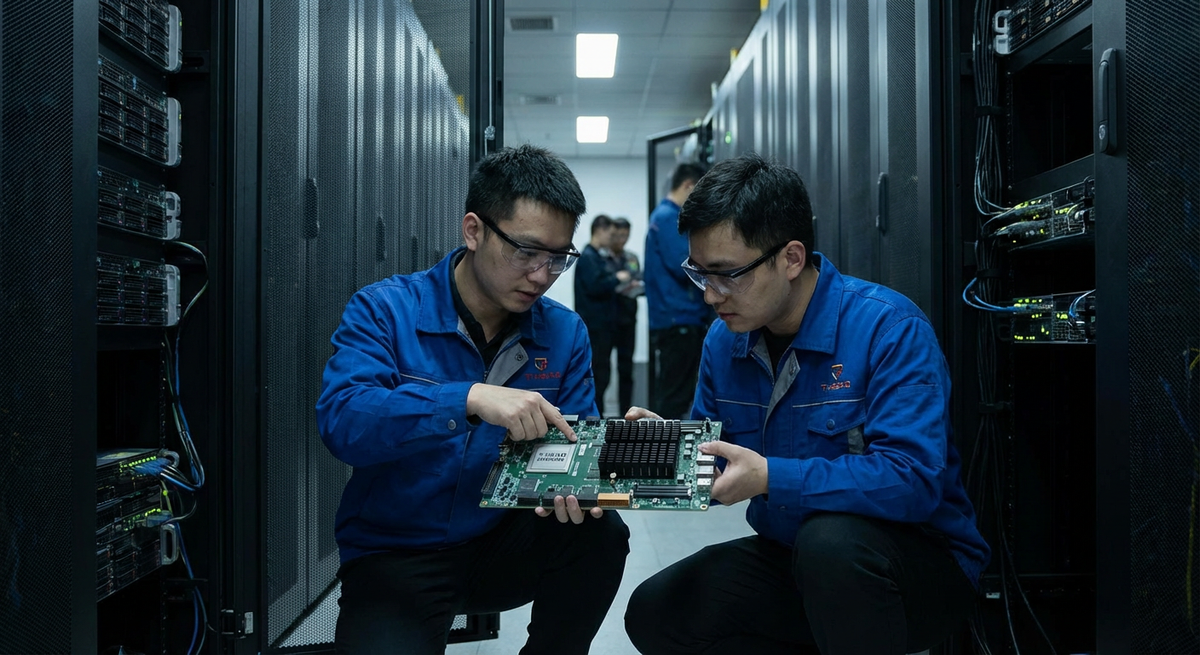
The adjustments target critical infrastructure components, specifically the T-Head Zhenwu 810E accelerator cards, which see price hikes ranging from 5% to 34%. Simultaneously, the company’s intelligent computing file storage system, CPFS, will see a 30% increase. The repricing comes as the domestic cloud market grapples with a dual squeeze: a global surge in AI hardware costs and an unprecedented demand for inference processing.
Prioritizing High-Yield Token Economics
While supply chain inflation provides the baseline justification, the magnitude of the hike suggests a deeper strategic realignment. Sources close to the matter reveal that the primary driver is the exponential growth in "Token consumption"—the unit of measurement for processing data in Large Language Models (LLMs). Alibaba’s MaaS platform, Bailian, recorded historic growth rates in the first quarter of 2026, creating an internal bottleneck for compute resources.
By raising the cost of bare-metal hardware leasing, Alibaba Cloud is effectively incentivizing clients to migrate toward its API-based services. This shifts the revenue model from low-margin hardware rental to high-margin, usage-based token generation. In a resource-constrained environment, allocating the high-performance Zhenwu silicon to internal MaaS operations yields better unit economics than renting the chips directly to third-party developers.
Supply Constraints Reshape Market Dynamics
The 30% surge in CPFS storage pricing underscores the infrastructure burden imposed by the latest generation of generative AI models. As enterprise clients move from experimentation to full-scale deployment in 2026, the demand for high-throughput storage has outpaced capacity. The price corrections reflect the reality that "cheap compute" is no longer sustainable under current supply chain conditions.
This pricing power demonstrates the maturity of Alibaba’s proprietary ecosystem. The T-Head semiconductor unit, once an experimental foray, has become a critical pillar for Alibaba’s autonomy. With global semiconductor supply chains remaining volatile, the ability to control the pricing of indigenous chips like the Zhenwu 810E gives Alibaba a strategic lever to control demand and protect margins.
Industry Signals Policy Pivot
For investors, this development marks a potential end to the "price wars" that characterized the Chinese cloud sector earlier in the decade. The focus has shifted from aggressive market share acquisition to value extraction. As Alibaba Cloud tightens its grip on resource allocation, competitors such as Tencent Holdings and Baidu Inc. are likely to reassess their own pricing strategies for AI infrastructure.
The move suggests that in 2026, access to premium AI compute is transitioning from a commodity to a luxury, with cloud providers acting as the gatekeepers favoring their own platform-layer services over raw infrastructure access.
Related Coverage:
Alibaba Cloud vs. Volcano Engine: China's AI Cloud War Enters a New Phase of Value Competition
Alibaba Cloud Accelerates RMB 40 Billion Shanghai Computing Center with Xuanwu Chips