
Alibaba Launches Pre-Sale of AI-Powered Smart Glasses to Advance Commercial Applications
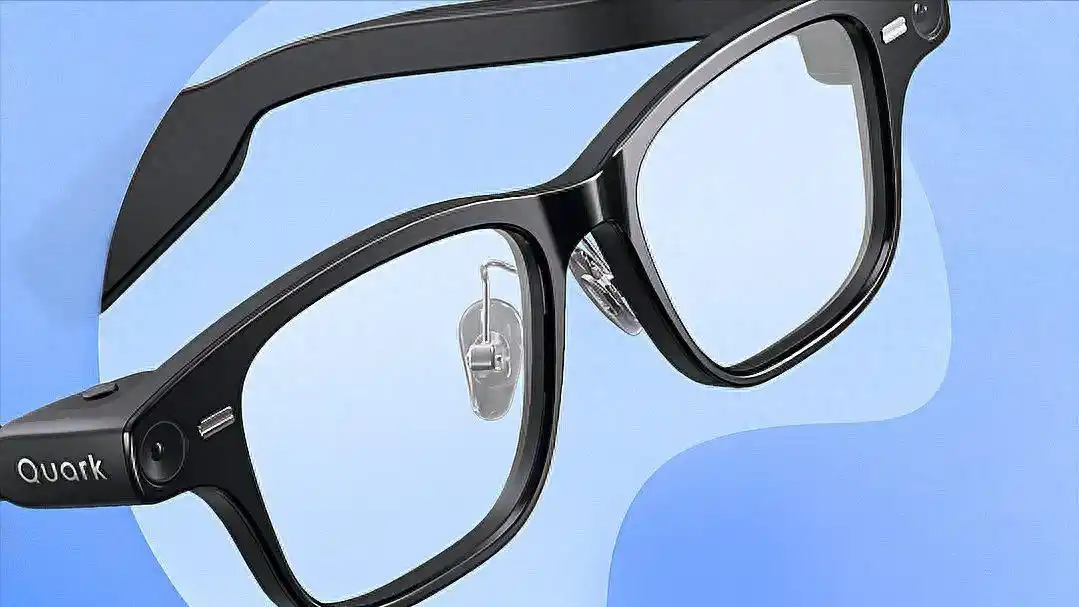
Alibaba announced it will begin pre-selling smart glasses equipped with its artificial intelligence software starting Thursday midnight. Priced at RMB 4,699 (US$650), the Quark AI Glasses will be available for pre-order on JD.com, Douyin, and Tmall, with deliveries scheduled to commence in December.
The device offers hands-free calling, music streaming, real-time translation, and meeting transcription capabilities. Alibaba first unveiled technical specifications for the Quark AI Glasses at the World Artificial Intelligence Conference in July 2025, showcasing deep integration with its ecosystem through features including Amap near-eye navigation, Alipay visual payment, and Taobao real-time price comparison.
The glasses feature an ultra-slim temple design compressed by 40% and incorporate a dual-battery hot-swap system to address battery life concerns. Powered by Alibaba's Tongyi Qianwen large language model, the device can respond to complex commands within seconds, such as "navigate to the airport and remind me about my flight."
According to International Data Corporation (IDC), China's smart glasses shipments surged 116.1% year-on-year in the first quarter of 2025. Full-year shipments are projected to reach 2.907 million units, representing a 121.1% annual increase. Alibaba's entry signals a shift from tool-level products toward ecosystem-centric platforms.
The competitive landscape has intensified, with Xiaomi, Meta, and China Telecom recently launching new products in what industry observers describe as a "battle of a hundred glasses." Meta's Ray-Ban smart glasses have already exceeded 2 million units in sales, and the company is expected to release AR glasses with displays in 2025.
Wellsenn XR forecasts global AI smart glasses sales could surpass 5.5 million units in 2025, marking a 135% year-on-year increase. Industry analysts view this development as companies positioning themselves at the starting line of the "next-generation mobile gateway" as smart wearables transition from functional devices to central ecosystem hubs.