
BYD Disrupts Japan's Kei Car Monopoly With $12,200 EV
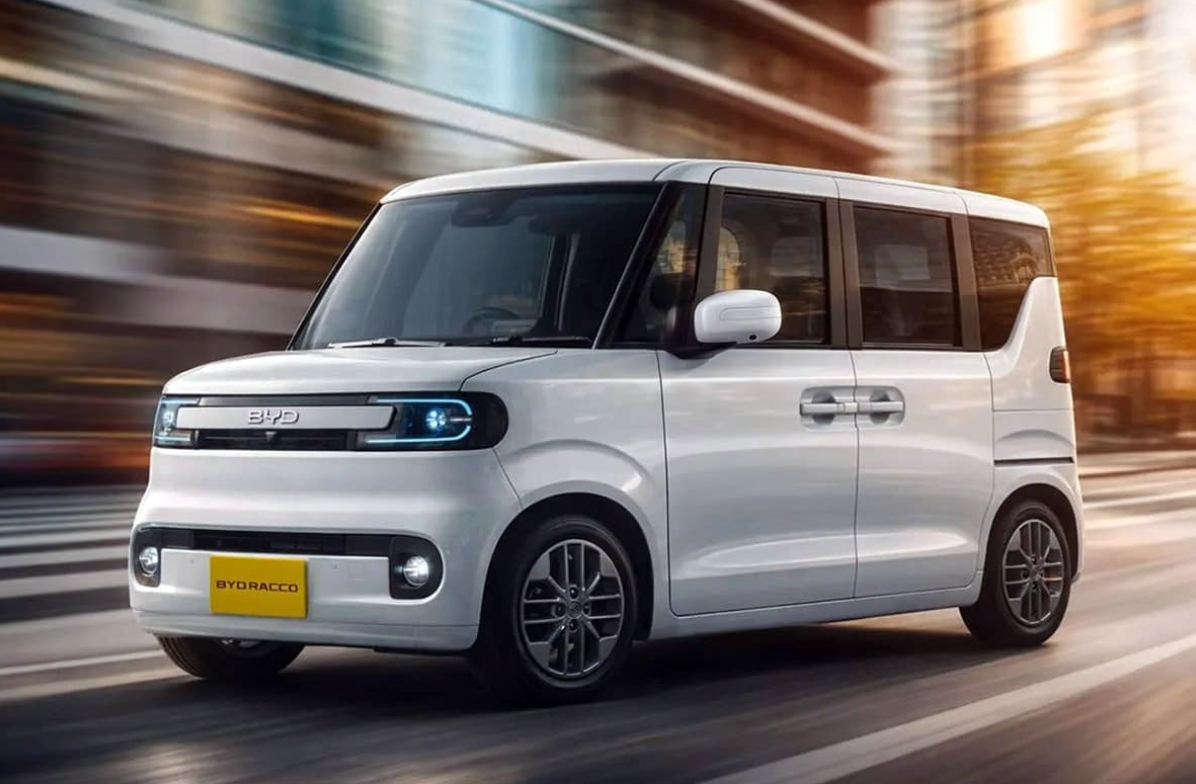
BYD has officially breached Japan's heavily protected microcar market with the launch of its "Racco" electric vehicle, signaling a strategic escalation by China's top EV maker against Japanese legacy automakers on their home turf.
Priced under 2 million yen (US$12,213) after taxes and local government subsidies, the Racco undercuts the base retail price of the Nissan Sakura—Japan's top-selling micro EV. However, a less favorable subsidy tier for imported models leaves the Racco with a slightly higher final acquisition cost than its domestic rival, posing an immediate test of Japanese consumers' appetite for foreign auto brands in a highly price-sensitive segment.
The July 28 rollout marks a critical pivot for BYD following a sluggish initial expansion. Between its market entry in early 2023 and the end of 2025, the Shenzhen-based automaker delivered roughly 7,400 vehicles in Japan. By targeting the "Kei car" segment—a hyper-localized category that accounts for a third of Japan's total auto sales and has long been monopolized by domestic giants like Honda Motor Co. and Suzuki Motor Corp.—BYD is applying the same competitive pressure that has already eroded Japanese automakers' market share in China.
Targeting Expansion Despite Subsidy Hurdles
BYD has outlined a bold objective to secure 10,000 Racco orders by the end of 2026. Atsuki Tofukuji, President of BYD Auto Japan, framed the volume goal as a measure of strategic confidence aimed at generating momentum, rather than a strict market forecast. To maintain sustainable volume moving into 2027, the company calculates its dealership network must secure an average of one order per day per location.
Mizuho Bank senior researcher Tang Jin noted that the aggressive pre-subsidy base price of 1.95 million yen demonstrates BYD’s firm determination to capture market share. Yet, Tang warned of looming pressure on the 10,000-unit target, suggesting the automaker may be forced to deploy promotional campaigns or equipment upgrades if initial demand falters against heavily subsidized domestic alternatives.
Localizing Features for Urban Demands
To compensate for the pricing disadvantage caused by the subsidy gap, BYD engineered the Racco specifically for Japanese consumer preferences. The vehicle offers a maximum driving range of 320 kilometers and introduces sliding rear doors—a first for the micro EV segment and a highly sought-after utility feature in Japan's dense urban environments.
Market analysts view the Racco not merely as a near-term volume driver, but as a strategic wedge to build brand awareness in the world's third-largest auto market. As BYD attempts to pry open the Kei car segment, the launch underscores a shifting global auto dynamic: Chinese manufacturers are transitioning from defending their domestic turf to actively challenging Japanese automotive stalwarts in their most entrenched profit pools.