
BYD's Surprising Slowdown and Joint Venture Slump Reshape China's Auto Market
China's passenger vehicle market delivered mixed signals in the first three quarters of 2025, with traditional joint venture brands and unexpectedly some new energy leaders posting declining sales despite overall market growth. The divergence underscores intensifying competition and shifting consumer preferences in the world's largest auto market.
BYD's namesake brand suffered a surprising 2.32% year-on-year decline in deliveries for the period, excluding its Denza, Fangchengbao, and Yangwang marques, according to data released this week by Gaogong Intelligent Automobile Research Institute. The electric vehicle leader's September sales across all brands fell approximately 5.5% from the prior year.
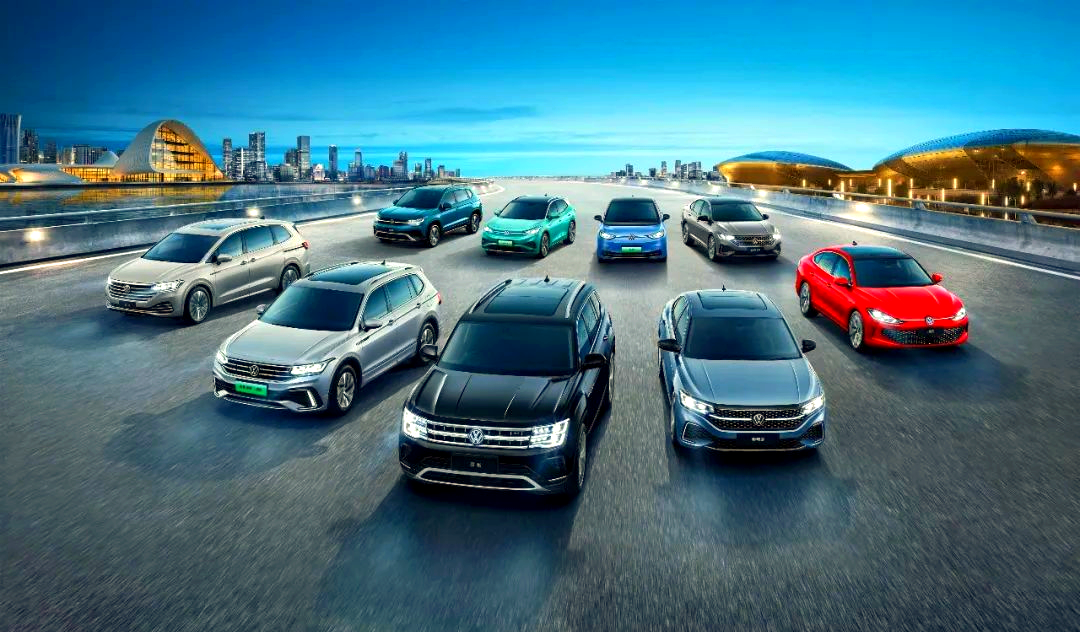
Traditional joint venture brands led market declines, with Honda, Mercedes-Benz, Nissan, Volkswagen, BMW, and Audi collectively losing nearly 600,000 deliveries compared to the same period last year. The steep drop reflects mounting pressure from domestic brands and accelerating shifts in consumer preferences toward electrified vehicles.
The data, which excludes imports and exports from China's domestic market, reveals a market increasingly polarized between price segments and brand categories, with legacy automakers bearing the brunt of structural changes while budget-conscious consumers drive volume growth.
Premium Segment Weakens as Budget Models Surge
Market segmentation by price point reveals dramatic shifts in consumer demand. Vehicles priced above 250,000 yuan ($34,500) represented the steepest decline, with deliveries down 260,400 units year-on-year through September.
In stark contrast, the sub-100,000 yuan ($13,800) segment exploded, adding 927,500 deliveries compared to the prior-year period. The divergence suggests economic headwinds are pushing consumers toward more affordable options while premium demand softens.
BYD's Dynasty and Ocean model series, which comprise the bulk of its sales volume, experienced particular weakness despite aggressive pricing strategies. The company's total deliveries across all brands, including premium offshoots, grew modestly but failed to match market expectations.
Smart Driving Features Fail to Convert Sales
Advanced driver assistance systems are losing their differentiation power as technology becomes commoditized across brands. BYD delivered 1.44 million vehicles equipped with Navigation on Autopilot (NOA) as standard in the domestic market through September—a 70-fold year-on-year surge that accounted for roughly 40% of all NOA-equipped vehicle deliveries.
However, this "smart driving democratization" strategy has not translated into corresponding sales growth. The disconnect suggests autonomous driving capabilities are no longer compelling purchase drivers for Chinese consumers.
A U.S. market survey released in August reinforces this trend. Among 8,000 respondents, only 14% said Tesla's Full Self-Driving feature made them more likely to purchase the brand, while 35% indicated it reduced their purchase intent. Fifty-one percent said FSD had no impact on their buying decision, mirroring patterns now emerging in China's market.
New Energy Brands Show Mixed Performance
Among new energy startups, Li Auto and NIO's main brand, excluding sub-brands Onvo and Firefly, posted delivery declines. Analysts attribute the weakness to intensifying model competition and shifting demand patterns in the premium segment where both brands compete.
Changan Automobile's legacy brand also declined amid consumer preference shifts, though its new energy sub-brands Deepal, Qiyuan, and Avatr maintained growth trajectories. The divergence within Changan's portfolio illustrates the rapid transition from conventional powertrains to electrified offerings.
The increasing homogenization of intelligent driving technology, whether developed in-house or sourced from third-party suppliers, is narrowing competitive differentiation at the assisted driving level. This commoditization forces automakers to compete more intensely on pricing, range, and brand positioning rather than technology features alone.