
Chery Launches Hong Kong IPO, Betting on Global Sales to Offset Tech Lag
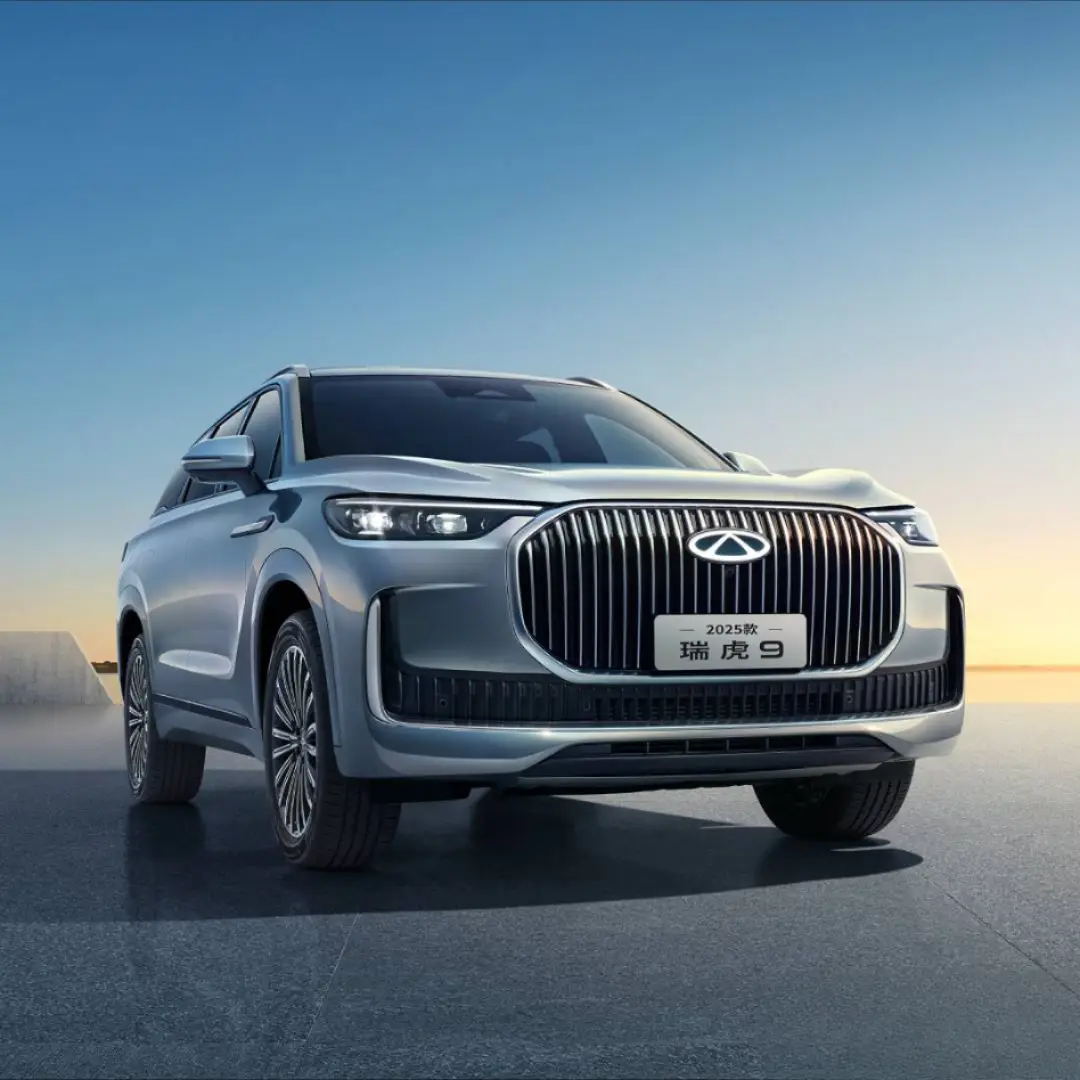
Chery Automobile, a veteran Chinese carmaker, is launching its long-delayed Hong Kong initial public offering, betting its dominant overseas presence can win over investors as it races to catch up in the electric and smart vehicle transition. The listing, which marks the culmination of a 21-year saga of failed attempts, could raise approximately US$1.5 billion for the automaker.
The company will begin taking investor orders on Sept. 17, aiming for a valuation of HK 140 billion, according to its prospectus. Chery, which passed its Hong Kong Stock Exchange listing hearing on Sept.7, is expected to begin trading in late September. The US$ 1.5 billion fundraising target was previously reported by Bloomberg in late August, while the company was said to be seeking a valuation of over 100 billion yuan in reports from last year.
The IPO represents a critical strategic pivot for the Anhui-based automaker. "Chery hopes to use Hong Kong as a new starting point for its entry into international capital markets," Chairman Yin Tongyue said at a Hong Kong auto event in June, months after the company filed its seventh listing application in February of 2025. "In the future, Hong Kong will become Chery's global financial center, logistics center, and a highland for capital and innovation."
Despite its strong sales growth and global footprint, the listing's timing places Chery under intense scrutiny. The company’s valuation may face pressure from its perceived lag in the high-stakes NEV and intelligent driving race, trailing domestic rivals like BYD and Geely Automobile that have already established themselves as leaders in the new-energy era.
A Marathon IPO Journey
Chery's path to a public listing has been one of the longest in China's auto industry, marked by six previous failures over two decades. The first attempt in 2004 stumbled over an equity dispute with partner SAIC Motor over production qualifications. A 2008 relaunch was derailed by the global financial crisis and declining profitability.
Subsequent attempts were thwarted by a combination of unstable financial performance, including a four-year period of losses totaling over RMB 2 billion yuan (US$277 million) from 2009 to 2012, and a complex shareholding structure that failed to meet regulatory requirements. A 2016 plan to list its new-energy unit via a reverse takeover also failed amid regulatory scrutiny and the unit's weak sales performance. The core issues of convoluted equity holdings and performance volatility were cited as the primary reasons for its failed applications in 2019 and 2022.
Global Strength, Domestic Pressure
In its prospectus, Chery highlights its role as "China's second-largest domestic brand passenger vehicle company" and its position as the country's top auto exporter for 22 consecutive years. This global reach is Chery's core competitive advantage and a key differentiator for investors. In 2024, the company's total sales hit a record 2.6 million units, with overseas sales comprising 1.14 million units, or 44% of the total.
This "dual-engine" growth model, leveraging both domestic and international markets, provides a hedge against single-market cyclicality. The company’s 2024 overseas revenue accounted for over 37% of its total revenue of more than 480 billion yuan (approx. US$66.5 billion). In contrast, rival BYD, despite its massive sales volume, exported only 9.8% of its vehicles in 2024. However, Chery's sales mix remains heavily skewed toward traditional Internal Combustion Engine (ICE) vehicles, which accounted for 69.6% of its vehicle revenue in 2024, while New Energy Vehicles (NEVs) made up just 22.4%.
Profitability Under Scrutiny
While Chery's revenue dwarfs that of some rivals—its 2024 revenue was roughly double that of Geely and Great Wall Motor—its profitability is less impressive. Chery reported a net profit of 14.33 billion yuan in 2024, a 37.2% year-on-year increase. This growth trails Geely's 213% and Great Wall Motor's 80.76% in the same period.
The company's overall gross margin stood at 13.5% in 2024, with its core passenger vehicle business at 13.2%. This figure is below the 15%-25% range considered healthy for an automaker and lower than Geely's 15.9% and Great Wall Motor's 19.51%. The margin pressure is primarily attributed to a low-price strategy, a point of concern for investors evaluating the company's long-term earning power.
The Race for Smart Technology
Chery's most significant challenge is closing the gap in NEV and intelligent driving technologies. The automaker's recent "dual strategy"—pursuing both in-house development and a partnership with Huawei—has proven costly without yet establishing a strong tech-forward brand identity. The Luxeed S7, the first model from its collaboration with Huawei, has seen sales lag behind other vehicles in Huawei's alliance ecosystem.
The company's research and development spending, while growing, also trails its tech-focused peers. Chery invested 10.54 billion yuan in R&D in 2024, compared to Geely's 15.9 billion yuan and BYD's industry-leading 54.2 billion yuan. In its prospectus, Chery continues to emphasize its traditional strengths in engines, transmissions, and powertrain systems. This focus risks it being valued by the market as a traditional industrial firm rather than a high-growth tech company, which could weigh on its valuation. With the IPO, Chery aims to secure crucial capital to accelerate its pivot, channeling fresh funds into R&D to enhance its competitiveness in the auto industry's electrified and intelligent future.