
China EV Price War Deepensas Average Discount Hits US$6,600
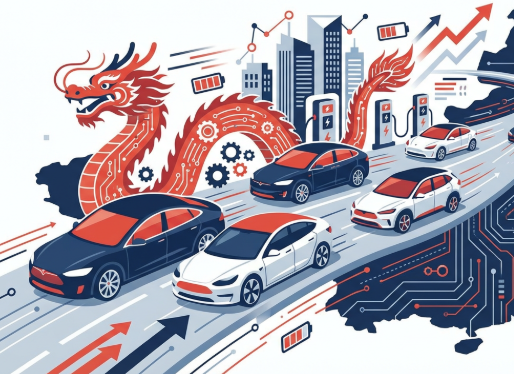
China's new energy vehicle (NEV) market escalated its pricing competition in February 2026, with discounts on individual models averaging RMB 48,000 (US$6,600), according to the latest data released by Cui Dongshu, secretary-general of the China Passenger Car Association (CPCA).
The promotional intensity reached 10.4% across the NEV sector during the month, marking an increase from both January 2026 and the same period last year. This signals a deepening shift in market dynamics as manufacturers pursue volume growth through aggressive price reductions.
The price cuts were concentrated in the premium segment. NEV models that reduced prices in February carried an average retail price of RMB 354,000, translating to an arithmetic mean discount of 13.5%—among the highest levels on record. The data underscores how automakers are adopting increasingly bold strategies to exchange price for market share.
By contrast, the broader passenger vehicle market demonstrated relative pricing restraint. Only six models announced official price cuts in February, down sharply from 17 in January. Gasoline-powered vehicles accounted for four of the discounted models, while pure electric vehicles represented just two—a decline of seven models from the previous year.
For internal combustion engine vehicles, the average price of discounted models stood at RMB 371,000, with cuts averaging RMB 46,000. The promotional rate for gasoline cars dipped slightly to 23.5% but remained elevated.
Across all passenger vehicles, discounted models averaged RMB 361,000 in February, with price reductions averaging RMB 47,000. Analysts attribute the pricing dynamics to multiple factors, including policy adjustments to NEV purchase tax exemptions that have made manufacturer's suggested retail prices more transparent in determining actual buyer costs.
Some brands have also normalized their pricing structures by lowering official list prices, which affects the statistical measurement of promotional depth. The price adjustments, driven primarily by premium models, indicate that China's auto market has entered an intensified phase of competition for market share in what is increasingly a zero-sum environment.