
China’s Auto Sector Forges Strategic Materials Alliance to Neutralize Supply Chain Vulnerabilities
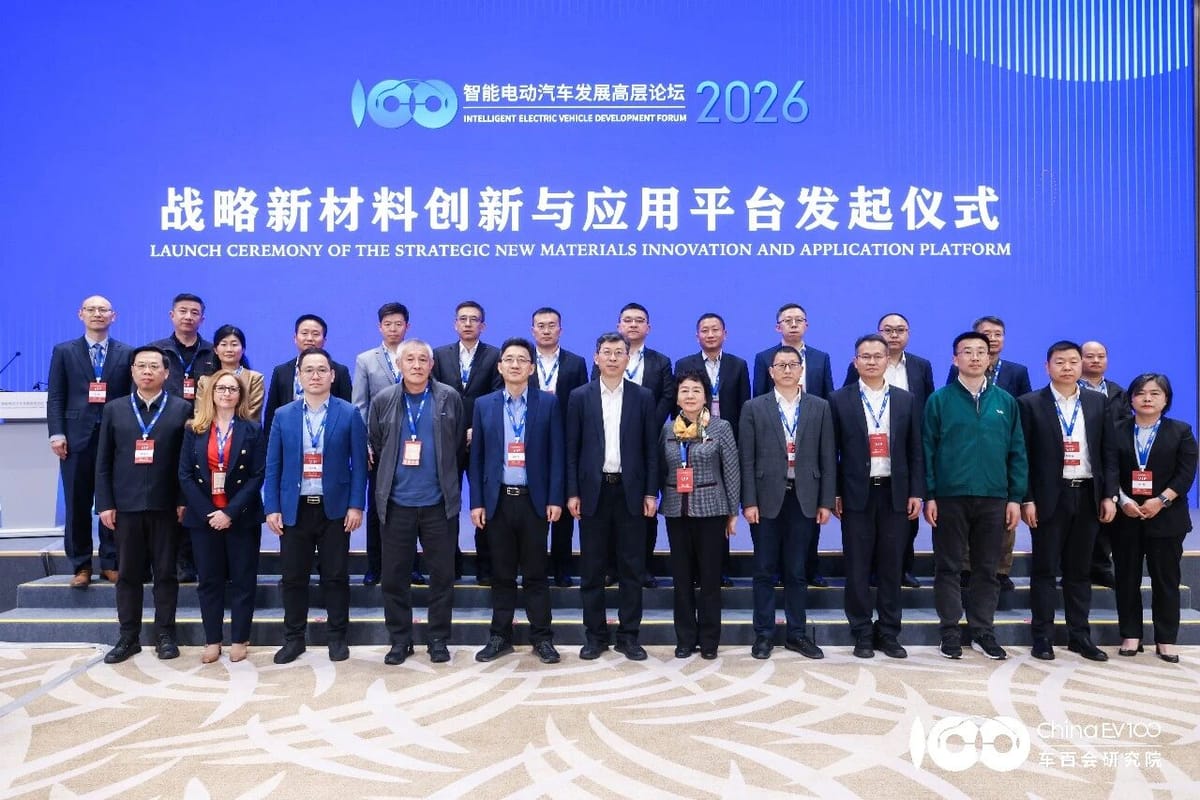
A consortium of over 30 leading Chinese automakers, component suppliers, and material scientists launched a centralized innovation platform on April 12, 2026, aiming to insulate the world’s largest electric vehicle (EV) market from global supply chain shocks and critical material bottlenecks.
The establishment of the Strategic New Materials Innovation and Application Platform marks a definitive pivot in China’s auto strategy, shifting focus from downstream price competition to upstream resource security. As Chinese manufacturers accelerate their global footprint, initial market feedback indicates that securing proprietary advancements in base materials is now viewed by investors as a critical metric for long-term valuation and geopolitical risk mitigation.
The initiative aligns directly with Beijing’s "15th Five-Year Plan," which designates new materials as one of eight strategic emerging industries. By vertically integrating the ecosystem—from raw material R&D to mass production and standard-setting—the platform seeks to trigger a "waterfall effect" of technological commercialization across the broader manufacturing sector.
Targeting Import Dependencies and Chokepoints
China’s EV dominance masks underlying vulnerabilities in upstream resources, a structural risk the new alliance intends to dismantle. Currently, the domestic auto sector relies on imports for over 60% of its lithium and more than 90% of its nickel requirements. Furthermore, localization rates for automotive chips in self-owned brands hover around a mere 20%.
"The automotive industry chain is exceptionally long, and the most critical elements are resources and materials," said Zhang Yongwei, Chairman of the China EV100 Research Institute. Zhang emphasized that the platform is engineered to resolve integration bottlenecks between the supply chain and auto manufacturing, calling for enhanced strategic reserves and early-warning systems to manage raw material security.
Heavyweights backing the platform include Geely Holding Group, SAIC Motor, Dongfeng Motor, and BYD, alongside global material giants like PPG and Dow Chemical.
Accelerating Lightweight and Carbon-Negative Technologies
A core mandate of the platform is to bridge the "valley of death" between laboratory breakthroughs and commercial automotive applications. The focus is heavily skewed toward next-generation battery components and extreme lightweighting technologies, which are essential for extending EV range and meeting stringent global emission standards.
Significant commercial milestones are already materializing. One domestic tech firm has achieved mass production of single-walled carbon nanotubes—a rolled graphene structure critical for next-generation EV and aerospace applications. Meanwhile, Kingfa Sci. & Tech.is deploying advanced composite materials that drastically alter the carbon footprint of vehicle manufacturing.
"Our materials can achieve carbon reductions of 30% to over 40%," noted Liu Yanwei, General Manager of the Automotive Industry Division at Kingfa Sci. & Tech. "In terms of lightweighting, components like our all-plastic tailgates can reduce weight by 30%."
Shifting Supply Chain Risks to Tier-1 Suppliers
The platform also reflects a structural reorganization of risk distribution within the Chinese auto supply chain. As original equipment manufacturers (OEMs) demand higher resilience, Tier-1 suppliers are increasingly assuming the role of risk buffers.
Shen Shaojie, CEO of Zhuoyu Tech, highlighted this shifting dynamic. "As a Tier-1 supplier, we provide a safety net for OEMs. Whether through preemptive stockpiling or developing various technological alternatives, we are essentially engaging in risk-sharing," Shen stated.
This collaborative defense mechanism is designed to ensure production continuity even amid global trade frictions or raw material price volatility. By standardizing the integration of domestic materials and enforcing shared accountability across the supply chain, the 2026 alliance aims to solidify a modernized, self-reliant industrial base capable of sustaining China's automotive export momentum.
Related Coverage:
Morgan Stanley: China's Auto Sector is "Extremely Unloved" As Recession Meets Robotaxis