
China’s Lithium Industry Faces Divergent Fortunes Amid Middle East Crisis
China’s lithium-battery supply chain is being reshaped by the Middle East crisis, splitting the sector between companies buoyed by a fresh surge in energy-storage demand and those exposed to higher costs and delivery risks as key shipping routes seize up.
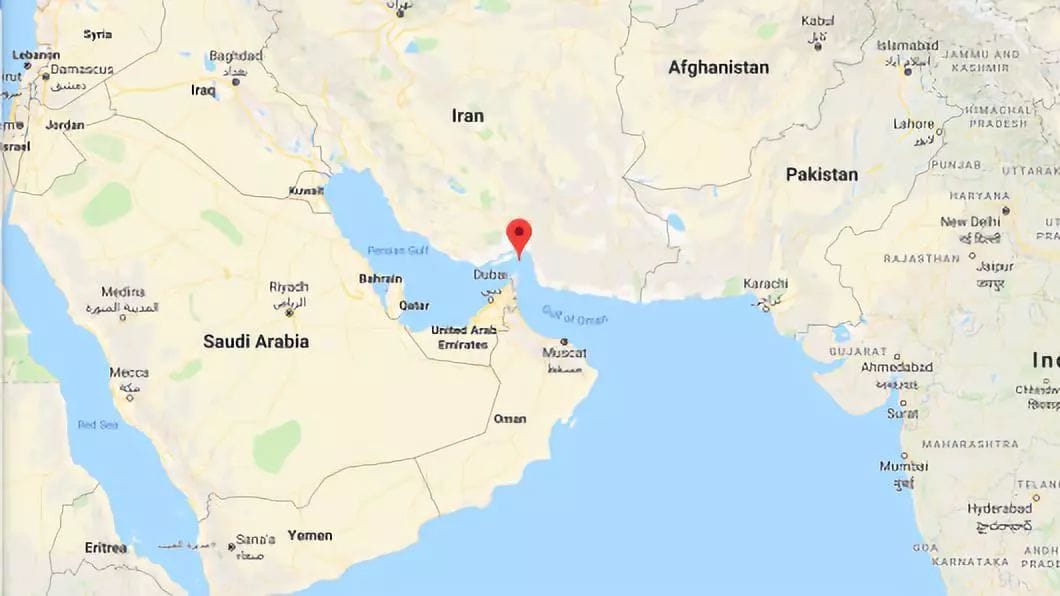
The rupture began after US and Israeli strikes on Iran on Feb. 28, followed by Iran’s move to block the Strait of Hormuz. Oil prices have since climbed sharply, nearing the psychological threshold of $120 a barrel, while the disruption has spilled beyond crude into chemicals, plastics, aluminium and other industrial inputs used across the auto and battery value chain.
For China’s battery makers—dominant in global supply—rising raw-material and logistics costs are colliding with weakening sentiment in the car market. Lithium carbonate prices briefly jumped above RMB 170,000 per tonne (US$23,600), adding pressure just as production scheduling and overseas expansion plans become harder to forecast.
At the same time, the conflict is accelerating a structural tailwind for energy storage, driven by energy-security concerns. Forecasts cited by Soochow Securities point to global new energy-storage installations rising more than 60% in 2026, with growth expected to remain elevated through 2029—supporting exporters with large order backlogs, but also raising the stakes of shipping, compliance and contract execution.
Supply Chain Disruptions and Geopolitical Risk
The Strait of Hormuz disruption is creating a three-layer stress test for Chinese battery exporters: freight inflation, delivery-default risk and overseas warehousing losses.
Windward shipping data showed vessel traffic rerouting around the Cape of Good Hope surged 112% after the closure was announced, a shift that implies longer transit times and higher sea freight for routes to the Middle East and Red Sea. Battery shipments face added burdens because power and storage batteries are treated as dangerous goods, with stricter compliance requirements and sharply higher “war risk” surcharges, eroding export profitability.
Beyond transport, installation delays and stoppages across affected markets are increasing the risk of missed milestones and potential claims on large overseas projects. Tighter import and export controls under wartime readiness could also slow customs clearance for equipment and parts, amplifying uncertainty around deliveries.
Bottlenecks at ports add another cost center. If batteries pile up in overseas warehouses due to disrupted schedules or delayed customs clearance, companies can face both higher storage fees and performance degradation risks, given batteries’ strict temperature and humidity requirements.
Beneficiaries of Price Surges
The crisis is lifting the outlook for energy-storage demand—an area where China’s manufacturers already hold a dominant position—potentially offsetting weakness in the passenger EV market.
GGII data showed China’s total shipments of energy-storage lithium batteries reached 630 GWh in 2025, up 85% year on year. Contemporary Amperex Technology shipped more than 120 GWh of energy-storage batteries in 2025, up 29%, ranking first globally. REPT Battero Energy reported 32 GWh of energy-storage battery shipments, up more than 110%, while EVE Energy shipped 35 GWh, up 65%. Gotion High-Tech shipped about 18.9 GWh, up 39%.
Orders in the Middle East—described in the material as among the most profitable export destinations—have been a key driver. Sungrow Power Supply secured a 7.8 GWh order for Saudi Arabia’s ALGIHAZ project, while Huawei Digital Power was tied to a 1.3 GWh solar-storage microgrid project for Saudi Arabia’s Red Sea new city. CRRC Zhuzhou Institute and Envision Energy have also repeatedly won GWh-scale orders in markets including the UAE and Saudi Arabia.
Customs data cited from GTT showed China’s lithium-battery exports to the Middle East rose from about US$270 million in 2020 to approximately US$3.534 billion in 2025, a 13-fold increase over five years, with energy-storage batteries accounting for more than 60%.
Vulnerable Players and Operational Challenges
While energy storage is gaining momentum, power-battery makers are entering 2026 with a more fragile setup: higher input costs, uncertain demand and additional policy-driven pressure on consumers.
Lithium carbonate’s move above RMB 170,000 per tonne (US$23,600) has pushed up core battery material costs, while broader commodity inflation—linked to disruptions in plastics, chemicals, aluminium, copper and steel—raises manufacturing expenses across the vehicle supply chain. The conflict-driven spike in oil prices also increases freight and overseas warehousing costs for batteries.
Demand-side visibility is deteriorating. China’s passenger car market began 2026 with a subdued tone, and the policy change that halves the new-energy vehicle purchase tax exemption from 2026 is increasing consumers’ effective cost of buying EVs. Industry data cited from the China Passenger Car Association showed internal-combustion vehicles’ market share in January 2026 rose to 61.4%, up from below 50%, indicating a cost-driven shift in consumer choices—before the Middle East shock raised costs for both EV and fuel-car ecosystems and contributed to a broader wait-and-see stance among buyers.
For exporters, the practical risk is that even companies with large overseas storage orders may see margins squeezed by rerouting, surcharges, delayed commissioning and potential contractual disputes, particularly as some projects slow or halt.
Policy and Market Outlook
The material points to a bifurcated 2026: near-term turbulence in power-battery demand versus a clearer multi-year runway in energy storage, especially in regions prioritising energy security.
Soochow Securities estimates global residential storage installations will reach 34 GWh in 2026, up 30% year on year, and global new energy-storage installations will rise more than 60% in 2026. For 2027 to 2029, the forecast compound growth rate is 30% to 50%, implying continued capacity absorption for suppliers able to deliver reliably.
The crisis is also pushing companies to rethink the “made in China, sold globally” model toward deeper localisation. The material argues that battery makers will need to accelerate overseas capacity build-outs and equity partnerships to reduce dependence on volatile shipping lanes and to improve market access.
Industry Implications
The Middle East crisis has split China’s lithium sector: integrated producers with diversified supply chains profit from soaring prices, while exposed firms face operational and financial pressures. Supply chain resilience and strategic sourcing will define winners and losers through 2026.