
China’s New Monopoly: Controlling the Future of AI Eyewear
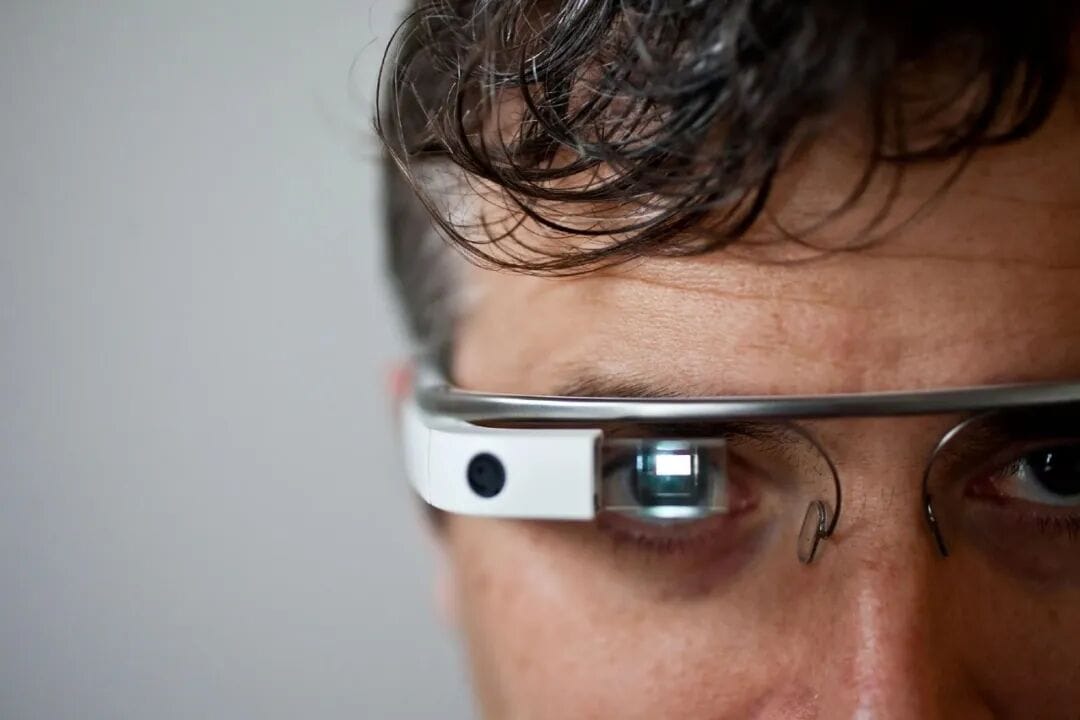
China now controls more than 80% of the global supply chain for AI glasses, cementing its position as the indispensable manufacturing hub for what Silicon Valley views as the next major computing platform. From advanced optical modules to final assembly, Chinese manufacturers have established a comprehensive dominance that global technology giants find increasingly difficult to bypass.
A recent report by Bank of America Corp. highlights that over 80% of companies in the AI glasses supply chain are based in China. This concentration has created a vertically integrated ecosystem capable of rapid innovation and cost reduction. Major international players, including Meta Platforms Inc. and Google, are deepening ties with Chinese suppliers to secure critical components and production capacity.
The market impact of this dominance is accelerating in 2026. With supply chain efficiencies driving prices down and technical capabilities up, the sector is reaching a pivotal inflection point. According to IDC data, global smart glasses shipments surged 64.2% in the first half of 2025 to 4.06 million units, with China poised to lead global growth over the next five years.
This shift represents a fundamental evolution from low-margin assembly to high-value technical leadership. Chinese firms have moved beyond simple manufacturing to define industry standards in optics, chip integration, and precision engineering, effectively forcing global competitors to rely on their infrastructure to scale production.
Vertical Integration and Speed
The Chinese supply chain's strength lies in its ability to handle the most expensive and technically complex components of AI glasses: optical modules and chips. Together, these two components account for over 70% of the device's total cost—roughly 40% for optics and 30% for chips—and Chinese firms have secured leading positions in both.
In the Yangtze River Delta, companies are advancing cutting-edge display technologies. JBD (Shanghai Xianyao Display has developed Micro LED light engines as small as 0.15 cubic centimeters with significantly lower power consumption than the industry average. Meanwhile, Zhige, originating from Tsinghua University, has overcome the "rainbow effect" in optical waveguides and reduced lens weight to less than 4 grams.
In the semiconductor space, Chinese chipmakers are capturing significant market share. Hengxuan Technology (Zhuhai Hengxuan Technology) has become a core supplier for Meta’s Ray-Ban smart glasses. Similarly, Rockchip Electronics Co., Ltd. (Fujian Ruixinwei) provides the processing power for Xiaomi AI glasses.
The manufacturing speed in the Pearl River Delta further underscores this advantage. Local manufacturers claim the ability to produce a prototype within three days and launch a product online within seven days once an order is received.
Beyond Basic Assembly
China’s role has evolved from passive contract manufacturing to proactive technical innovation. Industry leaders such as Goertek, Luxshare Precision, and Lens Technology have successfully transferred their expertise from the smartphone era to AI wearables.
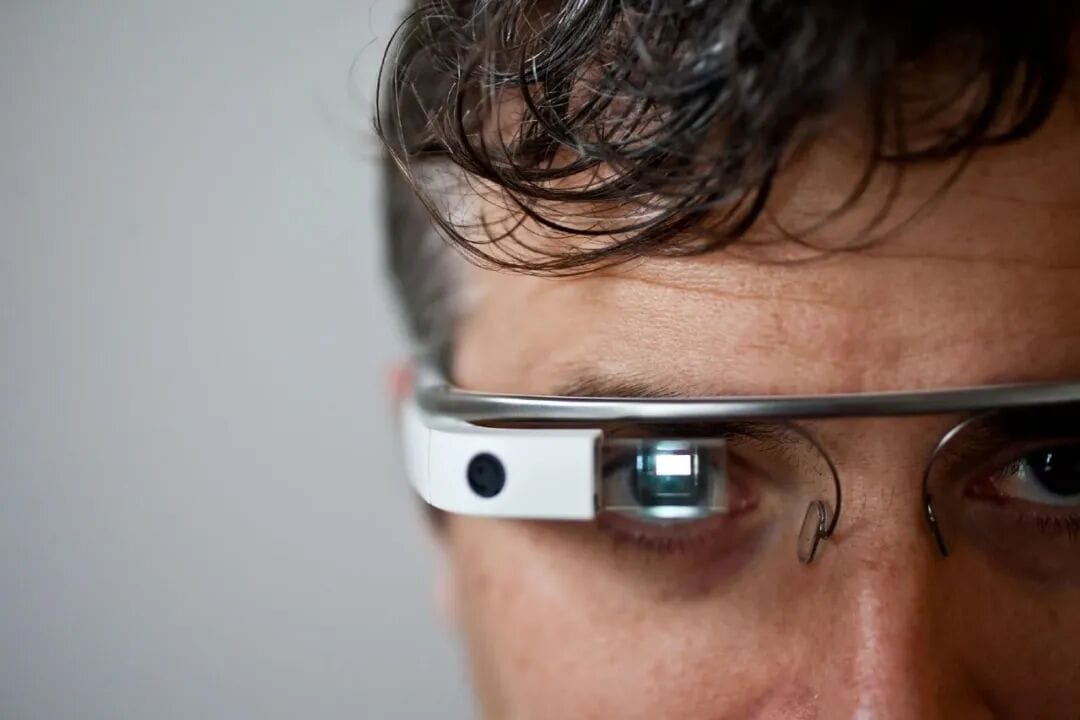
Lens Technology, for instance, has optimized production to reduce eyewear weight to 49 grams, managing over 20 precise assembly steps and iterating nose pad designs more than a dozen times to ensure comfort. This level of precision has made Chinese manufacturers unavoidable partners for global brands. Products from Meta, the current market leader, bear packaging codes linking back to Goertek. Even Google has announced a partnership with Chinese startup XREAL to develop its next generation of AR glasses.
XREAL founder Xu Chi noted that cost reduction in the industry inevitably leads to Asia, with China being the optimal choice not just for price, but for the pace of technical iteration.
Brand Surge and Market Growth
The maturity of the supply chain has triggered a boom in domestic Chinese brands and a dramatic reduction in consumer prices. AI glasses, once costing thousands of dollars, are now available for approximately RMB 1,999 (US$275).
This trend was evident at CES in January 2026, where Chinese companies dominated the exhibition floor. RayNeo (backed by TCL Technology Group Corp.) unveiled the world’s first consumer AI glasses with eSIM support, while XREAL partnered with ASUS to launch a gaming-focused model with a 240Hz refresh rate. Other players like Rokid introduced "screenless" AI glasses weighing just 38.5 grams.
Tech giants including Huawei, Baidu, and automaker Li Auto have all entered the fray, with products frequently selling out immediately upon release.
IDC predicts that 2026 will mark a turning point for the scale of the Chinese smart glasses market, projecting a compound annual growth rate of 55.6% over the next five years—the highest globally. This growth is underpinned by a supply chain that has successfully transitioned from imitation to innovation, securing China's "center stage" status in the next wave of consumer electronics.