
Chinese Brands Surge in Italy as Electric Vehicle Shift Accelerates
Italy's automotive market showed signs of recovery in September 2025, with Chinese brands leading a dramatic transformation as local consumers increasingly embrace electrification. New vehicle registrations rose 4.1% year-on-year to 126,679 units, ending four consecutive months of decline.
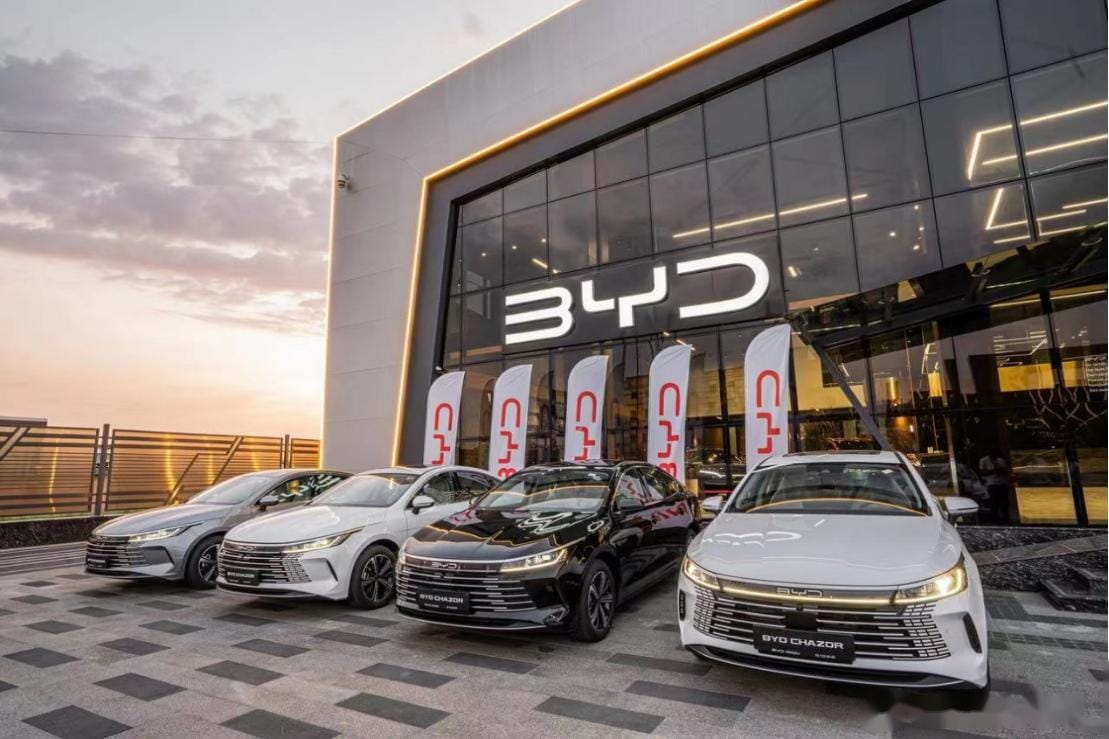
BYD emerged as the standout performer, with sales surging 951.5% to 2,471 units and securing a historic entry into Italy's top 20 automotive brands for the first time. The Chinese electric vehicle manufacturer now commands a 2% market share, driven primarily by strong demand for its Seal U model.
The surge reflects broader shifts in Italy's automotive landscape, where hybrid and plug-in hybrid vehicles are rapidly displacing traditional combustion engines. Chinese brands collectively capitalized on this transition, with several manufacturers posting triple-digit growth rates.
Italy's cumulative sales for the first nine months remain 2.9% below 2023 levels at 1.17 million units, highlighting ongoing market challenges despite September's rebound.
Electrification Drives Market Recovery
The Italian market's September performance was underpinned by significant powertrain shifts. Plug-in hybrid vehicles led growth with a 163.9% increase to 11,062 units, expanding market share to 8.7% from 3.4% in 2024.
Traditional gasoline vehicles declined 7.1% to 29,061 units, capturing just 22.7% market share, while diesel sales plummeted 28.4% to below 9% share. Pure electric vehicles posted modest 11.7% growth to 7,190 units, representing 5.6% of total sales.
Hybrid vehicles maintained dominance with 57,708 units sold, accounting for over 45% of the market. Mild hybrid variants surged 12.4%, while full hybrids declined 4.6%, indicating consumer preference for more affordable electrification options.
Chinese Brands Establish Market Foothold
BYD's breakthrough performance positioned it among Italy's established automotive players, with the Seal U model ranking 17th in individual vehicle sales at 1,851 units. The achievement marks the first time a Chinese vehicle has penetrated Italy's top 20 model rankings.
MG Motor demonstrated consistent growth with 3,810 units sold in September, up 18% year-on-year. The brand's cumulative sales reached 39,106 units through nine months, representing 31.1% annual growth. Its ZS model secured a position in the top 20 vehicle rankings.
The Omoda and Jaecoo brands, operated by Chery Automobile, recorded combined sales of 1,626 units, surging 292.8% monthly and 867.6% cumulatively. Leapmotor Technology maintained its European expansion despite lower volumes.
Traditional Brands Face Pressure
Domestic leader Fiat increased registrations 35.8% to 12,326 units, maintaining its 9.7% market share. Toyota Motor Corp. secured second place with 9,986 units, while Volkswagen AG ranked third despite a 1.7% decline.
French manufacturers struggled significantly, with Renault SA sales dropping 30.3% and Peugeot declining 17%. Ford Motor Co. registrations fell 24.6%, reflecting broader challenges facing traditional Western automakers.
The Fiat Panda retained its position as Italy's best-selling vehicle with 7,671 units, followed by the Jeep Avenger at 4,857 units. The market showed increased appetite for compact and electric vehicles, benefiting both domestic and Chinese competitors.
Market Outlook Signals Continued Disruption
Consumer purchasing patterns revealed structural changes, with private buyer share declining to 55.9% from 64% in 2024. Corporate channels expanded significantly, with self-registration rising 29.9%, long-term leasing up 33.3%, and short-term rental increasing 51.5%.
Chinese brands' success stems from competitive positioning in electric and hybrid segments, combined with localized distribution strategies and aggressive pricing. Their performance in September suggests sustained momentum as Italy's electrification transition accelerates.
The market dynamics indicate traditional automotive hierarchies face continued pressure, with Chinese manufacturers positioned to capture additional market share through 2025 as consumer preferences shift toward electrified mobility solutions.