
DJI Reportedly Delays Key Product Launches Amid Intensifying Competition
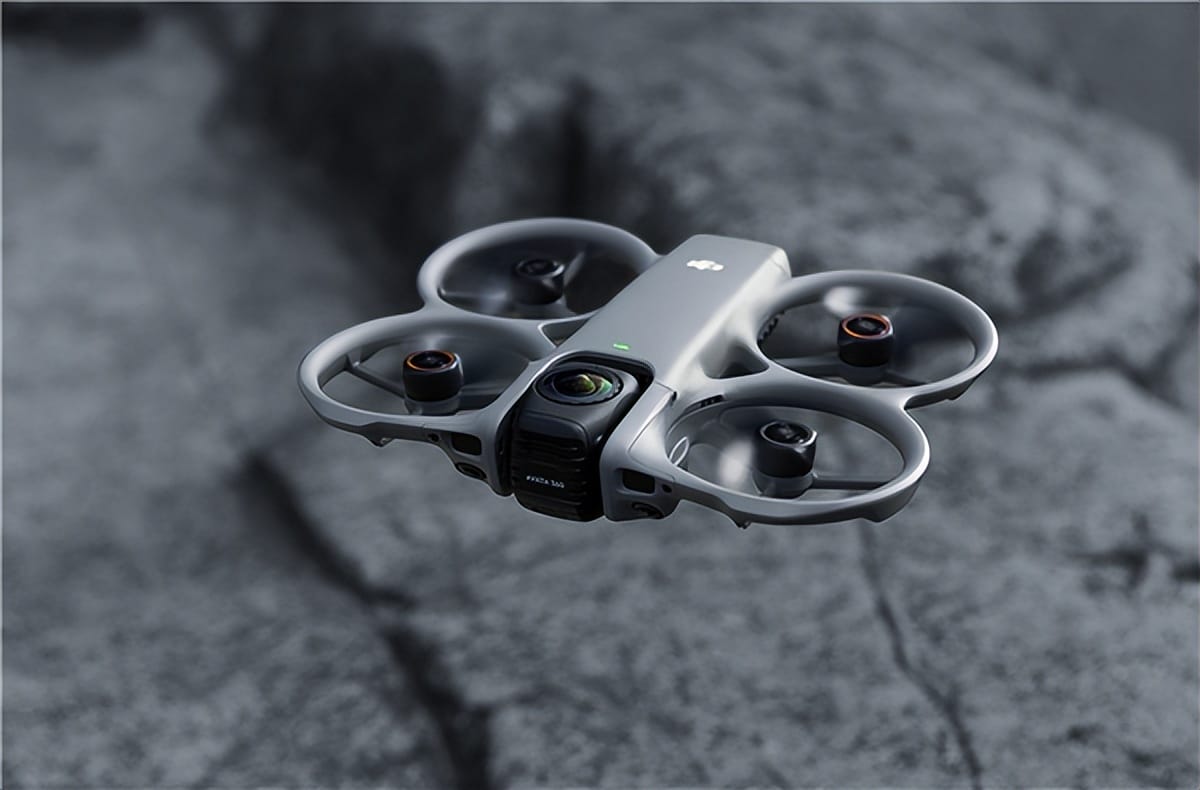
SZ DJI has reportedly postponed the release of its highly anticipated Osmo Pocket 4 and Avata 360 drone due to unspecified constraints, introducing uncertainty to the product roadmap of the world’s largest commercial drone manufacturer.
The delay comes despite the emergence of detailed technical specifications, fueling market speculation that the timing adjustment represents a strategic move to counter rising competition from rival camera maker Arashi, known commercially as Insta360.
Industry analysis suggests that by extending the release window, DJI may be aiming to freeze consumer purchasing decisions during the critical holiday sales period, effectively disrupting the momentum of competitors in the panoramic drone sector.
While the revised launch schedule remains indeterminate following missed targets initially set for December and early 2026, the leaked specifications indicate significant hardware overhauls designed to solidify DJI's technological leadership.
Strategic Market Positioning
The scheduling uncertainty surrounding the Pocket 4 follows earlier reports of an initial December 12 target, which was subsequently pushed to January 2026 before becoming unclear. The repeated delays have led to a "wait-and-see" approach among consumers.
The postponement of the Avata 360 is viewed by observers as particularly sensitive given Insta360’s first-mover advantage in the panoramic drone market. Holding back the release could be a calculated effort to prevent potential buyers from committing to rival products until DJI’s offering is available for comparison.
By utilizing this time to refine product performance, DJI appears to be balancing technical perfection with a commercial strategy aimed at slowing the market penetration of its primary competitors.
Pocket 4 Design Overhaul
Leaked visual comparisons shared by industry insider Igor Bogdanov on December 10 reveal that the Osmo Pocket 4 features a notably larger camera module than its predecessor, the Pocket 3.
The protruding lens housing indicates the potential adoption of a dual-camera system, likely integrating wide-angle capabilities with telephoto or ultra-wide lenses to expand creative options for users.
To support the increased weight of the new optical components, DJI has reportedly redesigned the mechanical structure with a new offset gimbal arm, ensuring stability is maintained despite the heavier payload.
While the device appears slightly taller, it retains a compact, portable form factor, with minor ergonomic adjustments made to the physical button layout.
Upgraded Imaging and Performance
The Pocket 4 is expected to feature a 50-megapixel 1-inch square CMOS sensor and a rotatable 2.2 to 2.5-inch OLED touchscreen, significantly enhancing image quality and user interface experience.
Video capabilities are projected to include 6K recording, along with 4K at 120fps and 1080p slow-motion at 240fps. Professional workflows are supported by 10-bit D-Log M color profiles and LiDAR-assisted autofocus for rapid subject tracking.
Connectivity specifications include Wi-Fi and Bluetooth, with audio support for the DJI Mic 2/3 ecosystem via an omnidirectional stereo microphone setup.
The unit is estimated to weigh approximately 190 grams and offers extended operation with a battery life of up to 180 minutes, supported by the AI-enhanced ActiveTrack 7.0 system.
Avata 360 Capabilities
The delay also affects the DJI Avata 360, which specifications suggest will be a high-performance panoramic drone equipped with dual 1/1.1-inch CMOS sensors.
The drone is capable of capturing 38-megapixel static photos and synthesizing ultra-high-resolution 120-megapixel panoramic images, catering to professional content creators.
Video performance includes 8K panoramic recording at 50fps and standard 4K recording at 120fps. Stability is ensured by RockSteady 3.0+ and HorizonBalancer technologies, alongside a visual and LiDAR sensor array for flight safety.
With a transmission range of 20 kilometers via the O4 system and a 25-minute flight time, the drone is rumored to face the market with a "Fly More Combo" priced at US$999 (approximately RMB 6,899 yuan).