
Dongfeng’s EV Unit Voyah Files for Hong Kong Listing Amid Strategic Overhaul
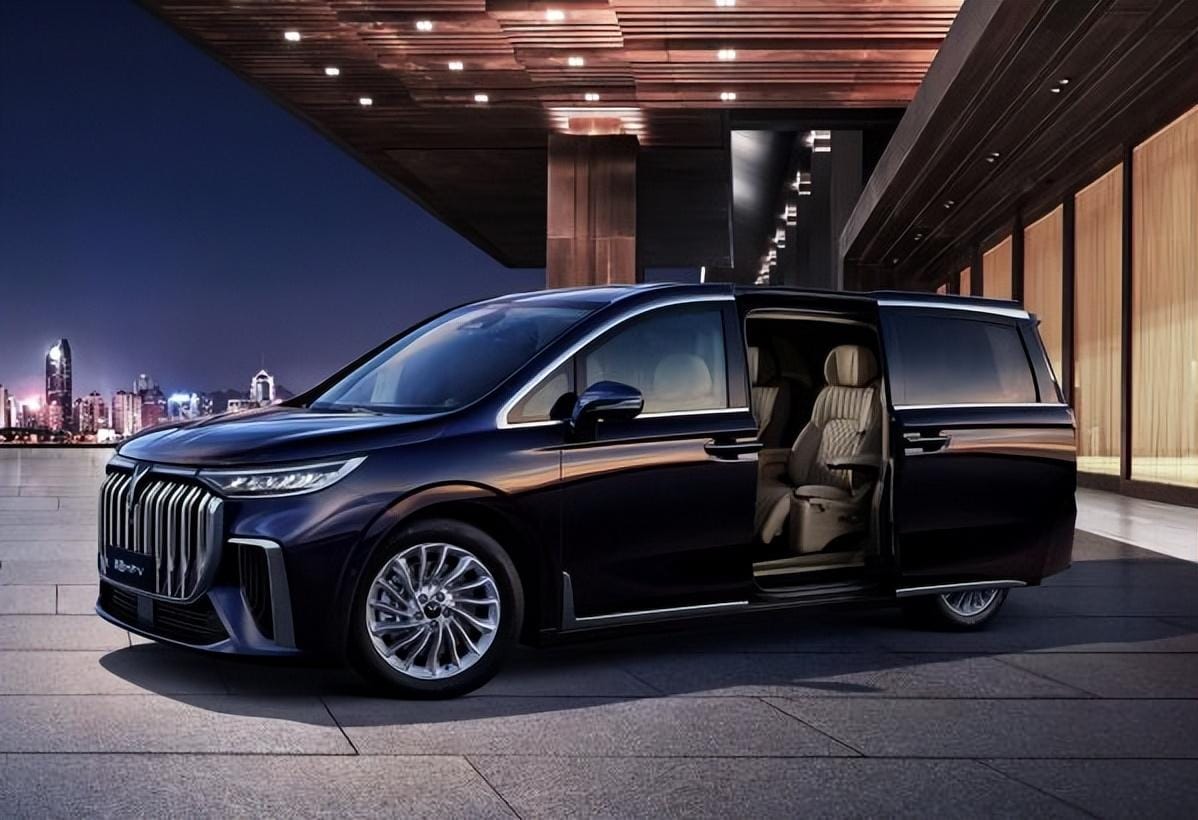
Voyah Automobile, the premium electric-vehicle arm of state-owned Dongfeng Motor Group, has filed for a Hong Kong listing by introduction, a move that coincides with its parent company’s privatization plan and signals a major strategic pivot to unlock value in its new energy business.
The "listing by introduction" method allows for a faster path to public markets without raising new capital. It's a strategic choice aimed at securing an independent status and broader access to capital channels amid fierce industry consolidation, rather than an immediate fundraising effort.
This dual transaction highlights Dongfeng’s "cage-for-bird" strategy, spinning off its most promising asset to escape the low-valuation trap plaguing traditional automakers. For Voyah Automobile Technology, the listing is a crucial step in its mission to spearhead Dongfeng Motor Group push into the high-end EV market.
While Voyah achieved a rare pre-IPO profitability in the first seven months of 2025, its bottom line remains heavily reliant on government subsidies. A key partnership with Huawei, which has boosted recent sales, also presents long-term strategic challenges regarding brand identity.
Dongfeng's Decline, Voyah's Ascent
Voyah's move to list comes as its parent, Dongfeng, grapples with a steep decline. The legacy automaker’s H-shares have long been undervalued, effectively losing their function as a financing platform. Its market capitalization stood at just HK$39.12 billion as of July 31, a price-to-book ratio of only 0.25, before the privatization news spurred a brief rally.
Dongfeng’s financial performance reflects the industry-wide struggles of traditional carmakers. The company’s net profit is expected to have plummeted by approximately 92% in the first half of 2025. Vehicle sales fell another 14.7% year-over-year in the same period, dragged down by sharp declines at its joint ventures with Nissan, Honda, and Stellantis.
Amid this downturn, Voyah has emerged as Dongfeng’s "shining star." Launched in 2020 to lead the group’s high-end electrification efforts, the brand received over 11 billion yuan (US$1.5 billion) in initial investment and full access to Dongfeng's resources. In the first seven months of 2025, Voyah recorded 15.78 billion yuan in revenue and a net profit of 434 million yuan, a significant turnaround from years of losses. Its gross margin improved from 8.3% in 2022 to 21.3% in early 2025.
However, this profitability is not without caveats. Voyah received 640 million yuan in government grants in the first seven months of 2025, a sum equivalent to 147% of its net profit for the period, raising questions about its sustainability as industry subsidies wane. Furthermore, the company has delivered just 95,400 vehicles in the first three quarters, falling short of its 200,000-unit annual sales target for 2025.
Riding the Huawei Wave
A critical element of Voyah’s recent success is its deep collaboration with Huawei. The partnership, formalized in January 2024, focuses on intelligent driving and smart cockpit technologies. The first fruit of this collaboration, the Voyah Dreamer MPV equipped with Huawei's Qiankun ADS and Harmony Cockpit, has become a top seller in its segment since its September 2024 launch.
This strategy offers a shortcut, allowing Voyah to rapidly integrate advanced smart features and enhance its market competitiveness. However, it also presents a significant risk. As Huawei expands its partnerships with other automakers, including GAC, SAIC, and Changan, its technology could become commoditized, forcing brands to compete on other factors like design and cost.
The experience of Seres offers a cautionary tale. Its Aito brand, co-developed with Huawei, has seen soaring sales and a dramatic rise in market value. In contrast, sales of Seres's non-Huawei brand, Landian, fell 34% in the first half of this year. This highlights the danger of a brand becoming overshadowed by its tech partner. Recognizing the challenge, Voyah must balance leveraging Huawei's capabilities with building its own distinct brand identity and core technology moat to avoid simply becoming a contract manufacturer for Huawei's systems.
MPV Dominance Faces Market Limits
The Voyah Dreamer MPV is the undisputed pillar of the company's sales, accounting for over 60% of its total vehicle deliveries in the first seven months of 2025. By entering the premium electric MPV segment early, Voyah gained a first-mover advantage in a market historically dominated by gasoline models like the Buick GL8 and Toyota Sienna.
However, the competitive landscape is intensifying. Voyah faces direct competition from BYD's Denza D9, while legacy models from Buick and Toyota continue to command strong sales, demonstrating that smart features are not the only consideration for MPV buyers. Further pressure comes from new entrants like Wey's Gaoshan, which recently topped monthly sales charts.
This fierce competition is occurring within a niche market. MPVs accounted for just 3.4% of all vehicle sales in China in 2024, a figure projected to grow only to 4.1% by 2029, according to Voyah’s prospectus. The segment also has high barriers to entry, with significant R&D and production costs. This is reflected in Voyah's spending; its sales and marketing expenses more than doubled from 2022 to 2024, far outpacing R&D investment as the company works to build brand awareness. While the listing provides a new platform, Voyah faces a challenging road ahead to sustain its momentum.