
Global Apparel Giants Pivot to ‘Doll Clothing’ to Tap China’s Booming Emotional Economy
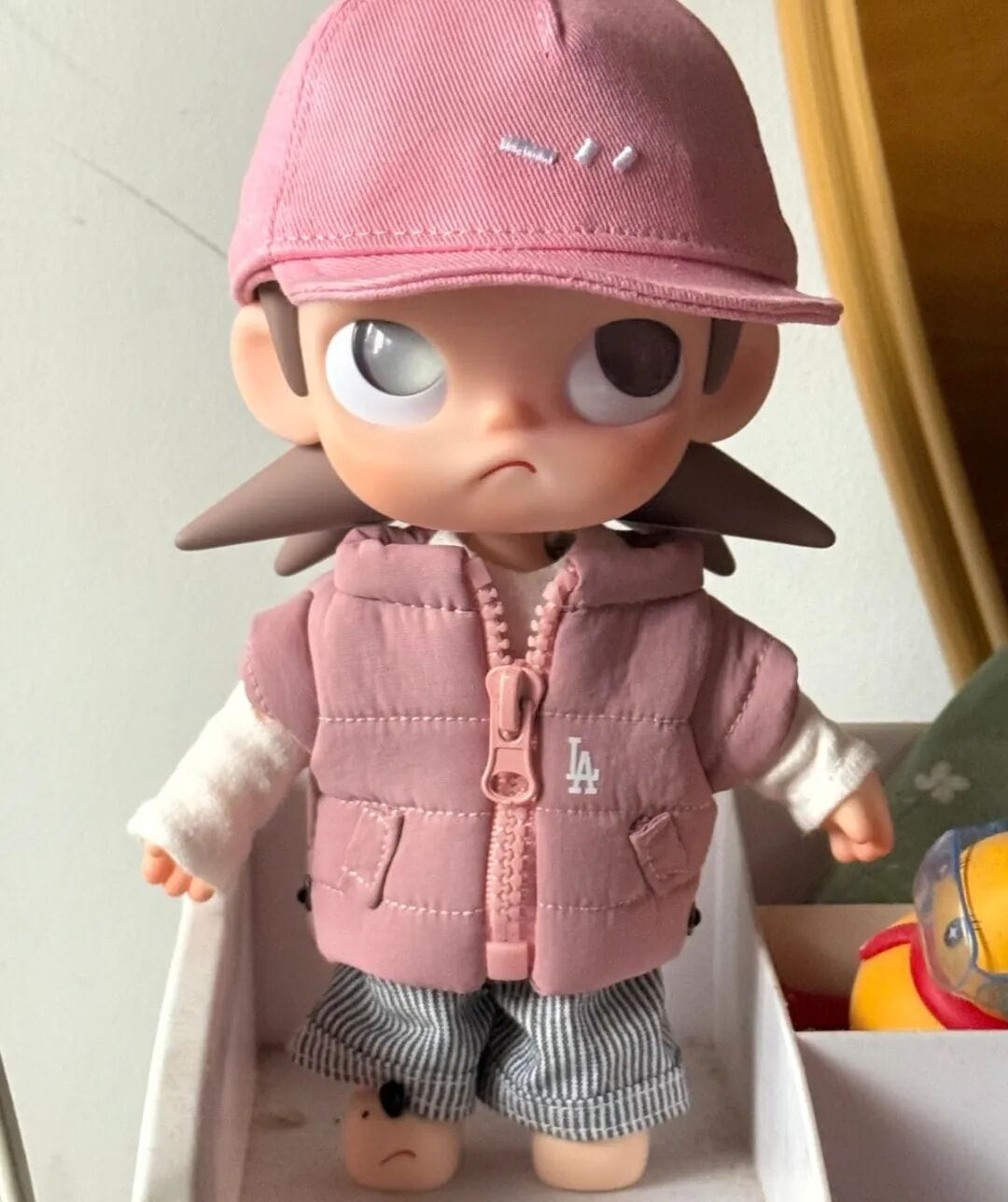
Major global fashion retailers are aggressively capitalizing on China's surging art toy market by launching miniature apparel for collectible dolls. This strategy leverages the lucrative "emotional economy" to drive sales of core products, engaging a younger demographic willing to pay premiums for accessories that personalize their collectibles.
Fast Retailing Co., Ltd.’s Uniqlo recently sparked a consumer frenzy with the release of its "Nuan Xiao Mian" miniature vest. The campaign, which required customers to purchase specific children's apparel to acquire the collectible item, led to stock shortages and a vibrant secondary market. Consumers reportedly purchased children's clothing solely to obtain the accessory, with the free miniature items subsequently trading on resale platforms at prices rivaling the primary garments.
Competitors including FILA, MLB, and The North Face have adopted similar tactics, releasing branded accessories for popular figures such as those from Pop Mart. The trend highlights a strategic shift where accessories for collectibles are becoming critical drivers for primary apparel sales, with brands using these low-cost items to boost transaction volumes and social media engagement.
The phenomenon reflects the explosive growth of China's "doll economy," with e-commerce data showing sales in the sector surged over 117% in 2024. Investors and analysts are closely watching how legacy brands integrate with the toy sector to capture younger demographics, as the market for "emotional value" consumption continues to expand rapidly.
The "Bundle Strategy" and Secondary Market Arbitrage
The viral success of Uniqlo’s "Nuan Xiao Mian" illustrates the effectiveness of the bundle strategy. To obtain the miniature vest, consumers were required to purchase a PUFFTECH series item, with the lowest entry price being a child’s vest at RMB 99 (US$13.7). This led to a "rationing" phenomenon where adults purchased children's sizes or arbitrary items simply to secure the gift.
A robust secondary market has emerged alongside these promotions. On the resale platform Xianyu, the Uniqlo doll vest trades for approximately RMB 70 (US$9.7). For savvy consumers, this arbitrage effectively reduces the cost of the actual children’s garment to under RMB 30 (US$4.1). Similarly, limited edition doll clothing sets from brands like MLB are reselling for over RMB 200 (US$27.7), with some rare items reaching RMB 1,000 (US$138), creating a perception among consumers that the collectibles are "better dressed" than their owners.
Explosive Market Growth and the Emotional Economy
The corporate pivot to miniature apparel is underpinned by significant market expansion. According to Frost & Sullivan data, the market size of China's pop toy sector grew from RMB 6.3 billion (US$873 million) in 2015 to RMB 72.7 billion (US$10 billion) in 2024, representing a compound annual growth rate of 34%. Projections indicate that by 2029, China will account for 27% of the global market.
This growth is driven by the "emotional economy," where young consumers prioritize spending on products that offer comfort and emotional value. iMedia Research estimates that China's emotional economy market reached RMB 2.3 trillion (US$318 billion) in 2024 and is projected to exceed RMB 4.5 trillion (US$624 billion) by 2029. The doll clothing segment serves as a low-cost entry point for this spending, satisfying demands for personalization and stress relief.
Strategic Brand Integration and Anti-Piracy Measures
For apparel brands, entering the doll clothing market serves three primary strategic functions: sales promotion, brand visibility, and copyright protection.
- Sales Promotion: Online engagement translates directly to revenue. Uniqlo’s specific children's vest became a top seller with over 50,000 units sold on its flagship store, driven largely by the doll clothing promotion.
- Marketing: Brands are using these miniatures for visual marketing. Nike released matching doll down jackets alongside celebrity endorsements, while Bosideng utilized figures like Labubu to showcase new product lines.
- Combatting Piracy: The high demand has spawned a grey market of unauthorized replicas mimicking brands like Lululemon, Adidas, and Louis Vuitton. By officially entering the space, brands aim to capture revenue currently flowing to unauthorized manufacturers.
Supply Chain Strain and Production Challenges
The surge in demand has placed significant pressure on supply chains. E-commerce platforms reported that in May 2025 alone, monthly sales of doll clothing exceeded RMB 10 million (US$1.38 million). Factories have responded by extending shifts until 3:00 AM and doubling their workforce to meet production quotas.
However, the rapid expansion has led to quality control issues. Consumers have reported sizing discrepancies, such as The North Face miniatures being too short for certain dolls, and general finish defects requiring customers to perform their own repairs. As the sector matures, maintaining quality standards will be essential for brands aiming to sustain consumer trust in this high-growth niche.