
Hifiman Wins Approval for Beijing IPO With Margins Rivaling Hermès
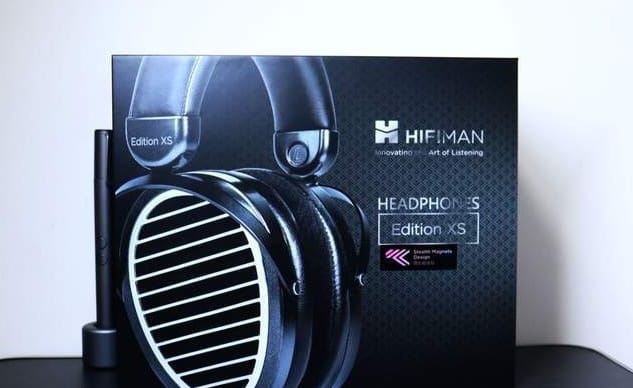
Hifiman, a Chinese manufacturer of high-end audio equipment, has successfully passed its hearing to list on the Beijing Stock Exchange, positioning itself as a specialized player in a consumer electronics market otherwise dominated by mass-market giants. Known for its premium pricing strategies, the company is set to become the first dedicated high-end headphone stock on the venue.
The company plans to raise RMB 430 million (US$59 million) through the initial public offering to expand manufacturing capacity. The approval marks a significant milestone for the domestic audio sector, validating a business model that prioritizes high-value export markets over volume-driven domestic competition.
Hifiman has drawn significant investor attention for a profitability profile that defies hardware industry trends. While aggressive price wars and rising component costs have compressed margins for broader consumer electronics firms, Hifiman reported a gross margin of 70.1% in 2024. This figure significantly outperforms technology peers and rivals the 70.3% margin of luxury house Hermès International, reflecting its command over pricing in the audiophile niche.
However, the path to listing is accompanied by market scrutiny regarding the company’s capital allocation and operating efficiency. While the firm pitches a narrative of high-tech proprietary engineering, its prospectus reveals that research spending ratios trail industry averages, and the decision to distribute cash dividends prior to fundraising has raised questions about capital management among market observers.
A Deviation from Industry Norms
In a sector characterized by commoditization, Hifiman’s financial metrics present a stark anomaly. The global headphone industry typically operates with gross margins between 33% and 39%. Domestic mass-market products, particularly those under RMB 200, face intense fierce competition and declining profitability. Even major technology players like Xiaomi Corp., which benefits from broad ecosystem integration, reported gross margins of approximately 22.5% for its comparable IoT and lifestyle product segment in the second quarter of 2025.
In contrast, Hifiman has maintained a trajectory of expanding profitability. From 2022 through the first three quarters of 2025, the company’s gross margin climbed from 65.06% to roughly 66.8%, peaking at 70.1% in 2024. Although its revenue scale remains modest compared to global conglomerates—recording RMB 227 million in 2024 with a net profit of RMB 66.52 million—its earning power per unit is exceptionally high.
The company’s product portfolio ranges from portable players to electrostatic headphone systems, with average selling prices exceeding RMB 3,000. Its flagship "Shangri-La" electrostatic system is priced at RMB 300,000, helping the brand cultivate an image often referred to in local media as the "Hermès of headphones."
Targeting the Western Audiophile
Hifiman’s high margins are underpinned by a "reverse innovation" strategy spearheaded by founder Bian Fang. A chemistry Ph.D. who established the company in the United States in 2005, Bian initially targeted Western markets to bypass the skepticism Chinese consumers historically held toward domestic premium brands. The company’s strategy was to establish a reputation in North America, Europe, Japan, and South Korea before aggressively penetrating the Chinese market.
The company claims its competitive edge lies in proprietary acoustic technologies, specifically its "nanotech diaphragm" development. This technology, designed to achieve high-fidelity sound using micrometer-level thin structures, allowed Hifiman to challenge established Western and Japanese audio brands. The firm largely eschewed early-stage external venture capital, with Bian advocating for organic growth driven by retained earnings rather than external financing circles.
Governance and Investment Scrutiny
Despite the strong margin performance, the company’s IPO prospectus highlights discrepancies between its premium technological positioning and its expenditure patterns. For the reporting period, Hifiman’s research and development (R&D) expense ratio ranged between 4.91% and 5.66%, falling below the industry average of 5.84% to 7%. This relatively low investment in innovation contrasts with the capital-intensive nature of maintaining sophisticated audio engineering capabilities.
Furthermore, the timing of capital outflows has drawn attention. While the primary purpose of the IPO is to raise funds for capacity expansion, Hifiman executed a dividend payout of RMB 30 million shortly before the listing application.
Given that Bian Fang directly holds 58.03% of the equity and controls 85.03% of voting rights through concerted action agreements, he is the primary beneficiary of this distribution. The juxtaposition of cashing out profits while simultaneously seeking public funds for expansion adds a layer of complexity to the investment thesis as the company prepares for its market debut.