
Insta360 Deploys Dual Native ISO Sensors in New 4K AI Webcam Push Amid Shrinking Full-Spectrum Margins
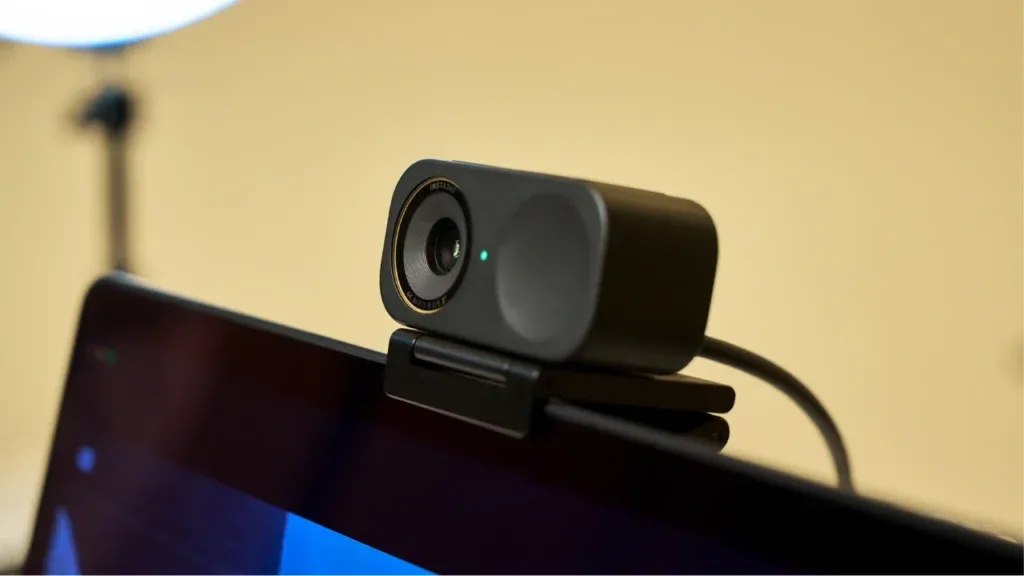
Arashi Vision's launch of two AI-powered 4K webcam models signals a calculated retreat from intensifying competition in the action camera segment, where DJI's market penetration has compressed profitability despite revenue expansion. The Link 2 Pro series, officially released January 13 and priced at RMB 1,758 and RMB 1,398, represents the Shenzhen-based imaging hardware maker's pivot toward enterprise-grade video conferencing tools—a segment where incumbent players lack its computational photography expertise.
Sensor Physics Drive Differentiation in Commoditizing Webcam Market
The Link 2 Pro deploys a 1/1.3-inch sensor with 2.4μm effective pixel size, delivering 223% greater light-gathering area than its predecessor Link 2. This hardware upgrade centers on dual native ISO circuitry, a feature typically reserved for cinema cameras that reduces noise across varying light conditions without computational post-processing. The 84-degree maximum field of view and optimized HDR pipeline target professional content creators and corporate users running Tencent Meeting, DingTalk, Feishu, and Western platforms like Zoom.
Arashi Vision's technical specifications reveal an attempt to compete on image quality rather than pricing—a departure from the race-to-bottom dynamics plaguing consumer action cameras. The company maintains compatibility with live-streaming platforms including Douyin, Taobao, and Bilibili, positioning the product at the intersection of professional videoconferencing and China's creator economy. This dual-market approach mirrors GoPro's failed enterprise experiments in 2017-2019, though Arashi Vision benefits from China's higher integration between e-commerce and live content.
Category Expansion Masks Core Business Pressure from DJI Encroachment
Market share data exposes conflicting narratives about Arashi Vision's competitive standing. Chanmama's Q3 2025 figures place the company at 49% global panoramic camera share versus DJI's 43%, while Frost & Sullivan reports 75% versus 17.1%. This 26-percentage-point discrepancy likely stems from differing definitions of "panoramic camera"—whether including DJI's Osmo 360 launched in July 2025 or restricting analysis to 360-degree spherical capture devices.
The company's Q1-Q3 2025 financials reveal the cost of defending market position: revenue surged 67% year-over-year to RMB 6.61 billion, yet net profit declined 6% to RMB 792 million. Management attributed margin compression to custom chip development and "strategic project investments"—likely referencing the wearable jewelry camera and next-generation action cameras disclosed in recent institutional investor meetings. Arashi Vision added "jewelry retail" to its business scope in December 2025, suggesting potential integration of imaging modules into fashion accessories.
B2B Diversification Competes Against Platform Ecosystem Lock-In
The Link 2 Pro series' enterprise software compatibility addresses a structural advantage held by established videoconferencing providers. Logitech's dominance in corporate webcams relies partly on certification partnerships with Microsoft and Zoom, creating switching costs for IT departments. Arashi Vision circumvents this by offering superior sensor physics at price points 30-40% below Logitech's Brio 500 series, targeting cost-conscious enterprises in China's second- and third-tier cities where platform lock-in remains weaker.
However, the company's "pan-demographic" expansion strategy—extending beyond core action sports users into daily lifestyle recording—risks brand dilution. OPPO and vivo's reported development of handheld gimbal cameras, alongside startups like Photon Transition entering AI-powered imaging hardware, fragments an already crowded market. Cinda Securities' recent research emphasizes category expansion as Arashi Vision's "optimal solution to price wars," projecting 2025 revenue of RMB 8.89 billion (up 59% year-over-year) but only 13% net profit growth to RMB 1.13 billion.
The Link 2 Pro models debuted at CES 2026 alongside five other product lines, underscoring Arashi Vision's bet on portfolio breadth over category leadership. Whether dual native ISO sensors provide sufficient moat in the commoditizing webcam sector depends on corporate buyers valuing image fidelity over the procurement convenience offered by incumbent suppliers—a dynamic that will clarify as China's enterprise digitization spending faces macroeconomic headwinds in 2026.
By ChinaBiz Insider Analysis Desk