
Insta360 Targets DJI with Modular Pocket Camera Launch Planned for First Half of 2026
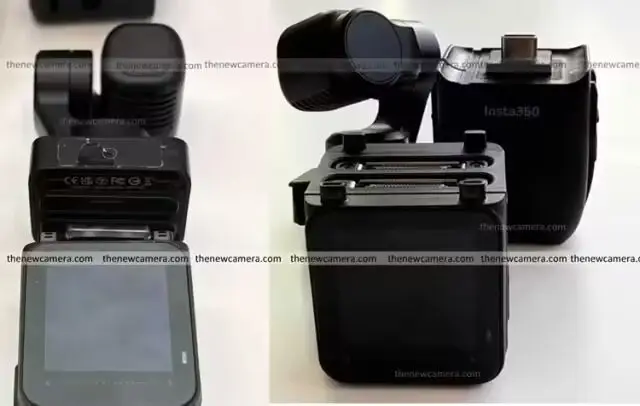
Insta360 is preparing to launch a new handheld gimbal camera in the first half of 2026, marking a direct challenge to DJI's dominance in the pocket camera segment with industry-first features including interchangeable lens modules and telephoto capabilities.
Multiple sources confirmed to Interface News on February 6 that the company's Pocket-series device will debut before mid-year and offer multiple color options. The timing positions it as a direct competitor to DJI's anticipated Osmo Pocket 4 series, which is also slated for release before June 2026.
The device represents a significant departure from conventional handheld gimbal camera designs, with leaked prototype images showing a modular architecture that allows users to swap lens modules, display screens, and battery grips independently. Industry observers suggest the launch could intensify competition in the premium compact camera market, particularly among content creators seeking portable solutions with professional-grade capabilities.
CEO Liu Jingkang fueled speculation about an earlier March release when he shared a social media post last month questioning whether a leaked camera prototype belonged to DJI, implying it could be Insta360's own unreleased product.
Modular Design Breaks Industry Conventions
Prototype images published by technology media outlet thenewcamera on January 20 reveal Insta360's unconventional approach to pocket camera design. The modular system comprises three independently detachable components: lens modules, display units, and battery handles, enabling users to reconfigure the device based on shooting requirements.
The company is developing two distinct lens modules according to the leaked prototypes. One features a compact design with a Leica Super-Elmar f/2.8 21mm lens without mechanical stabilization, optimized for portability. The other incorporates a three-axis mechanical gimbal system targeting professional content creation scenarios. This "building block" approach contrasts sharply with DJI's integrated one-piece Pocket designs.
Device registration records from ADAPCC show Insta360 filed certifications for a standard version in November 2025 and a professional version in December 2025, confirming a dual-product strategy that mirrors DJI's standard and Pro model segmentation.
Industry's First Telephoto-Equipped Gimbal Camera
The new Pocket camera will become the first handheld gimbal device to incorporate a telephoto lens through its dual-camera system. This configuration addresses a longstanding limitation in the category by enabling distant subject capture while maintaining three-axis stabilization.
The telephoto capability targets specific use cases including concert videography, landscape photography at extended distances, and sports event coverage—scenarios where existing pocket cameras struggle with image quality degradation when digitally zoomed. The dual-lens setup aims to eliminate the trade-off between magnification and stabilization that currently forces users to choose between reach and smooth footage.
Leaked specifications suggest the device may inherit capabilities from Insta360's X5 model, potentially including 8K panoramic recording, 4K 60fps video capture, AI-powered subject tracking, and enhanced low-light performance modes.
Head-to-Head Competition With DJI Pocket 4
The launch timing sets up a direct confrontation with DJI's Pocket 4 lineup, which is also expected to debut before June 2026. While both companies are pursuing dual-lens configurations, their strategic approaches differ significantly.
DJI's Pocket 4 Pro is rumored to focus on sensor upgrades, potentially incorporating the 1/1.1-inch sensor from its Osmo Action 6 camera along with variable aperture technology. This represents an evolution of DJI's established formula emphasizing image quality and stabilization refinement.
Insta360's strategy prioritizes ecosystem flexibility and feature differentiation through its modular platform and telephoto capabilities. The contrasting approaches present distinct value propositions: Insta360 targets users prioritizing versatility and scene adaptability, while DJI appeals to those seeking refined performance within a proven ecosystem.
The simultaneous release window may trigger pricing competition between the two manufacturers, potentially benefiting budget-conscious content creators. Both companies' standard and professional model tiers suggest pricing strategies designed to capture different market segments while maintaining direct competitive positioning.