
JPMorgan Eyes Imminent Hang Seng Inclusion For Pop Mart As Overseas Sales Skyrocket 440%
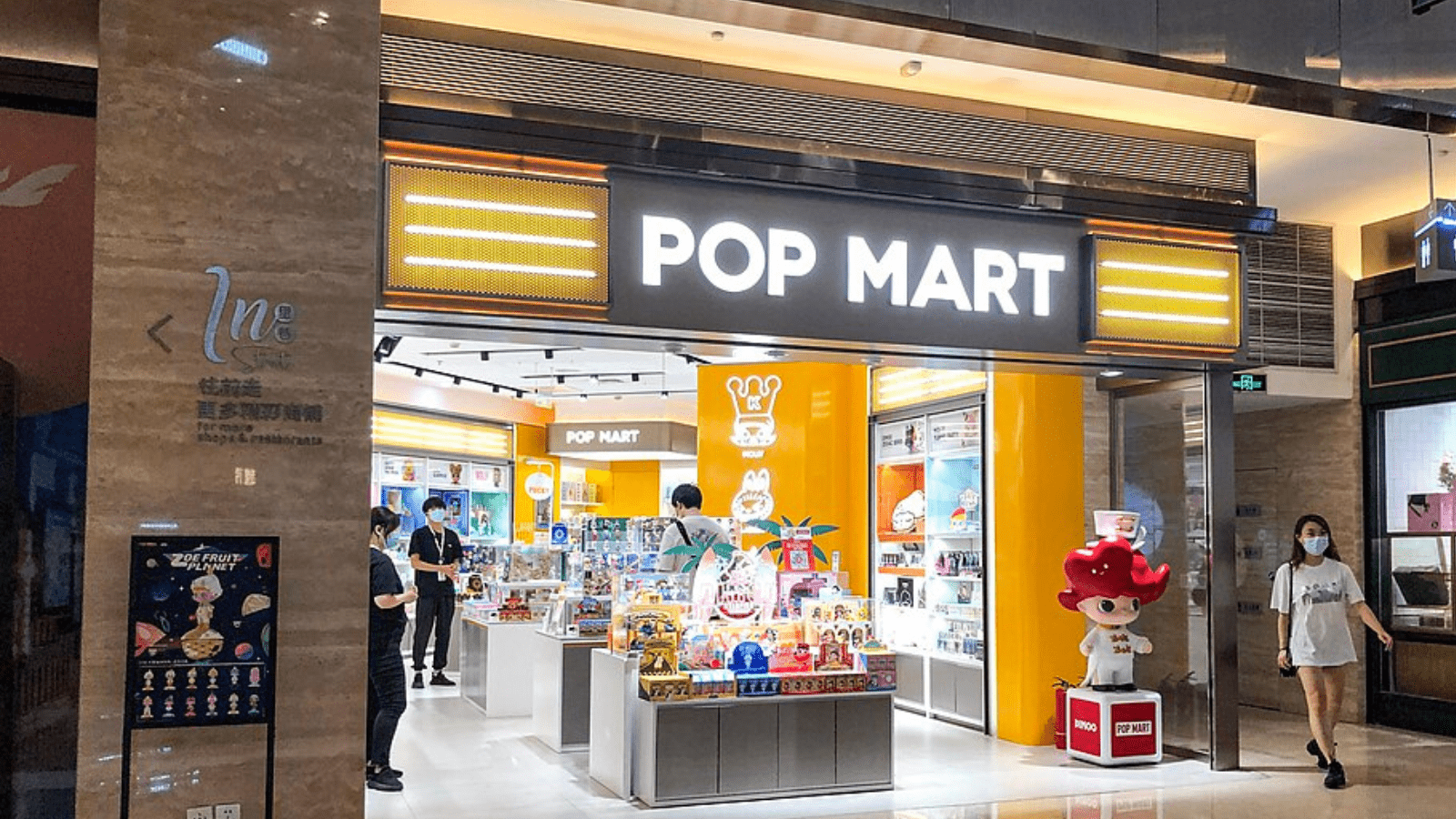
J.P. Morgan reiterated its bullish stance on Pop Mart International Group Limited following the art toy giant’s explosive first-half 2025 earnings report. The note, published August 20, 2025, digests a staggering 367% jump in adjusted profit, but more importantly, it zooms in on the underlying drivers and a key upcoming catalyst that could propel the stock into a new league: a potential inclusion in the Hang Seng Index.
While the headline numbers beat expectations, J.P. Morgan’s analysis provides the critical context for professional investors, digging beneath the surface of the print. The bank remains vocally positive, naming Pop Mart (9992.HK) its "top pick in the China consumer universe" and maintain its price target at HK$340.
A Global Sales Onslaught
The core of J.P. Morgan’s optimism stems from Pop Mart’s stunning international performance and the phenomenal success of its key intellectual property (IP). The firm was particularly impressed by the numbers that showcase this momentum.
"Pop Mart’s 1H25 adj. PAT rose 367% yoy to Rmb4.66bn (a 4% beat vs the profit alert) on sales up 204% to Rmb13.9bn (in-line)," the report begins. "We are impressed by its strong Labubu sales (up 668% yoy) and overseas sales (up 440% yoy)."
This isn't just growth; it's a fundamental shift in the company's business profile. The bank estimates that overseas markets now represent a commanding share of the business, a trend that validates the company's global ambitions. According to J.P. Morgan, "Overseas markets (including Hong Kong, Macau, Taiwan) contributed c50% of group sales (JPMe) in 1H25, up from 44% in 2H24."
Question Marks and Accounting Quirks
Despite the overwhelming positives, the report doesn't shy away from pointing out areas of concern and complexity that could give investors pause. J.P. Morgan notes that the performance of the Crybaby IP, though up 248% year-over-year, was "behind our expectation," ranking fourth behind Labubu, Molly, and a surprisingly strong Skullpanda.
More critically for analysts, the firm points out a change in financial reporting that obscures a direct, clean comparison of regional performance.
"In the 1H25 print, Pop Mart changed regional definition without restating historical numbers," J.P. Morgan cautions. "In particular, Hong Kong, Macau and Taiwan were taken out of 'overseas' and are now counted in the 'China' segment... This creates difficulty forming like-for-like comparisons."
This lack of transparency, combined with a slight miss on overseas store openings (42 vs. an expected 51), is why the bank anticipates some initial market turbulence. "This could lead to 2-5% share price weakness when the market opens, in our view. We believe management’s tone, explanation and guidance on the earnings call... will be critical for investor sentiment."
The Major Catalyst: Hang Seng Index Inclusion
The most significant forward-looking catalyst highlighted by J.P. Morgan is Pop Mart's potential addition to Hong Kong's benchmark index. An announcement is imminent, and the implications for fund flows are substantial. The bank breaks it down as one of seven key catalysts to watch:
"Pop Mart has a chance to be added into Hang Seng Index (announcement on Aug 22 evening, rebalancing on Sept 8; if added to HSI, increased demand is around 420mn,12mn shares, 1.2xADV; if addedtoHSCEI, around140mn, 4mn shares, 0.4x ADV)."
This quantitative analysis provides a clear picture of the passive investment demand that could flood into the stock upon inclusion, a technical factor that often drives significant price appreciation independent of fundamentals.
Ultimately, J.P. Morgan's investment thesis remains firmly intact, anchored by what it sees as a best-in-class operator successfully executing a global strategy. The bank forecasts sales and earnings to grow at 52% and 66% CAGRs, respectively, from 2024-2027, driven by "strong IP, store openings, improving productivity, category expansion and margin expansion." While short-term volatility is possible, the bigger picture—and the looming index inclusion—presents a compelling case for investors.