
Pop Mart Defies "One-Hit Wonder" Fears with Buyback and Multi-IP Surge
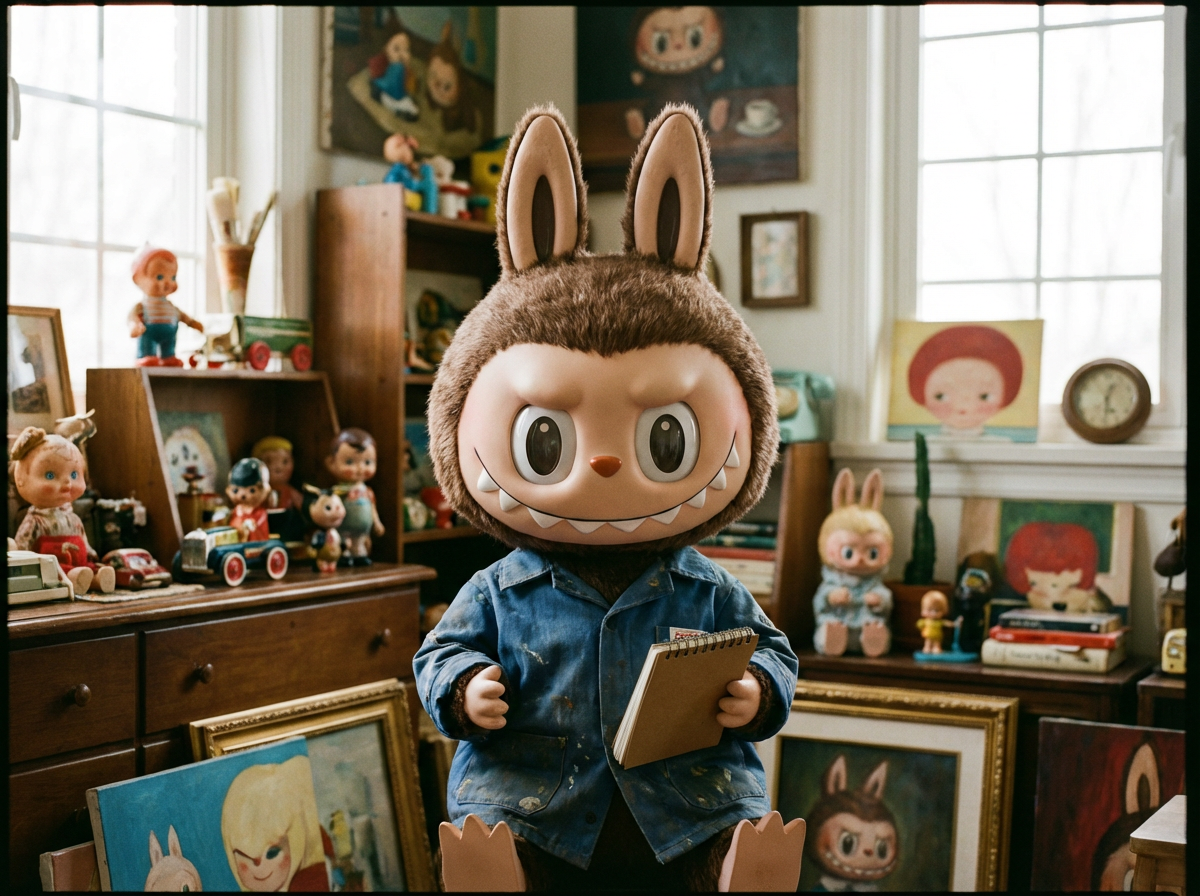
Pop Mart is staging a masterclass in defying gravity. On January 20, 2026, Huatai Research released a bullish report maintaining a "Buy" rating with a target price of HK410. This comes as the stock surged 2.51 million (US$32.3 million) share repurchase—its first since early 2024. While the market frets over cooling resale premiums and high-frequency data noise, the real story is hidden in plain sight: a robust IP ecosystem that is successfully pivoting from a single-hit wonder to a diversified content powerhouse.
For professional investors, the signal is clear. The skepticism surrounding the sustainability of the "Labubu" craze misses the forest for the trees. Here is why the bearish narrative on Pop Mart is fundamentally flawed.
The “Labubu Peak” Fallacy
The primary bear case rests on a simple, albeit superficial, observation: resale prices for Labubu, the jagged-toothed monster that conquered 2025, are stabilizing. High-frequency trackers suggest a dip in hype. However, Huatai Research argues this is a feature, not a bug, of a maturing supply chain.
As production capacity for plush toys skyrocketed from 300,000 units per month in early 2025 to over 30 million by August, the scarcity premium naturally evaporated. But let’s be clear: Secondary market premiums are a vanity metric; sales volume is sanity.
"We believe Q4 overseas performance will be better than the market's pessimistic expectations," the report notes. While TikTok sales in North America dipped ~10% quarter-over-quarter, this was largely due to inventory shortages in physical stores during Q3. With supply chains now unclogged, Q4 offline revenue is expected to rebound significantly.
The "scarcity" model is evolving into an "availability" model. Pop Mart is intentionally suppressing the speculative bubble in the secondary market to democratize access—a strategy they call "Art Equal Rights." By ensuring that fans can actually buy the product at retail price rather than paying scalpers, they are trading short-term hype for long-term retention. A stabilized secondary market isn't a sign of dying demand; it's a sign of a healthy, functioning retail business.
Beyond the One-Hit Wonder
The market’s obsession with Labubu ignores the rapid ascent of Pop Mart's bench strength. The data shows a decisive shift away from single-IP dependency.
In domestic markets, the sales mix is becoming increasingly balanced. On Douyin (TikTok’s Chinese sister app), Labubu’s share dropped to approximately 30% in Q4, while newer IPs like Crybaby and The Monsters are surging. In Southeast Asia—specifically Thailand and Indonesia—Labubu’s dominance in top-selling charts has receded to under 40%, while new challengers have grabbed a combined share exceeding 50%.
This is the critical transition point for any content company. Just as Sanrio proved that Hello Kitty could share the stage with Kuromi and Cinnamoroll, Pop Mart is demonstrating it is a platform, not just a product. The successful localization of IPs like Crybaby in Thailand suggests a repeatable playbook for the West.
The Disneyfication of Designer Toys
Perhaps the most undervalued aspect of Pop Mart’s valuation is its aggressive pivot into content. The company is no longer just selling plastic and plush; it is selling narratives.
Reports confirm that Sony has secured film adaptation rights for Labubu, tapping Paul King (director of Paddington) to helm the project. Simultaneously, an animated series, Labubu & Friends, is in production. This is the "flywheel effect" in action.
"Reference Sanrio's experience since 2020... content layout acts as a new weapon for breaking circles," Huatai analysts write. "It strengthens the deep emotional connection of IP, adding wings to the already powerful fan operation ecosystem."
With the expansion of its Beijing theme park (Phase 2 is expected to double the area) and a pipeline of animated content, Pop Mart is building an immersive ecosystem that extends the lifecycle of its characters far beyond the shelf.
The Verdict
The market is currently mispricing Pop Mart by fixating on backward-looking indicators like resale premiums. The recent HK251 million (US32.3 million) buyback at an average price of HK$177.7-181.2 is a loud vote of confidence from management.
Trading at adjusted P/E levels that are demanding but arguably justified by growth, Pop Mart is navigating the treacherous waters of global expansion with surprising agility. For investors willing to look past the short-term noise of weekly tracker data, the structural growth story—driven by IP diversification and content integration—remains firmly intact.