
SCMP: Jiangnan Shipyard Reveals Nuclear-Powered Hub for Zero-Carbon Shipping
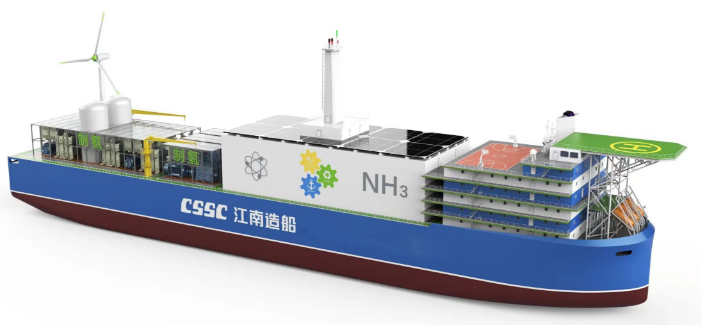
The South China Morning Post reported on June 5 that Jiangnan Shipyard, a subsidiary of China State Shipbuilding Corporation (CSSC), has proposed a nuclear-powered floating island that could function as a next-generation container transshipment hub.
The concept, unveiled at the Posidonia International Shipping Exhibition in Greece, combines molten-salt nuclear reactors, green fuel production, and offshore logistics infrastructure in what the company describes as a potential solution to the shipping industry's decarbonization challenge.
The proposed floating complex would be powered by molten salt reactors — an advanced nuclear technology that uses liquefied salt as both fuel and coolant, eliminating the need for water-based cooling systems and enabling large-scale thermal energy storage. According to presentation materials shared by Jiangnan Shipyard on social media, the facility would incorporate a dedicated nuclear power and green fuel production platform, described internally as the "zero-carbon heart of the hub."
The concept envisions an integrated marine transport ecosystem combining shipping, port operations, energy generation, and transshipment functions — all within a single offshore structure. The company framed the project as a "groundbreaking solution" for the global shipping industry's decarbonization challenge.
The floating island proposal is not Jiangnan Shipyard's first foray into nuclear maritime technology. The shipbuilder previously disclosed plans for a nuclear-powered cargo vessel capable of carrying 25,000 shipping containers, driven by a thorium-based molten salt reactor — a design that itself represented a significant departure from conventional marine propulsion.
The latest concept takes that ambition further by moving beyond individual vessels toward fixed offshore infrastructure, effectively proposing a stationary nuclear node within global trade routes. Such a platform, if realized, could theoretically allow vessels to refuel with green energy and transfer cargo at sea, reducing dependence on land-based port infrastructure.
No timeline or cost estimate for the project was disclosed in the available materials. The proposal remains at the conceptual stage, and no regulatory or international approval processes have been publicly initiated.
The unveiling nonetheless reflects a broader strategic intent within China's state shipbuilding sector to position itself at the forefront of zero-emission maritime solutions. As international shipping regulators tighten carbon emissions standards, concepts combining nuclear energy with offshore logistics infrastructure could attract growing attention from industry stakeholders and policymakers worldwide.