
UBS Warns of China Auto Slowdown as Tax Breaks and Subsidies Set to Expire
UBS Global Research dropped a sobering forecast for China's automotive sector this week, projecting passenger vehicle wholesale growth will decelerate sharply from 11% in 2025 to just 3% in 2026 as the government's stimulus chickens come home to roost. The culprit? A scheduled 5% purchase tax on new energy vehicles (NEVs) and an expected reduction in the scrappage subsidy bonanza that has been artificially inflating sales.
In a research note published November 17, analysts Paul Gong and team laid out their base case scenario: the NEV purchase tax exemption—in place since 2014—will sunset as planned, while the current RMB 20,000 (US2,760)/RMB 15,000 (US2,070) scrappage subsidy for EVs and internal combustion engine vehicles will be pared back to RMB 15,000/RMB 10,000 in 2026. The result? Domestic passenger vehicle sales growth could flip from 8% this year to -2% next year, with NEV wholesale growth decelerating from 28% to 15%.
Policy Headwinds Building
The writing has been on the wall for months. In October, Beijing published tightened technical requirements for NEVs to qualify for the reduced 5% purchase tax in 2026-27, raising the pure electric range requirement for plug-in hybrids from 43 kilometers to 100 kilometers and slashing energy consumption limits by 13-25% for battery electric vehicles. The message is clear: the party's ending.
"We believe latest tightening of technical standard requirements for purchase tax exemptions supported our expectation that the 5% purchase tax will be implemented in 2026 as planned," the UBS team wrote, noting the move follows similar playbooks from past stimulus withdrawals.
The bank's base case assumes RMB 5,000 will be shaved off current subsidy levels, though it sketched out four scenarios ranging from full continuation (bull case) to complete cancellation (worst case). The rationale for scaling back is threefold: improved macro conditions compared to mid-2024, with residential property sales declines narrowing; stimulus-driven auto capex growth that runs counter to Beijing's anti-"involution" campaign; and the staggering RMB 700 billion (US$96.5 billion) cost of the scrappage program alone, funded through long-term government borrowing.
Déjà Vu All Over Again
UBS pointed to the 2016-17 purchase tax cut on small-engine vehicles as an instructive precedent. That stimulus disproportionately boosted entry-level models, and when it expired, mass-market brands took it on the chin while premium marques held up. This time should be no different, the analysts argued, with low-end vehicles facing outsized pressure and premium brands proving more resilient as affluent buyers shrug off subsidy reductions.
"Low-end vehicles, which disproportionately benefited from stimulus, should record more pressure and the overall market mix could improve," the report stated.
The front-loading effect is already visible. UBS expects car buyers to rush purchases before year-end to capture expiring subsidies, creating a sugar high that will make 2026 comparisons even tougher. Including exports—which remain a bright spot—the bank forecasts passenger vehicle wholesale growth of 3% next year, with NEV penetration improving 6 percentage points despite the tax reimposition.
Winners and Losers
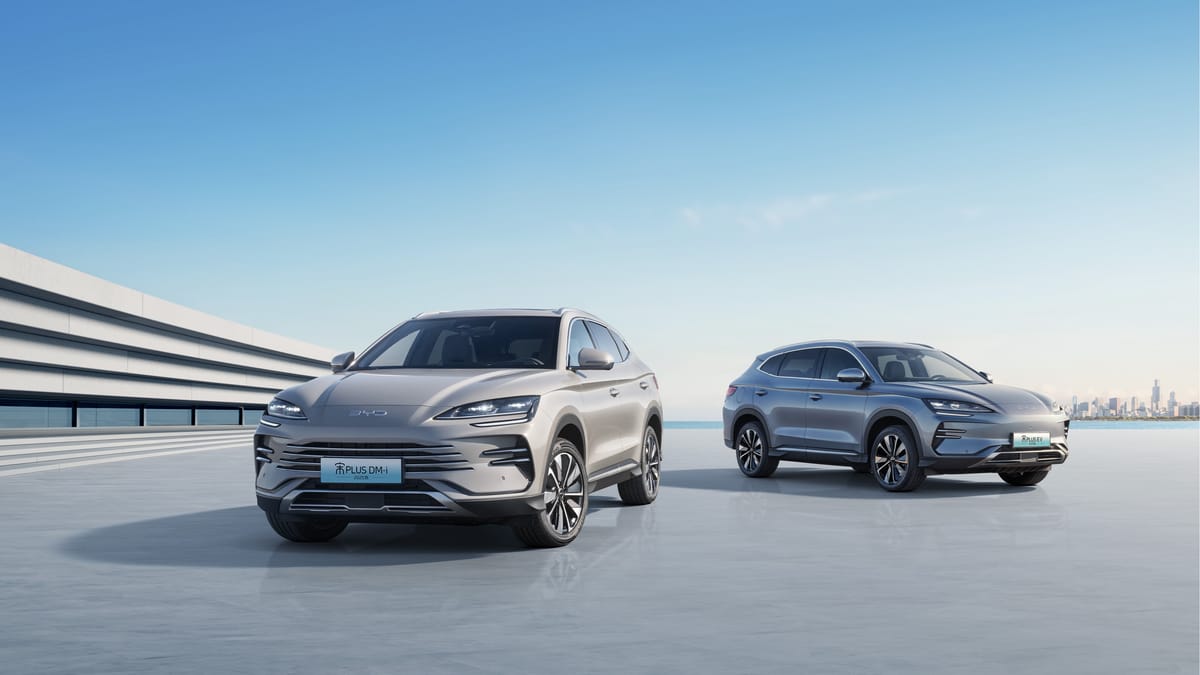
While UBS remains cautious on the sector pending policy clarification, it continues to favor BYD based on "fast overseas expansion and battery ESS opportunities," followed by Great Wall Motor on premiumization and export momentum. Both stocks carry Buy ratings.
The broader narrative remains intact: long-term structural opportunities in domestic market share gains, overseas growth, and premiumization are "solid", according to UBS. But the near-term? Buckle up for a bumpy ride as Beijing's training wheels come off and the industry confronts what growth actually looks like without RMB 700 billion in taxpayer support propping it up.
For an industry that's grown accustomed to double-digit expansion fueled by endless policy tailwinds, 2026 promises a bracing dose of reality. The only question is whether automakers have built enough operating leverage and export pipelines to weather the hangover—or if Beijing blinks and extends the party for one more round.