
WeRide CEO Prioritizes Profitability Over Fleet Scale, See Breakeven on Horizon
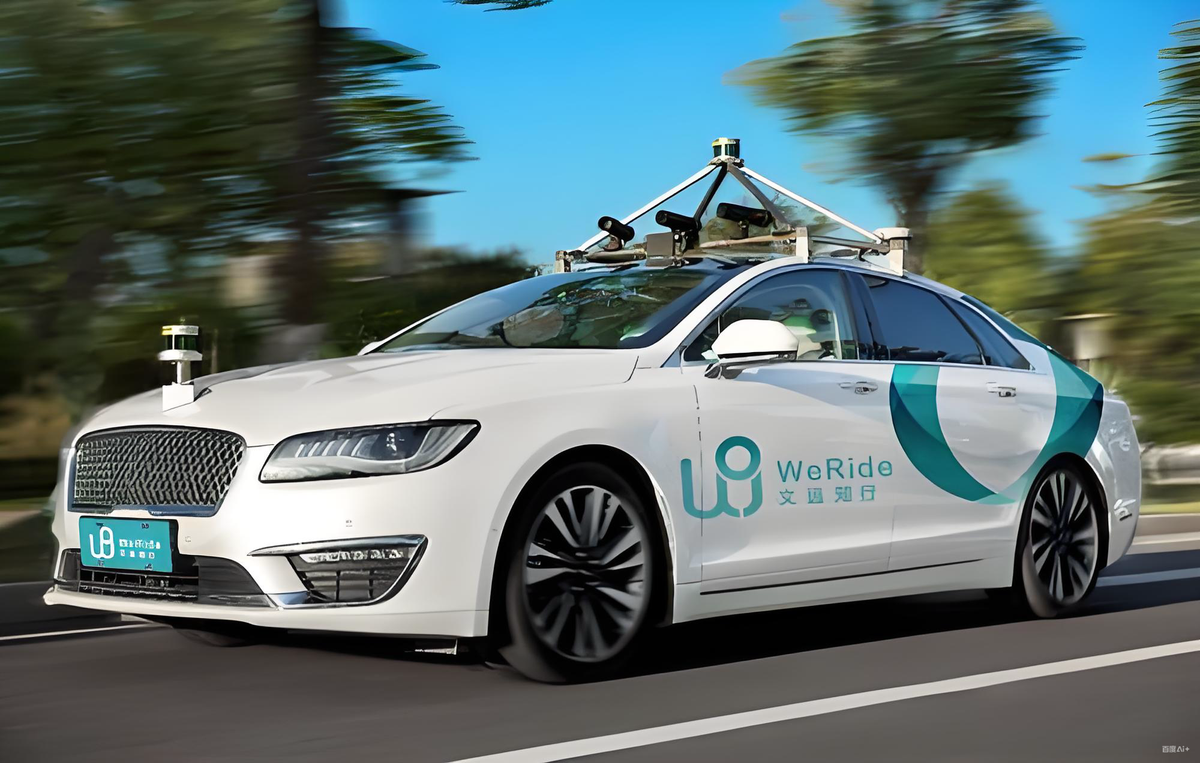
Han Xu, founder and CEO of WeRide, stated that the autonomous driving technology company is approaching its break-even point, emphasizing a strategy focused on sustainable business metrics rather than aggressive fleet expansion.
In a recent interview with Nikkei Asia, Han expressed optimism regarding international markets outside the United States. The company is targeting growth in the Middle East, Europe, and developed Asian economies, including Singapore, Japan, and South Korea. WeRide has already secured licenses in eight countries, although operations in some regions are currently limited to autonomous bus services.
Addressing comparisons with competitors, Han downplayed the importance of immediate fleet size. As of late October 2025, WeRide operated approximately 750 robotaxis. This figure trails domestic rival Pony.ai, which has deployed 961 vehicles with plans to exceed 3,000 by next year. Similarly, the Apollo Go unit of Baidu, operates a global fleet of over 1,000 unmanned vehicles, while U.S.-based Waymo leads globally with 2,500 active vehicles.
Han drew a parallel to the collapse of China’s once-dominant bike-sharing sector to validate his conservative approach. He noted that companies like ofo and Mobike formerly dominated the market through sheer volume but eventually failed. Han argued that deploying massive numbers of vehicles is secondary to maintaining a flawless safety record and achieving robust profitability. WeRide aims to expand its fleet to between 2,000 and 3,000 vehicles by the end of 2026.
On the financial front, Han indicated that the company’s revenue growth curve is steep, while expenditure growth remains relatively flat. He expressed confidence that these trajectories would intersect in the near future, marking the company's broader break-even point, though he declined to provide a specific timeline. He added that investors have not exerted pressure regarding the timing of profitability.
WeRide recently reported strong third-quarter results, with total revenue increasing 144% year-on-year. Revenue specifically from its robotaxi segment surged by 761%.