
Android Flagships Jump 30% in Price as Huawei and Apple Hold Steady
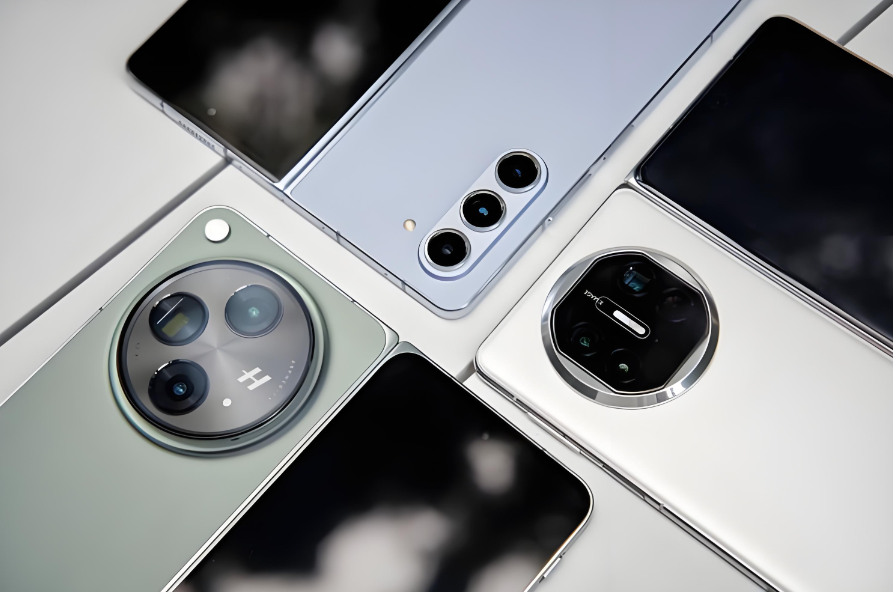
Smartphone manufacturers in China are implementing widespread price adjustments in March 2026 as memory chip procurement costs surge more than 80% year-over-year with no signs of abating, creating severe supply chain pressures that are rapidly transmitting to the consumer market.
According to analysis by iiMedia Research, March marks a watershed moment for smartphone pricing, with the market expected to see "moderate increases for existing models and substantial jumps for new launches." The firm projects an average market-wide price increase of approximately 18%, while flagship devices could see price hikes exceeding 30%. This dramatic pricing shift is forcing consumers to reconsider their purchasing decisions.
Yet amid the pricing turmoil gripping Android manufacturers, Huawei Technologies and Apple Inc. are demonstrating remarkable market resilience, emerging as the primary beneficiaries of this industry upheaval.
Huawei has reportedly instituted an internal ban on price increases, instead pursuing an aggressive "enhanced specifications, reduced prices" strategy. The company set the Mate 80 standard edition starting price at RMB 4,699 yuan (US$652), representing an 800-yuan reduction from its predecessor. This approach helped Huawei reclaim the number one position in China's smartphone market in January 2026 with an 18.6% market share.
Apple has similarly benefited from maintaining stable pricing. As competitor prices rise, the iPhone has unexpectedly gained a "value proposition" advantage in the Chinese market. Through the ninth week of 2026, the iPhone 17 series had already surpassed 23 million units in sales.
The escalating core component costs are accelerating the industry's Matthew effect. Huawei and Apple, leveraging superior supply chain bargaining power and pricing authority, are widening their gap with other brands. While smaller Android manufacturers struggle with the cost pressures from memory chips and other components, the two industry giants' ability to absorb or circumvent these costs demonstrates their structural advantages in an increasingly consolidated market.
The diverging fortunes highlight a fundamental shift in the smartphone industry's competitive landscape, where scale, vertical integration, and supply chain control are proving decisive factors in navigating component cost volatility.