
BYD Surges in UK Market with Low Pricing and Zero Financing
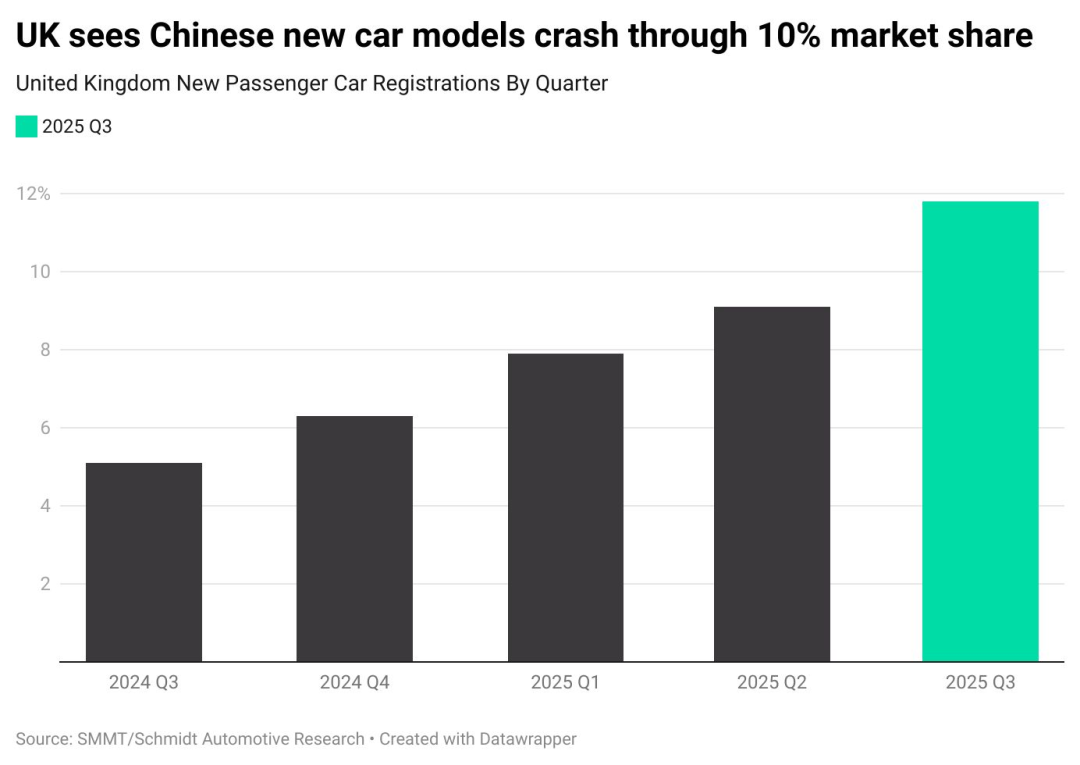
BYD has established the United Kingdom as its single largest overseas market, signaling a pivotal shift in the Chinese automaker’s global strategy as it navigates a saturated domestic landscape. While the company reported a slight 5.24% dip in recent monthly sales figures due to slowing growth in China, its international performance has accelerated dramatically.
The Shenzhen-based manufacturer recorded a staggering 880% sales increase in the UK in September, delivering 11,271 units and entering the country’s top ten monthly sales chart for the first time. Despite a subsequent moderation in volume, year-on-year growth rates have remained above 200%, allowing BYD to secure its annual target of 50,000 vehicles in the region.
This rapid expansion is driven by a combination of high-specification vehicle configurations and aggressive financial incentives that undercut legacy European and Korean competitors. By offering near-zero interest financing in a high-rate environment, BYD has successfully penetrated a market traditionally dominated by established western brands, attracting a younger demographic of buyers.
Value Proposition and Strategic Pricing
BYD’s pricing strategy in the UK has been calibrated to undercut key rivals while avoiding luxury vehicle surcharges. The popular Seal U DM-i model is priced between £33,000 and £40,000. This positioning strategically keeps the vehicle below the £40,000 threshold, exempting buyers from the UK’s "expensive car supplement" tax.
In contrast to competitors like Kia, whose Sportage model often requires expensive trim upgrades to match basic features, BYD has adopted a "fully loaded" standard specification. Entry-level models include features such as heated seats—a necessity in the UK climate—which remain optional or unavailable on lower-tier European and Korean alternatives.
This value-driven approach appeals to a pragmatic British consumer base. Peter Wells, director of the Centre for Automotive Industry Research at Cardiff University, noted that the deregulation of the UK auto industry in the 1980s reduced nationalistic consumption habits, leaving the market open to new entrants offering superior technology and value.
Disrupting the Market with Financial Incentives
The most significant driver of BYD's UK success is its aggressive maneuvering within the automotive finance sector. Approximately 80% to 90% of new cars in the UK are purchased via financing models such as Personal Contract Purchase (PCP) or Hire Purchase (HP). With prevailing interest rates hovering between 6% and 10% due to broader economic conditions, financing costs have become a major barrier for consumers.
BYD has countered this by offering financing packages with near-zero interest rates and negligible down payments. This effectively removes the cost-of-capital burden from the consumer, making brand-new electric vehicles affordable to a wider audience. This strategy has proven particularly effective in attracting buyers aged 17 to 34, a demographic prioritizing technology and monthly affordability over brand heritage.
Rapid Dealer Network Expansion
Supporting this sales growth is a rapidly expanding physical footprint. From just two stores in March 2023, BYD’s network grew to over 100 franchised outlets by late 2025. Data from Auto Trader suggests the total reach exceeds 150 locations when secondary distribution networks are included.
The company has expanded by partnering with major dealership groups like Arnold Clark and LSH Auto. Furthermore, BYD has aggressively recruited dealers dissatisfied with the pivoting strategies of legacy automakers. Executives from dealership groups, including Peoples Automotive, cited the withdrawal of popular models by manufacturers like Ford as a catalyst for switching to Chinese partners.
To build trust, BYD hosted delegations of British dealers at its headquarters in Shenzhen. Exposure to the company’s automated production lines and the scale of China’s NEV ecosystem helped convert skeptical franchise owners into committed partners, accelerating the build-out of a comprehensive sales and service infrastructure.
Localizing Supply Chains
Looking ahead, BYD is moving to insulate its European operations from potential trade friction through localization. With a passenger vehicle plant in Brazil now online and a major facility in Hungary under construction, the company aims to reduce reliance on direct exports from China.
This localization strategy extends beyond vehicle assembly to include battery production and supply chain integration. By establishing a regional manufacturing footprint, BYD seeks to bypass tariffs and logistics costs, ensuring sustainable access to Western markets regardless of shifting trade policies.