
BYD's Ultra-Fast Charging Sparks Debate: Does Fast Charging Damage EV Batteries?
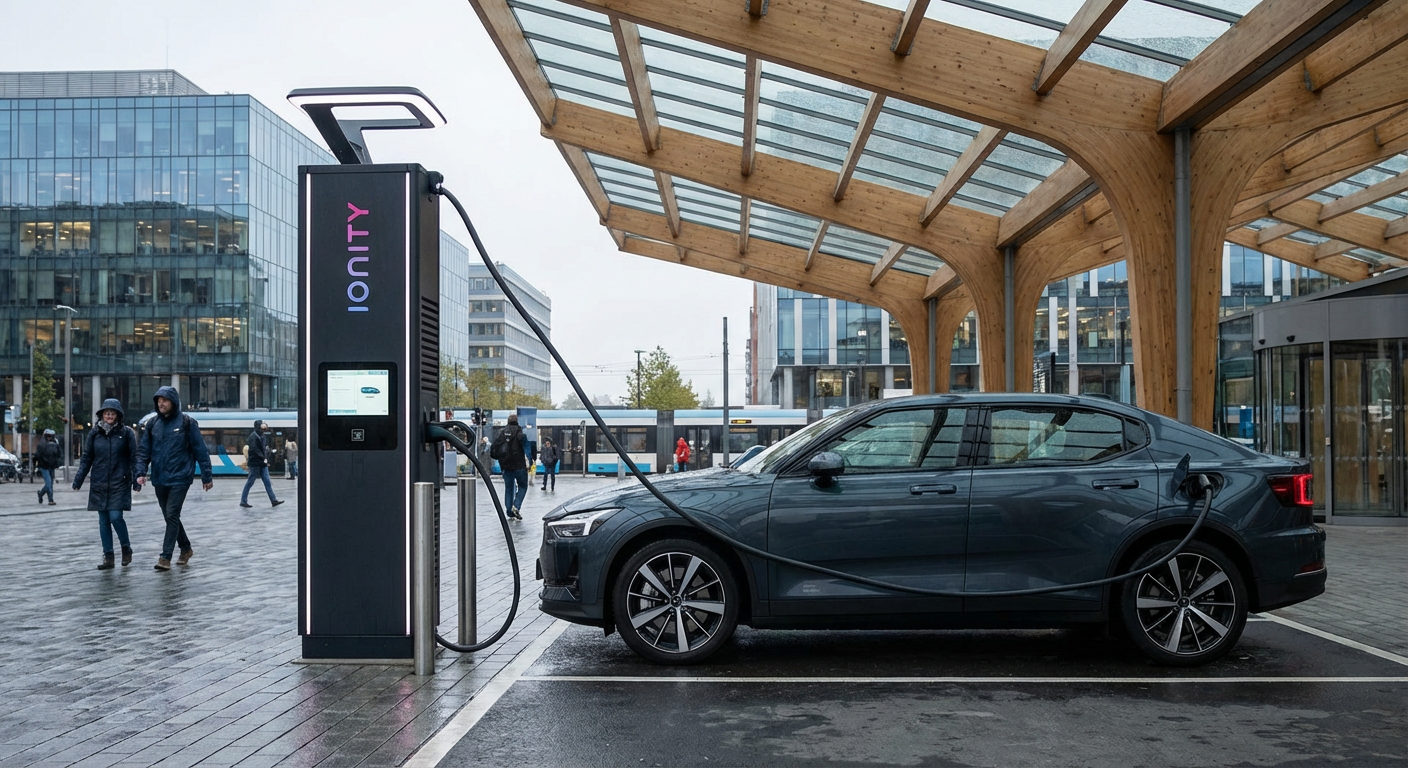
The rapid advancement of ultra-fast charging technology in China's EV market has ignited a heated debate over battery health.
Recently, BYD unveiled its second-generation Blade Battery and ultra-fast charging strategy, drawing industry attention. Following this, older comments from Nio CEO William Li regarding the potential damage of fast charging to batteries resurfaced, fueling discussions among consumers and experts.
Despite the skepticism, BYD has confidently asserted that its new technology achieves both rapid charging and a long battery lifespan.
The core of the debate centers on the phenomenon of lithium plating—when lithium ions fail to embed into the anode during rapid charging and instead deposit on the surface.
This can lead to permanent capacity loss, increased internal resistance, and in severe cases, dangerous lithium dendrites. However, Chinese battery manufacturers have made significant strides over the past two years, moving from 3C and 4C charging rates to impressive 10C and 12C capabilities, effectively mitigating these risks.
Optimizing Battery Materials
To combat lithium plating, companies are innovating at the material level.
For the negative electrode, traditional graphite is being refined by reducing particle size to shorten the diffusion distance for lithium ions. The integration of silicon enhances the charging rate performance, while creating porous structures allows for easier ion penetration.
Furthermore, advancements in electrolytes, such as the addition of specific additives, help form a more stable Solid Electrolyte Interphase (SEI) film, reducing interfacial resistance.
Smart Battery Management Systems (BMS)
A crucial component in modern EVs is the Battery Management System (BMS), which intelligently regulates the charging process. The BMS continuously monitors the battery's temperature and State of Charge (SoC).
If temperatures are low, the system restricts charging power until the battery warms up. Conversely, as the battery nears full capacity, the BMS dynamically lowers the current based on the lithium plating window, preventing the anode from becoming overwhelmed without the driver even noticing.
Advanced Charging Strategies
Current EVs employ sophisticated charging strategies, moving away from continuous maximum current. The standard approach involves step-charging: delivering maximum power from 0-40% SoC, gradually reducing speed between 40-80%, and charging conservatively above 80%.
BYD's confidence in its Blade Battery stems from its stable lithium iron phosphate (LFP) chemistry, which inherently has a higher threshold for lithium plating.
Combined with its "full-temperature range intelligent thermal management system," BYD ensures the battery remains within an optimal temperature zone, significantly lowering the risk of damage during ultra-fast charging.