
ByteDance’s Doubao Unveils System-Level AI Assistant to Challenge Smartphone Integration Norms
Doubao, the artificial intelligence unit of ByteDance, launched a technical preview of its "Doubao Mobile Assistant" on December 1, introducing a system-level AI capability deeply embedded into the smartphone operating system. This development marks a significant shift from standalone chatbot applications to "agents" capable of executing complex, cross-application tasks directly on a user's device.
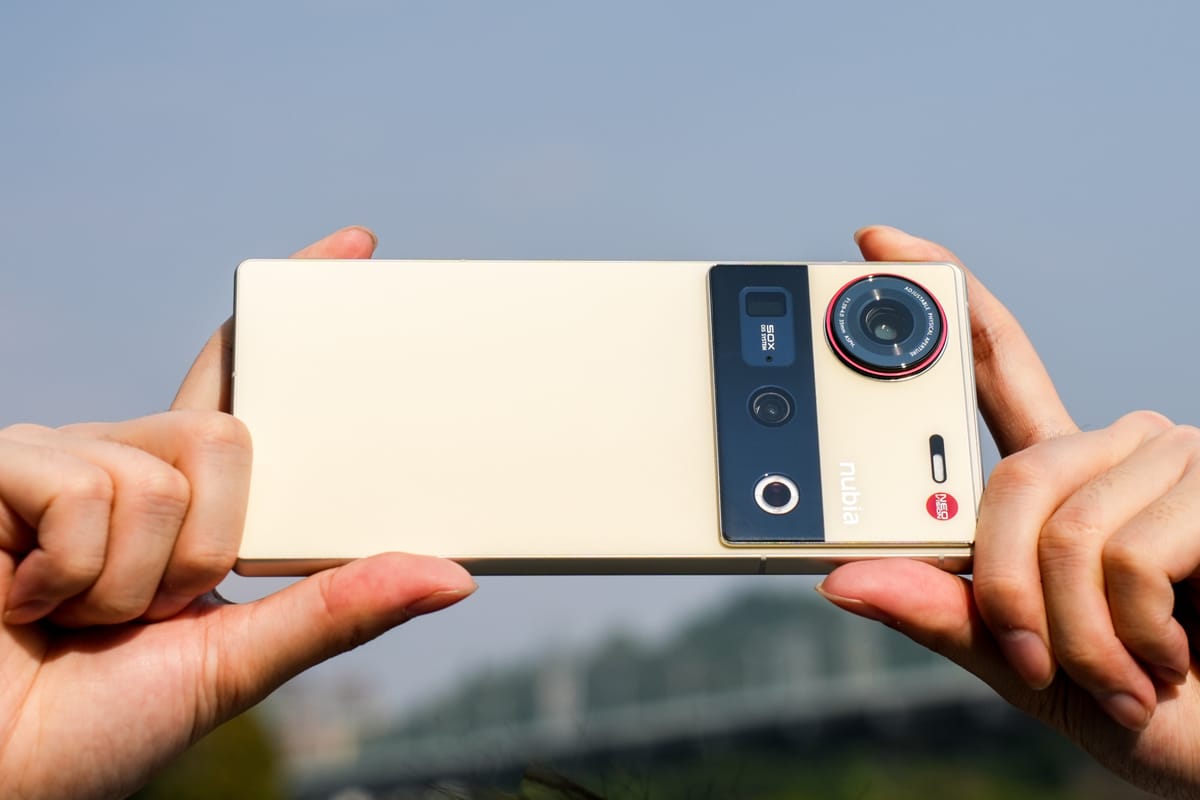
To demonstrate the technology, the company released a developer prototype smartphone, the nubia M153, produced in partnership with ZTE. The integrated assistant allows the AI to autonomously navigate user interfaces, performing actions such as comparing prices across different e-commerce platforms and drafting messages without manual input from the user.
While the prototype hardware is priced at RMB 3,499 (US$479), Doubao explicitly clarified that it has no plans to enter the smartphone manufacturing business. Instead, the company is actively pursuing partnerships with multiple smartphone vendors to license and integrate this assistant technology, utilizing the prototype merely as a vehicle for developers to test the software's capabilities.
This launch underscores a growing trend in the consumer electronics sector where hardware manufacturers, facing high barriers to entry for developing proprietary large language models, are increasingly turning to external AI providers. The move positions Doubao to compete in a landscape where companies like Apple Inc. have promised similar "Apple Intelligence" features but have faced delays in full deployment.
Autonomous "Agent" Capabilities
The core differentiator of the Doubao Mobile Assistant is its functionality as an intelligent "agent" rather than a passive information retrieval tool. Currently in its preview phase, the system possesses operating system-level permissions, allowing it to recognize UI elements on the screen and simulate human interactions such as clicking, swiping, and inputting text.
In practical tests, the assistant demonstrated the ability to execute complex workflows across isolated applications. For instance, when instructed to find the cheapest "Spicy Chicken Burger," the AI automatically opened apps for JD.com, Meituan, and Taobao, navigated to specific merchants, recorded prices, and presented a comparison summary to the user. It could then proceed to place the order, requiring human intervention only at the final payment stage.
Furthermore, the assistant features "screen awareness" capabilities. It can analyze the context of a chat window in real-time—such as reading a friend's complaint about working overtime—and draft appropriate responses or edit images based on voice commands, overlaying the active application without interrupting the background process.
Hardware Integration and Specifications
The AI capabilities are showcased on the nubia M153 engineering sample, which features a dedicated physical button on the side of the chassis. Pressing this button invokes the assistant as an overlay or "floating bubble," ensuring users can access AI tools while using other applications. The hardware specifications include a Qualcomm Snapdragon 8 Elite processor, a 6.78-inch LTPO display, and a 6000mAh battery, designed to support the computational demands of on-device AI operations.
The development is led by the "Ocean" team under ByteDance's AI product division, Flow. The team comprises talent acquired from various hardware ventures, including Smartisan, the VR headset maker PICO, and audio brand Ola Dance, combining software expertise with hardware integration knowledge.
Market Strategy and Industry Context
Doubao’s strategy reflects a shift in the mobile industry's business model. As technical requirements for training competitive Large Language Models (LLMs) surge, smartphone manufacturers are moving away from in-house development toward partnerships with established model providers. This aligns with recent industry movements, such as agreements between Samsung Electronics and Google for Gemini model integration.
By offering a turnkey AI solution, Doubao aims to capture the service layer of the smartphone ecosystem without incurring the heavy capital expenditure associated with hardware supply chains. The company is currently in talks with diverse manufacturers to expand the assistant's reach beyond the initial ZTE collaboration.
Technical Limitations and Outlook
Despite the advanced capabilities, the technical preview reveals current limitations in execution speed and versatility. Tests showed that the AI took nearly two minutes to complete a price comparison task that a human could finish roughly one minute faster, as the system must step-by-step interpret visual information on the screen.
The assistant also relies heavily on the underlying model's comprehension and currently struggles with long-tail scenarios, such as determining when a video has finished playing or providing strategic advice in real-time gaming. Although the system includes error-correction mechanisms to handle pop-up windows during automated tasks, achieving seamless operation requires further cooperation from third-party app developers to open up API-level permissions, a process that historically faces resistance from major internet platforms.