
DJI Pocket 4 FCC Filing Reveals Battery Boost and Video Upgrades
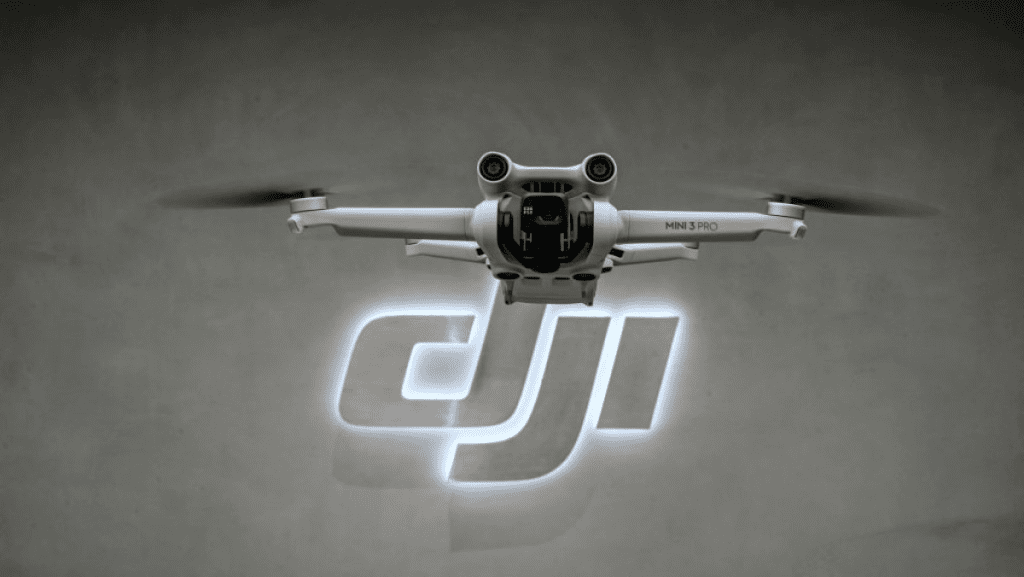
SZ DJI Technology is nearing the release of its latest handheld gimbal camera, the Osmo Pocket 4, following a pivotal regulatory registration in the United States. The filing confirms significant hardware revisions aimed at extending operational endurance for content creators, a critical metric in the competitive portable imaging market.
According to documents released by the Federal Communications Commission (FCC) on November 26, the device, carrying the model number 2ANDR-OP04, is equipped with a rated battery capacity of 1,545 mAh. This specification represents an approximate 18% physical increase compared to the previous generation, indicating a strategic shift toward supporting more power-intensive performance capabilities and longer recording sessions.
The technical disclosure validates supply chain reports of a device engineered for professional-grade videography, mitigating power limitations often associated with compact predecessors. While full specifications remain under a temporary confidentiality mandate, the data suggests DJI is aggressively defending its dominance in the vlogging equipment sector by delivering tangible hardware improvements rather than incremental updates.
Beyond the power cell, the certification highlights the retention of essential wireless protocols required for DJI’s expanding ecosystem of peripherals. Market observers anticipate that the combination of rated capacity growth and architectural efficiency tuning will allow the manufacturer to market a total performance upgrade exceeding 20%, reinforcing the product's appeal to professional users.
Power Architecture
The FCC database explicitly details the power specifications of the Osmo Pocket 4, listing a rated battery capacity of 1,545 mAh operating at 7.7 volts. This marks a substantial structural upgrade over the Osmo Pocket 3, which utilized a 1,300 mAh unit.
In the consumer electronics sector, manufacturers typically market the "typical capacity," a figure slightly higher than the rated value found in regulatory filings. Based on the 1,545 mAh rated baseline, industry analysis projects that DJI will market the new device with a typical capacity of 1,600 mAh or higher. Consequently, the actual user experience regarding battery life is expected to see an improvement of more than 20% compared to the prior model.
Optical and Functional Specs
Although the FCC’s confidentiality agreement restricts the release of images and manuals for 180 days, supply chain sources and test data indicate major enhancements to the camera’s imaging system. Recommendations from the supply chain suggest the Pocket 4 may feature a sensor larger than one inch to bolster low-light capabilities.
Further leaked specifications point to video recording capabilities peaking at 6K resolution at 60 frames per second, paired with a variable aperture system for greater creative control. Despite these additions, the device is expected to maintain a compact form factor, weighing less than 200 grams. Advancements in power management are projected to push the total battery life beyond 200 minutes.
Connectivity Standards
The regulatory filing confirms that the Osmo Pocket 4 will continue to utilize Bluetooth Low Energy (BLE) technology. This protocol is essential for maintaining stable, low-power connections with mobile applications and external peripherals. While the specific version is not detailed in the current documents, the predecessor supported BLE 5.2, and similar or superior standards are expected for the new model.
Audio performance is also slated for an overhaul, with reports indicating the inclusion of a four-microphone array. This system is designed to support wireless microphone synchronization, addressing the need for high-fidelity audio capture in mobile filmmaking. Additionally, the device is expected to adopt the faster Wi-Fi 6E protocol to accelerate file transfers and improve wireless monitoring reliability.