
China's Delivery Robots Hit the Streets as 90% Price Drop Ignites Mass Adoption
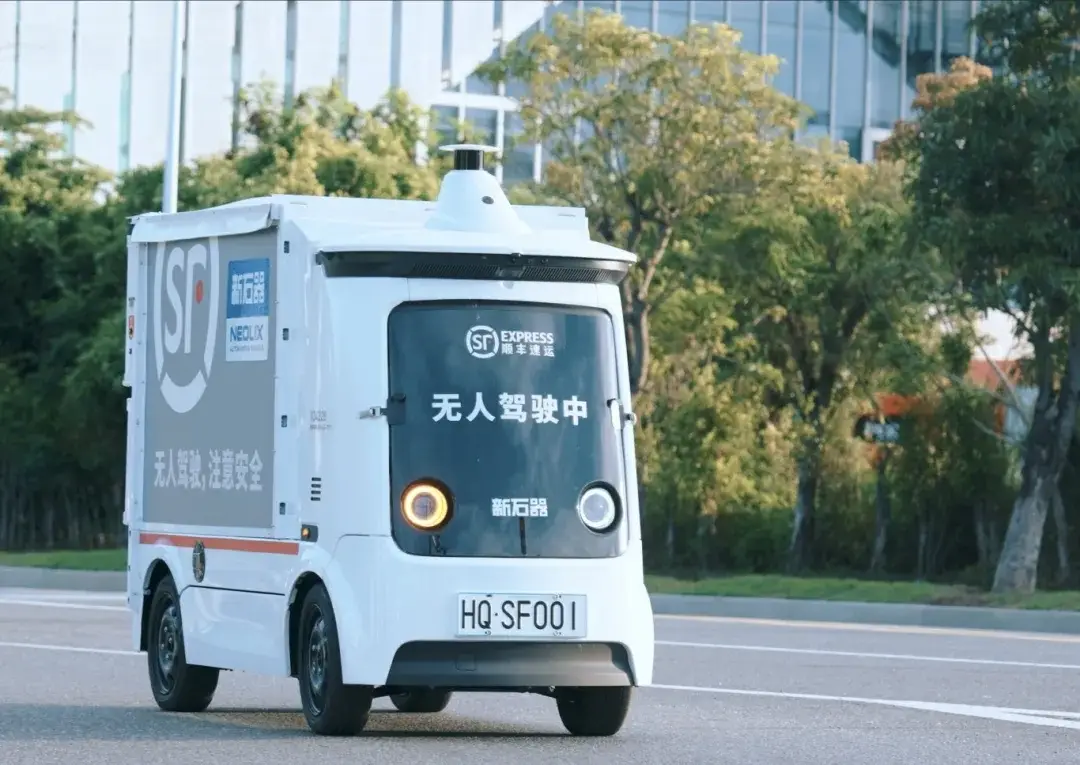
China's autonomous delivery vehicle sector is undergoing a massive expansion, fueled by a staggering price collapse that is rapidly turning niche technology into a mainstream solution for the country's fiercely competitive logistics industry.
In 2025, leading startups including Neolix and Zelos have announced or are nearing the delivery of their 10,000th vehicle, a key milestone signifying the transition to mass production. This surge follows a total industry deployment of just over 6,000 units at the end of 2024, highlighting an explosive acceleration in adoption.
The price plunge has made the vehicles commercially viable for logistics giants. In May, Zelos unveiled a model for RMB 19,800 yuan (US$2,740), while Cainiao, the logistics arm of Alibaba, followed with a new vehicle priced as low as RMB 16,800 yuan after promotions. This has spurred large-scale orders from companies like ZTO Express and SF.
This shift is reshaping "last-mile" delivery by allowing couriers to focus on final drop-offs rather than transit between sorting centers and neighborhoods. The rapid commercialization contrasts with the slower, more capital-intensive rollout of robotaxis, making autonomous delivery a more immediate and attractive bet for investors in the automated vehicle space.
Capital Pours In as Commercial Viability Crystallizes
Investors are increasingly favoring the autonomous delivery sector over robotaxis, drawn by its clearer path to profitability and ability to solve immediate business challenges. Unlike self-driving taxis, which face high infrastructure costs and lengthy regulatory cycles, delivery robots operate in controlled, short-distance scenarios, directly addressing the pain points of high labor costs and low efficiency for logistics firms.
The investor enthusiasm is reflected in significant funding rounds in 2025. In February, Neolix closed a 1 billion yuan C+ funding round, followed by a more than 600 million Series D financing in October. Meanwhile, Zelos secured nearly 300 million in a Series B round, and rival Rino.ai raised 200 million yuan in its own B round. In less than a year, these three companies alone have attracted over 7 billion yuan, underscoring the sector's powerful appeal.
Logistics Giants Embrace Automation for Efficiency Gains
Major Chinese express delivery companies are aggressively integrating unmanned vehicles into their operations to cut costs and boost efficiency. ZTO Express has already deployed approximately 1,000 vehicles, while YTO Express operates nearly 500, STO Express over 200, and Yunda more than 100.
Strategic partnerships are accelerating this trend. ZTO Express has signed a deal with Neolix to deploy 10,000 vehicles, while STO Express is collaborating with Cainiao to scale its unmanned fleet. SF, which currently operates over 800 units, projects its fleet will expand to 8,000 by the end of 2025. According to SF, a pilot in Shandong province using 52 vehicles cut per-parcel transportation costs by 1.32 yuan and improved efficiency by 30%, demonstrating tangible returns on investment.
The Battle to Cut Costs Intensifies Post-Scale
Reaching a deployment scale of 10,000 units is widely seen as the tipping point for the industry, enabling companies to move beyond high-cost, small-batch production and achieve a positive cycle of cost reduction and order growth. However, crossing this threshold has also intensified competition. The broader express delivery market is facing a "volume-up, price-down" environment, with national parcel volume growing 20.1% in the first five months of 2025 while the average price per parcel fell 8.2%.
This has heightened pressure on logistics firms to control expenses. Last-mile delivery is a primary target for cost savings, with labor and transport accounting for 84% of SF Holding's per-parcel costs in 2024. The core value of autonomous delivery vehicles lies in their potential to replace this human labor, but their own costs must continue to fall to be viable replacements, especially in smaller cities where local labor is cheaper.
From Hardware to Software: The Next Cost-Cutting Frontier
The initial dramatic price drop for autonomous delivery vehicles was driven by falling hardware costs, particularly for components like LiDAR sensors, combined with the maturation of domestic automotive-grade chips and improved algorithms. The increased bargaining power from bulk purchasing also played a significant role in lowering manufacturing expenses.
Industry experts believe the potential for further cost reduction remains significant. According to one investor focused on the sector, the next wave of savings will come from the software and operational side. As vehicle sales volumes continue to climb, the substantial fixed costs of software development and operational management can be amortized across a larger number of units, paving the way for even lower prices and deeper market penetration.