
China’s Humanoid Robot Leasing Market Heats Up as Tech Firms Target Commercial Events and Ads
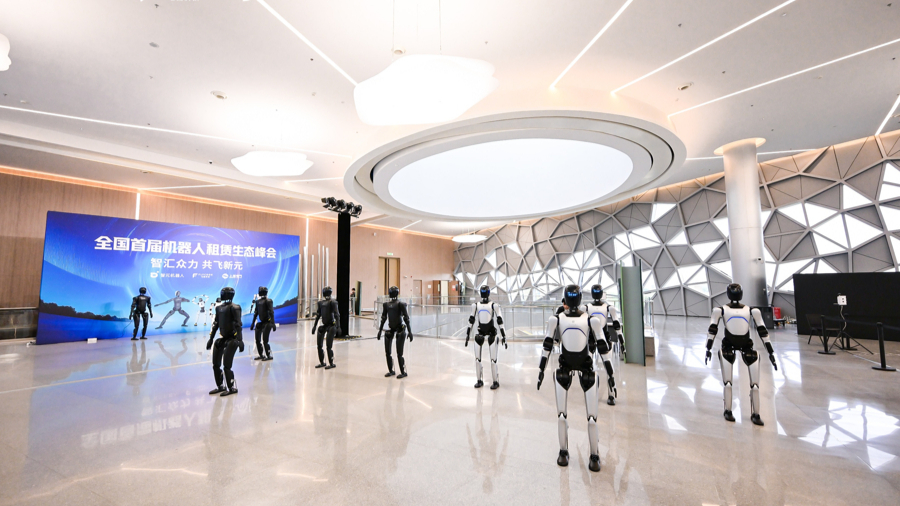
China’s nascent humanoid robot leasing sector is experiencing a surge in activity, heavily influenced by high-profile media appearances and a growing appetite for technological novelties in commercial settings. Industry players are now moving to consolidate this fragmented market through strategic alliances, aiming to turn viral popularity into sustainable business models.
At the recent 2025 Robot Leasing Industry Ecosystem Summit in Hangzhou, Feikuo Technology, a specialist in robotics technical services, launched a national alliance designed to standardize the leasing ecosystem. The initiative focuses on bridging the gap between hardware manufacturers and downstream service providers by addressing bottlenecks in technical support, order acquisition, and financing. The move comes as the number of leasing entities in China has swelled to over 500, signaling a rapid expansion in the supply chain.
The market’s momentum has been fueled significantly by the visible success of Unitree robots at the Spring Festival Gala, which demonstrated the viability of coordinated robotic performances. This exposure has catalyzed demand from corporate clients seeking to replicate such spectacles for annual meetings, exhibitions, and promotional campaigns.
For investors and industry observers, the development marks a critical shift in the robotics sector from pure hardware research and development toward commercial application and monetization. By lowering the barrier to entry through leasing models, Chinese tech firms are accelerating the deployment of humanoid robots into real-world scenarios, testing market readiness beyond laboratory environments.
Surging Demand for Commercial Traffic
According to Hu Lingpeng, Co-founder and CEO of Feikuo Technology, the domestic leasing market has grown rapidly, now comprising approximately 500 companies. The entrants are diverse, ranging from established equipment rental firms and used car leasing businesses to new startups attracted by the sector's hype. Of these, roughly 200 have established professional service systems focused on performance and exhibition sectors.
While specific aggregate data is difficult to compile due to a lack of industry classification standards, order volumes indicate a clear spike in demand. Hu told China Robot Network that the market is currently driven by three primary scenarios:
- Large-scale Performances: High demand during year-end corporate events for multi-robot synchronized dances using cluster control technology.
- Exhibition Traffic Generation: Utilization of robots at trade show booths to attract visitors through high-tech appeal and interaction.
- Content Creation: Companies in industrial and design sectors are renting robots to create viral short videos and advertising content to capitalize on current social media trends.
"The core requirement across these scenarios is attracting traffic and attention," Hu stated. "The technological attributes and topicality of robots meet this market need perfectly, which constitutes the primary profit logic for current leasing operations."
Strategic Alliance to Tackle Fragmentation
Despite the boom, leasing companies face significant operational hurdles, including difficulties in securing stable orders, weak technical support from manufacturers, slow repair turnaround times, and capital constraints. To mitigate these issues, Feikuo Technology has partnered with major hardware manufacturers such as Agibot and Galbot, as well as financial giant Shanghai Electric, to form the National Robot Leasing Ecosystem Alliance.
The alliance operates on a tripartite structure:
- Operations: Feikuo Technology acts as the operational hub, managing resources and bridging connections.
- Hardware & Tech: Agibot, Galbot, and other manufacturers provide the physical units and technical guarantees.
- Finance: Shanghai Electric provides financial services, such as installment payment plans, to alleviate cash flow pressure for leasing firms.
The consortium aims to provide member companies with direct access to official orders, a "green channel" for after-sales repairs and backup units, and industry-wide service upgrades. "Client requirements are escalating from simple gestures to complex performances involving groups of five to eight robots," Hu noted, emphasizing that the alliance is essential for professionalizing the industry.
Bridging Hardware and Application
Feikuo Technology differentiates itself by focusing on the "secondary development" of robotics technology, positioning itself as an intermediary that facilitates the commercial landing of hardware. Unlike firms that prioritize heavy R&D without immediate application, Feikuo has built a commercial ecosystem through its subsidiaries.
Its subsidiary Feiyao Technology focuses on executing rental and performance solutions for commercial and cultural tourism events. Meanwhile, Feikuo Media operates as a robot IP MCN (Multi-Channel Network) agency, incubating distinctive robot characters to provide traffic value for brands. The company reports serving over 300 leasing enterprises nationwide, including 150 professional institutions, providing solutions ranging from motion programming to visual upgrades.
From Performance to Service Functionality
Looking ahead, Hu expressed optimism about the sector's trajectory over the next three to five years. He anticipates that rapid technical iterations—occurring on a weekly or monthly basis—will expand the utility of humanoid robots beyond mere entertainment.
"We are already seeing attempts to deploy robots in welcoming guests, shopping guidance, and real estate presentations," Hu said. He predicts robots will evolve into domain experts capable of detailed sales pitches and emotion sensing. The leasing market, he argues, will serve as the crucial entry point for this wider commercial adoption, with technical maturity and market standardization driving the industry into sectors such as elderly care, catering, and retail services.