
Chinese Tea Chains Flood US Market in Hunt for Growth Beyond Home
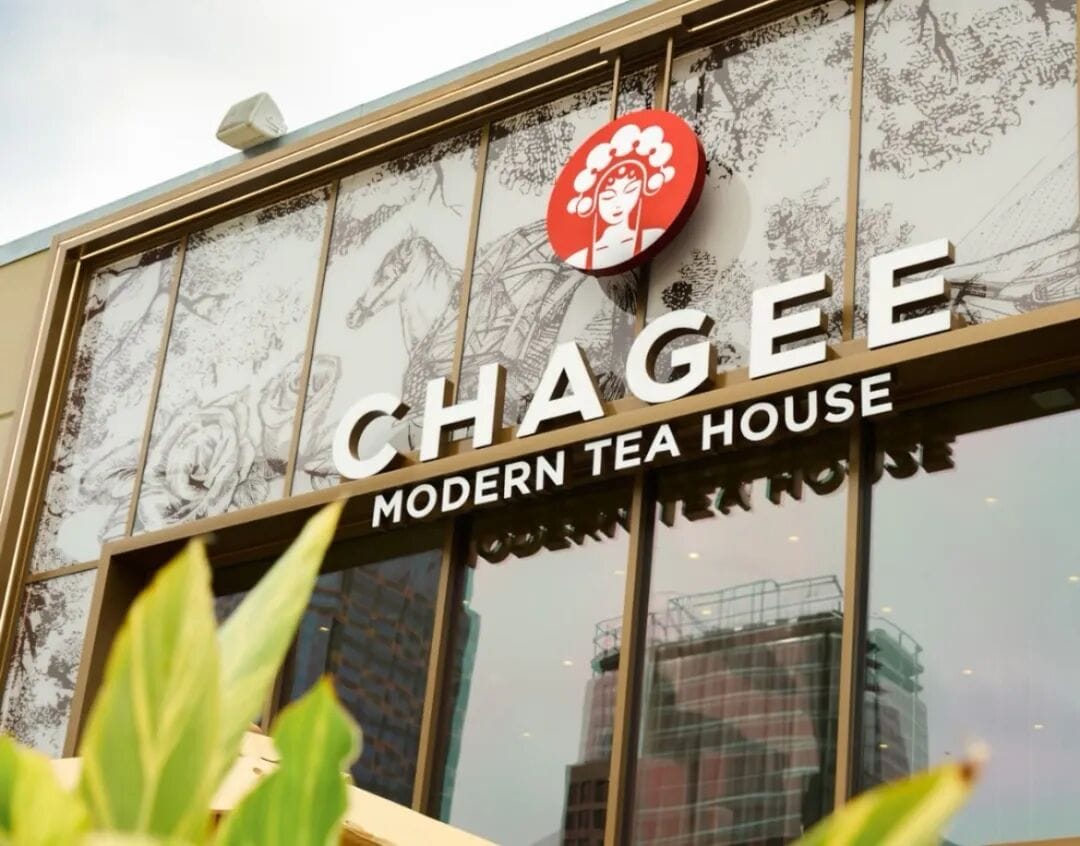
Top-tier Chinese fresh tea brands are aggressively expanding their physical footprint across the United States in 2025, seeking new revenue streams in a $2.6 billion market as competition in their domestic sector reaches saturation points. From New York to Los Angeles, companies that pioneered the "new tea" revolution in China are attempting to replicate their success overseas, reshaping local consumption habits and challenging established beverage incumbents.
According to the "2025 US Fresh Made Tea Data Report" by MenuSifu, the number of bubble tea stores in the US is projected to reach 7,845 in 2025, a significant jump from 6,636 the previous year. This surge is largely driven by the entry of major mainland players such as Heytea and Chagee, which are capitalizing on a market growing at an annual rate of 9.1%. Analysts predict that as Millennials and Gen Z consumers drive demand, the sector has the potential to expand five-to-tenfold over the coming decade.
The competitive landscape in the US remains highly fragmented, with no single brand commanding more than a 5% market share. This stands in stark contrast to the coffee market dominated by Starbucks Corp., signaling an open playing field for new entrants. Chinese brands are deploying varied strategies to seize this opportunity: Heytea has positioned itself as a premium lifestyle brand with a flagship in Times Square, testing high price points, while competitors like Mixue Ice Cream & Tea are leveraging supply chain dominance to offer value-driven products in high-traffic tourist hubs.
However, the expansion is fraught with operational complexities, including skyrocketing rents, stringent regulatory environments, and the necessity for cultural adaptation. As profitability remains elusive for many due to high initial capital outlays, the industry is shifting from a phase of tentative exploration to a rigorous test of long-term localized management and brand resilience.
Divergent Market Strategies
Chinese brands are adopting distinct operational models to navigate the US landscape. Heytea has opted for a high-profile entry, directly benchmarking against premium coffee chains. Its first overseas "LAB" store at Times Square introduced products priced at US$9.90—significantly higher than its domestic pricing—aiming to test the market's acceptance of luxury tea drinks. The strategy appears initially successful, with opening sales exceeding 3,500 cups per day.
In contrast, Chagee has targeted a mid-range segment. Its North American debut at the Westfield Century City mall near Beverly Hills priced its signature product at US$5.95, carving a niche between premium competitors and budget options. Meanwhile, Mixue Ice Cream & Tea continues its strategy of "prime location, low price," securing expensive real estate in Manhattan and Hollywood to build brand equity while maintaining the extreme affordability that fueled its growth in China.
Other players are taking more cautious or experimental approaches. Ningji, a lemon tea specialist, abandoned its Chinese branding due to pronunciation difficulties, relaunching under the localized name "BOBOBABA" to resonate with the American term for "boba." Brands like ChaPanda and Molly Tea are also entering the fray, marking a shift from isolated attempts to a collective industry wave.
Soaring Costs and Regulatory Hurdles
The primary barrier to profitability in 2025 remains the exorbitant cost of doing business in the US. Opening a single high-standard tea shop can require an investment exceeding US 1 million, with roughly 500,000 when factoring in renovation and equipment.
Labor costs further compress margins. With minimum monthly wages for service staff hovering around US 4,000, a store with four employees faces a monthly pay roll of over RMB 300,000 yuan. This cost structure challenges the feasibility of the low-price, high-volume models that many Chinese brands rely on domestically.
Operational efficiency is also hampered by regulatory differences. Wang Jie, founder of the BOBOBABA brand, noted that construction projects that take a week in China can drag on for months in the US due to strict zoning laws, labor regulations, and permitting delays. Executives describe the US expansion not as starting from zero, but starting from a "negative" baseline due to these logistical friction points.
The Challenge of Localization
Beyond financial metrics, Chinese brands face a steep learning curve regarding local consumer preferences. While the Chinese market has trended toward lower sugar levels and health-conscious options, the US mass market favors significantly sweeter beverages and heavy toppings. Data indicates that black sugar milk tea sales surged nearly 50% recently, creating a demand for sugar levels far exceeding domestic norms.
Successful brands are rapidly adapting their menus. Brands like Yuan Tea have increased baseline sugar content by 30% and introduced larger tapioca pearls to satisfy the American preference for "chewiness." Heytea has launched region-specific products incorporating local ingredients like California navel oranges, proving that localization is essential for moving beyond the niche Asian demographic and competing with established local chains like Boba Guys.
Forging a Sustainable Model
To survive the high-cost environment, brands are evolving their business models to maximize revenue per square foot. Unlike the small take-out windows common in China, US stores often exceed 60 square meters, prompting operators to adopt a "Milk Tea +" strategy. Statistics show 36% of stores now bundle drinks with high-margin food items such as desserts, fried chicken, or sushi. For instance, bakery items account for nearly 20% of sales at Yuan Tea’s US locations.
Supply chain localization remains the critical final frontier. With air freight costs eroding margins, major players are investing in regional infrastructure. Heytea has established regional warehouses in North America, while other executives are exploring the cultivation of key ingredients, such as lemons, directly on US soil. Industry leaders acknowledge that the "get rich quick" era is over; the US expansion is now viewed as a decade-long marathon requiring deep integration into the local economy and culture.