
Chinese Consumer Brands Expand Aggressively into Africa as Private Sector Displaces State-Led Model
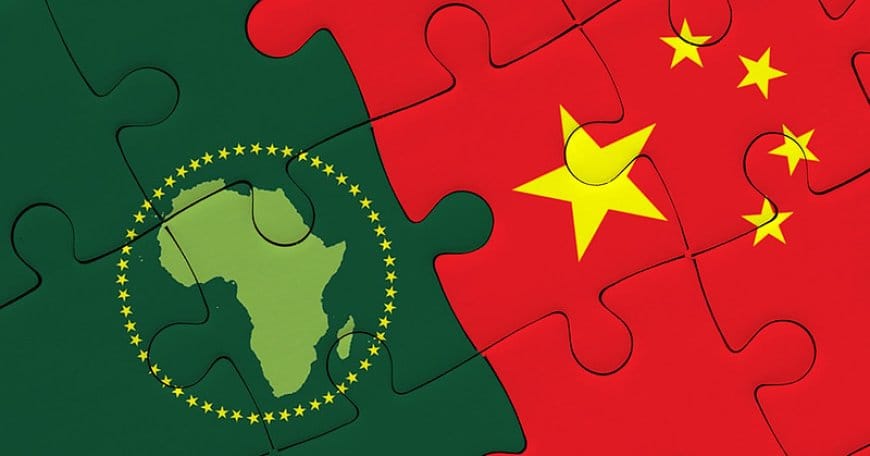
Chinese engagement in Africa is undergoing a fundamental transformation, with private consumer brands rapidly replacing state-owned infrastructure projects as the primary driver of commercial activity, according to a recent report by an international media outlet.
According to CNBC's report published on November 24, 2025, China's exports to Africa surged 28% year-on-year in the first three quarters of this year, marking a decisive shift from traditional resource and infrastructure investments toward consumer goods targeting the continent's growing middle class.
The transformation reflects a sharp decline in Chinese investments in Africa's resource-intensive sectors, which have fallen roughly 40% since peaking in 2015, according to Rhodium Group's China Cross-Border Monitor released in November. Meanwhile, Chinese companies are flooding African markets with higher-value manufactured goods including electronics, plastics, and textiles, capitalizing on a projected household spending market exceeding $2 trillion by 2030.
Small and mid-sized Chinese entrepreneurs are increasingly visible across the continent, selling products ranging from solar panels and smartphones to bubble tea and household appliances. Transsion, a Chinese smartphone manufacturer, has built substantial market share in Africa, while telecommunications giant Huawei Technologies and appliance maker Midea Group continue expanding operations. Midea signed agreements in July with the Confederation of African Football to increase investments and has established factories in Egypt with plans for further expansion.
Social media platforms like Xiaohongshu and Bilibili feature growing documentation of Chinese business ventures in Africa, from e-commerce operations to retail outlets. Euromonitor data confirms the trend extends to basic consumer goods including diapers, packaged foods, and household items.
Joe Ngai, chairman of McKinsey Greater China, noted that Chinese companies previously focused on infrastructure and mining but are now targeting African consumers, though he cautioned about market fragmentation and thin profit margins. Industry observers suggest the shift is partly driven by narrowing margins in China's domestic market and mounting trade barriers with the United States and Europe.
However, analysts warn that an export-only approach risks widening trade imbalances and undermining local manufacturing. Some Chinese firms are responding by establishing local production facilities. Guangzhou-based Sunda International has reportedly built over 20 production centers across Africa over the past decade, generating up to $450 million (approximately RMB 3.2 billion) annually from necessity goods like diapers and sanitary products.
The business shift coincided with Chinese Premier Li Qiang's attendance at the G20 summit in South Africa, where he signed a $1.4 billion agreement with Zambia to modernize railway infrastructure linking the country to the Indian Ocean, signaling continued strategic interest alongside the consumer market expansion.