
Chinese Electric Vehicles Race to Add Home Appliances as Competition Intensifies
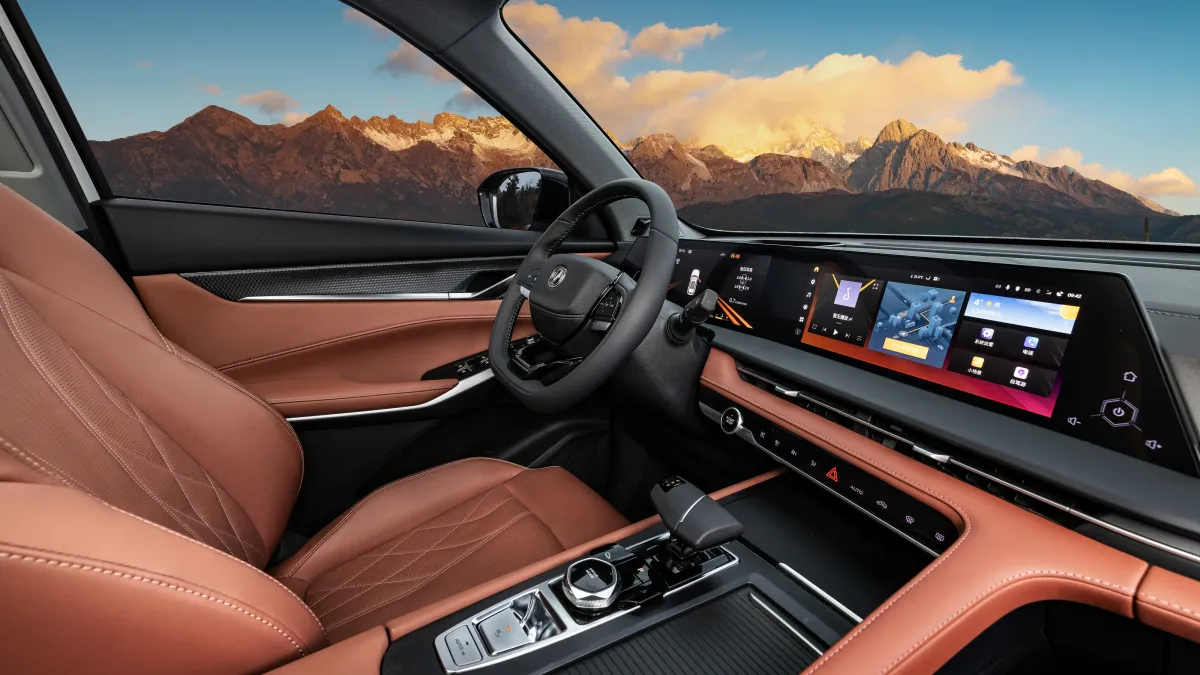
Chinese electric vehicle manufacturers are increasingly equipping their cars with household features like showers, toilets, and electric stoves as they search for differentiation in an intensely competitive market. Industry observers suggest that while most of these features target niche camping enthusiasts, only those meeting high-frequency user needs will become standard – mirroring the mobile phone industry's evolution two decades ago.
Five domestically-produced electric vehicles equipped with cooking, dining, bathing, and sleeping facilities can be purchased for less than RMB 1.6 million yuan ($220,000), cheaper than a typical apartment in China's first-tier cities. The figure underscores how extensively automakers are incorporating residential amenities into vehicles, transforming cars into mobile living spaces.
Market analysts warn that many of these features face adoption challenges due to limited convenience and low usage frequency, potentially restricting their appeal to mainstream buyers. The proliferation of such features reflects manufacturers' struggle to establish differentiation as technical advantages in areas like fast-charging and driver assistance are rapidly replicated across price segments.
The trend could reshape how consumers evaluate vehicle value propositions, with brands racing to identify the next breakthrough feature that resonates beyond early adopters.
From Kitchen to Bedroom on Wheels
Chinese EV makers have assembled a comprehensive suite of residential functions across their model lineups. Landian E5 PLUS, with a presale price of RMB 139,800 yuan, offers an RMB 6,999 yuan camping package including in-cabin water boiling and dual 1,500-watt electromagnetic stoves mounted at the rear.
Zeekr MIX, starting at RMB 279,900 yuan, features 270-degree rotating front seats that create face-to-face dining configurations with rear passengers. Jishi 01's seven-seat version at RMB 299,900 yuan provides detachable toilet seat installation in the second-row armrest, while IM Motors LS9, with presale pricing from RMB 336,900 yuan, incorporates an onboard shower room.
Li Auto MEGA Home, priced from RMB 529,800 yuan, offers a full bed mode with double-layer soundproof privacy glass and Nappa leather, designed to replicate bedroom sleeping experiences. Entertainment systems across these vehicles include screens exceeding 21 inches and premium audio configurations.
Even with overlapping functions eliminated, a basic residential setup using five vehicles totals under RMB 1.6 million yuan – less than typical first-tier city property purchases. Additional gaming cockpits from Lynk & Co Z10 STARBUFF at RMB 216,800 yuan and wardrobe interfaces in NIO ES8 starting at RMB 406,800 yuan further expand the living-space concept.
High-Frequency Features Separate Winners from Novelties
Historical parallels with mobile phone industry development suggest most vehicle-based home features will fail to achieve mainstream adoption. Two decades ago, handset makers experimented with solar panels, watch-sized phones with numeric keypads, and dual-SIM capabilities alongside shaving attachments and LED flashlights.
Only features closely aligned with smartphone intelligence, convenience, and high-frequency needs survived: integrated LED flashlights in camera modules, AI-enhanced beauty cameras, rapid charging speeds, and mature dual-SIM functionality. The pattern indicates convenience and usage frequency determine which innovations endure.
Vehicle-based shower rooms, toilets, and stoves require significant pre-use preparation including equipment setup, ingredient procurement, and water sourcing, followed by cleaning and resource replenishment. The confined activity space compounds usage difficulties, while application scenarios remain limited primarily to extended holiday trips and travel periods.
When users can return home or afford hotels and restaurants, few choose vehicle-based solutions. These features primarily serve camping enthusiasts, addressing niche markets rather than providing core selling points for mass-market buyers.
Conversely, the success of refrigerators, entertainment screens, and comfortable seating – dubbed "refrigerator, TV, and big sofa" in Chinese market parlance – stems from their alignment with spacious vehicle preferences. In the first half of 2025, China sold 10.901 million passenger vehicles, including 5.035 million sedans, 5.358 million SUVs, and 509,000 MPVs, with SUV sales growth maintaining 11.2% momentum.
Electric Power Democratizes Premium Features
The new energy vehicle era has resolved the primary obstacle preventing refrigerator, TV, and sofa features from mass adoption: cost. Traditional premium vehicle users already encountered these amenities, with luxury brands marketing them as differentiation points, but pricing limited accessibility.
Electric powertrains fundamentally changed the economics, while intelligence integration unlocked additional functionality. Refrigerators now offer remote temperature adjustment via smartphones, entertainment screens incorporate smart features enabling richer functions, and comfortable seating addresses core passenger requirements most directly.
High convenience and usage frequency have made these features critical metrics for Chinese consumers evaluating mid-to-large SUV value propositions. Similar logic may apply to front trunks, which address pain points created by China's reverse parking habits and limited parking resources.
Rear trunk access frequently faces spatial constraints, while pure electric vehicles' redundant front compartments offer convenient front trunk solutions for short trips and business travel. Users simply place luggage in the front trunk without considering rear opening space, then tap the hood to retrieve items after parking.
This functionality explains why Ledo L90 owners utilize front trunks 93% of weekly trips, only three percentage points below rear trunk usage. Adequate size combined with convenience drives adoption rates, suggesting high-frequency user need response should guide new feature consideration.
Automakers including Aito M8 pure electric version and Leapmotor D19 have added front trunks to new models, even developing electrical outlet capabilities.
Differentiation Search Drives Innovation Experiments
The seemingly absurd innovations from Chinese EV manufacturers represent an inevitable process of brands seeking differentiation. Front trunks and the refrigerator-TV-sofa trend follow established patterns where competitive advantages rapidly erode.
Two years ago, Xpeng's first-generation G6 launched with 800V technology as its core highlight, generating significant attention, but IM Motors quickly followed with messaging and a competing product, the LS6.
Even moats like driver assistance face pressure as automakers leverage supplier enablement and promotional campaigns to catch first-tier players. Chinese EV makers' rapid feature replication has compressed functional differences across price segments, with refrigerator-TV-sofa configurations initially exclusive to RMB 300,000-level vehicles now appearing in RMB 200,000-tier models.
Nearly all industry participants recognize that absent technological breakthroughs, successful differentiation beyond quality depends on brand building. Most manufacturers remain in exploratory phases, viewing new features as brand label opportunities – if Li Auto established "family car" positioning through refrigerator-TV-sofa offerings, perhaps the next breakthrough also lies in interior functionality.
The tug-of-war among Chinese EV companies will persist for several years, with seemingly fantastical "home appliance integration" representing only the beginning. Whether any features will achieve normalized status comparable to mobile phone flashlights and beauty cameras remains uncertain as manufacturers continue experimenting.