
Chinese Milk Tea Brands Rush to North America as Daily Revenues Hit $100,000
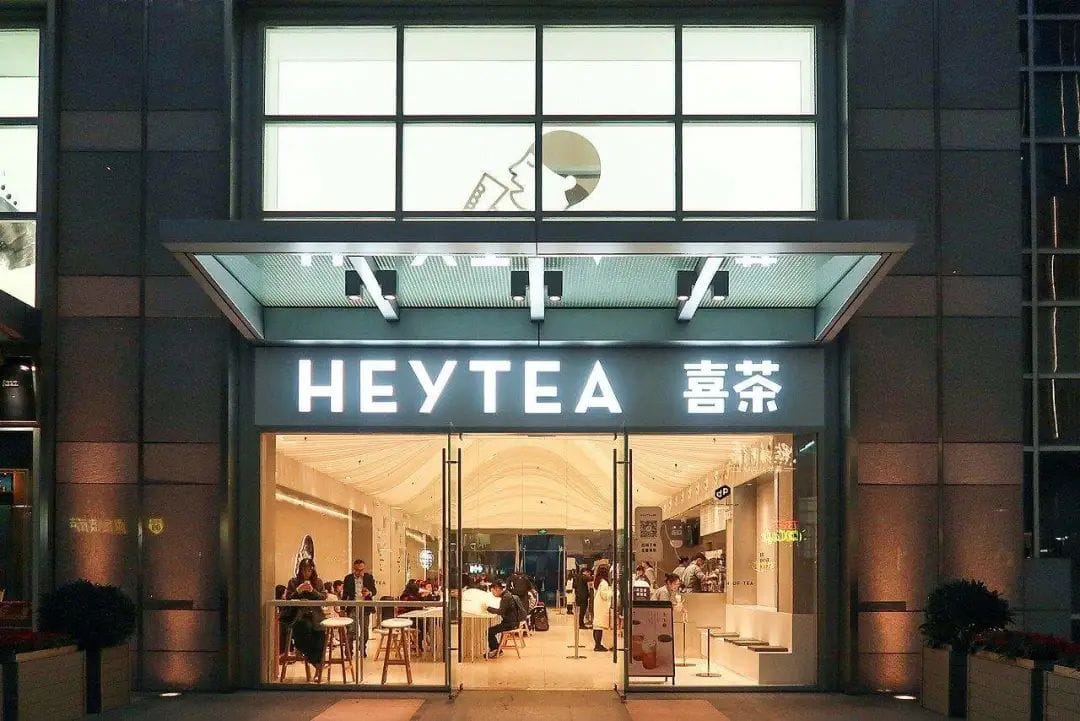
Chinese bubble tea chains are experiencing unprecedented success in North America, with some stores generating daily revenues of up to $300,000 as brands rush to capture market share in what industry experts describe as a brief window of opportunity.
HeyTea has emerged as the leader with 35 U.S. locations, including its latest store that opened August 1 near Apple Inc.'s Cupertino headquarters. The chain has expanded from just two American outlets a year ago, marking rapid growth in a market traditionally slow to adopt new beverage concepts.
Multiple Chinese tea brands are now entering the lucrative North American market, where average transaction values reach $6-10, more than three times the price in China. Industry data shows successful stores can achieve 400-1,000 cups daily, revenue can reach $100,000 to $300,000 (about 727,000 to 2.18 million yuan).
The expansion comes as Southeast Asian markets show saturation signals, prompting brands to seek higher-margin opportunities in North America's less competitive landscape.
Market Performance Exceeds Expectations
Several Chinese tea brands have reported strong financial results since entering the U.S. market. Molly Tea's New York location generated over 570,000 in October 2024, surpassing known revenue records for bubble tea stores in China. Its Los Angeles flagship achieved RMB 4.195 million (US$580,000) , setting a sales record for its overseas locations.
CHAGEE, which became the first Chinese tea brand to go public in the U.S., sold over 5,000 cups on its opening day in Los Angeles' affluent Westfield Century City mall. Auntea Jenny's New York debut generated $65,000 in GMV within three days, processing over 3,000 orders.
HeyTea's Times Square TEA LAB location sold 3,500 cups on opening day and maintains daily averages above 2,000 cups, according to company disclosures.
Strategic Expansion Wave Accelerates
Additional Chinese brands are preparing U.S. market entries as the competitive window narrows. ChaPanda announced its first North American location will open in New York, while Nayuki Tea rebranded as "Naisnow" for its American expansion, with construction already visible at several locations.
According to LHFB founding partner Brian, who specializes in U.S. market entry for Chinese tea brands, the premium pricing environment allows brands to escape the low-margin competition characterizing Southeast Asian markets. American consumers demonstrate higher acceptance of "fresh," "healthy," and premium tea beverages than initially expected.
Research firm IBIS data shows the U.S. bubble tea market contains only 8,000 stores with no single brand commanding over 5% market share, creating opportunities for Chinese chains to establish dominant positions.
High Costs Challenge Profitability
Despite revenue potential, American expansion requires substantial capital investment. Small stores demand approximately $500,000 (about 3.6 million yuan) in initial setup costs, while larger locations approach $1 million (around 7.2 million yuan). including equipment, renovation, rent, and inventory.
Labor costs present additional challenges, with service staff earning minimum 4,000 monthly. A typical four-employee tea shop faces monthly labor expenses of more than 300,000 yuan ($41,000), according to brand marketing expert May Lin, who has 13 years of international expansion experience.
Payback periods range from 12 months for successful locations to 2-3 years for average performers, with underperforming stores risking losses. Most brands have adopted franchise models to reduce direct investment risks and accelerate expansion through local partners' market knowledge.
Gradual Localization Strategy Emerges
Chinese tea brands initially cluster in areas with significant Asian populations to establish customer bases before expanding to mainstream markets. New York's Flushing Prince Street, nicknamed "Diabetes Street" by social media users, hosts multiple Chinese tea chains including Auntea Jenny, HeyTea, and Molly Tea.
However, these areas serve as testing grounds rather than exclusively targeting Chinese consumers, as Asian populations typically comprise only 20-30% of customers in these locations. Success with diverse customer bases provides validation for expansion into non-Asian neighborhoods.
Industry experts predict market saturation within two to three years as America's smaller population and coffee-centric culture limit total addressable market size compared to China's tea-drinking traditions.