
Chinese Robotics Firm Unitree Disputes Industry Sales Rankings, Questions Competitor Data
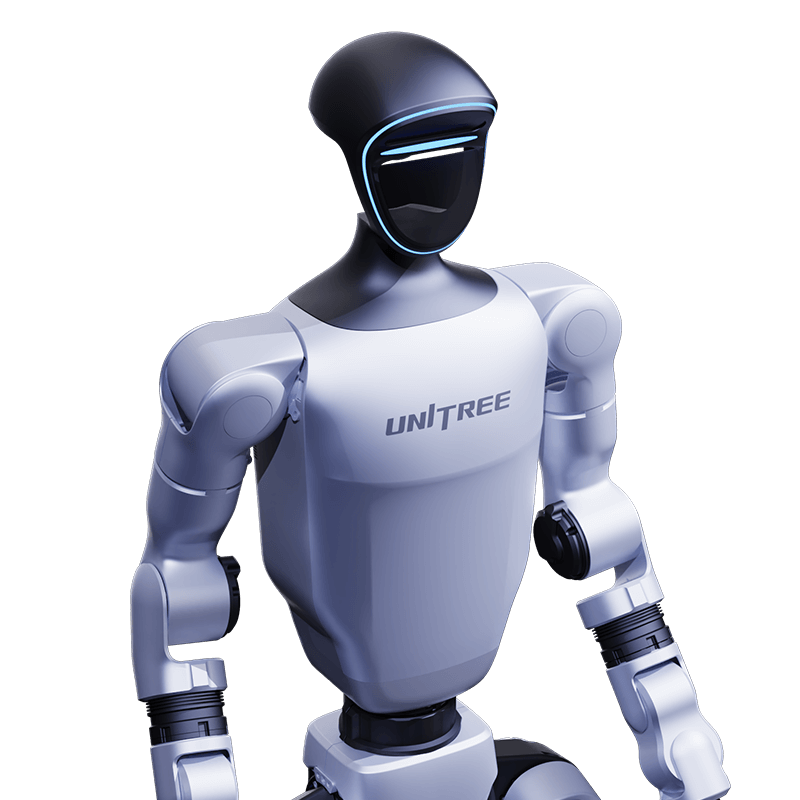
Unitree Robotics Technology issued a rare clarification statement this week challenging published industry sales figures for humanoid robots, igniting questions about data transparency across China's rapidly expanding robotics sector. The Hangzhou-based company disclosed that it delivered over 5,500 pure humanoid robots to end customers in 2025, with total production exceeding 6,500 units—figures that contradict a widely circulated industry report and suggest some competitors may be inflating their market positions.
The statement, released January 22, emphasized that Unitree's figures represent actual shipments to end customers rather than order volumes, and exclude wheeled dual-arm robots and other non-humanoid products. The pointed clarification comes amid growing scrutiny of sales claims in China's competitive robotics market, where multiple manufacturers vie for leadership positions.
The move directly challenges data published by market research firm Omdia in January 2026, which ranked Chinese startup AGIBOT as the global leader in embodied robot shipments with 5,168 units in 2025, while placing Unitree second at 4,200 units. Unitree's disclosed figures of 5,500 units would reverse that ranking, raising questions about methodology and data sourcing across industry reports.
The dispute highlights transparency challenges in an industry attracting billions in investment but lacking standardized reporting frameworks. With Chinese robotics companies increasingly competing for global market share and investor attention, pressure is mounting on rivals to match Unitree's disclosure or risk credibility questions.
Conflicting Data Sources
The Omdia report, titled "General Embodied Robot Market Radar," estimated total global shipments of approximately 13,000 units in 2025, with Chinese manufacturers dominating the top positions. Beyond AGIBOT and Unitree, the report listed UBTECH Robotics at 1,000 units, Leju Robotics at 500 units, and Engine AI at 400 units.
However, the report provided no detailed methodology or data collection process, citing only "Source: Omdia" on its charts. This lack of transparency has drawn criticism as the industry matures and institutional investors demand more rigorous market intelligence.
Unitree's statement implicitly challenged competitors to release similarly detailed sales breakdowns, distinguishing between production volumes, order books, and actual customer deliveries—a level of granularity rarely seen in Chinese robotics company announcements.
Industry Standardization Pressures
The controversy emerges as China's humanoid robotics sector experiences explosive growth, with multiple startups achieving valuations exceeding $1 billion and established players like UBTECH pursuing international expansion. The sector has attracted significant government support and private investment, intensifying competition for market leadership claims.
Industry observers note that robotics manufacturers may need to adopt reporting standards similar to China's automotive sector, which maintains centralized sales tracking through industry associations. The current fragmented approach allows for varying definitions of "shipments," "deliveries," and product categories, complicating investor due diligence and market analysis.
The dispute also raises questions about product classification, as Unitree's statement specifically excluded wheeled robots and dual-arm systems from its humanoid count. With robot form factors varying widely across manufacturers, standardized category definitions remain absent from most market reports.
Market Implications
The data dispute comes at a critical juncture for Chinese robotics companies seeking to establish credibility with international customers and investors. Several firms have announced plans for overseas expansion and partnerships with multinational corporations, making transparent performance metrics increasingly important.
For investors evaluating the sector, the conflicting figures underscore due diligence challenges in assessing market positions and growth trajectories. Without audited sales data or industry-standard reporting, distinguishing genuine market leaders from aggressive marketing claims remains difficult.
The controversy may accelerate calls for third-party verification of robotics sales data, similar to practices in the smartphone and automotive industries. As the humanoid robotics market matures and consolidates, companies able to demonstrate verifiable track records may gain competitive advantages in attracting capital and customers.