
Chinese Companies Dominate Global Smart Vacuum Market as Q2 Shipments Hit 6.17 Million Units
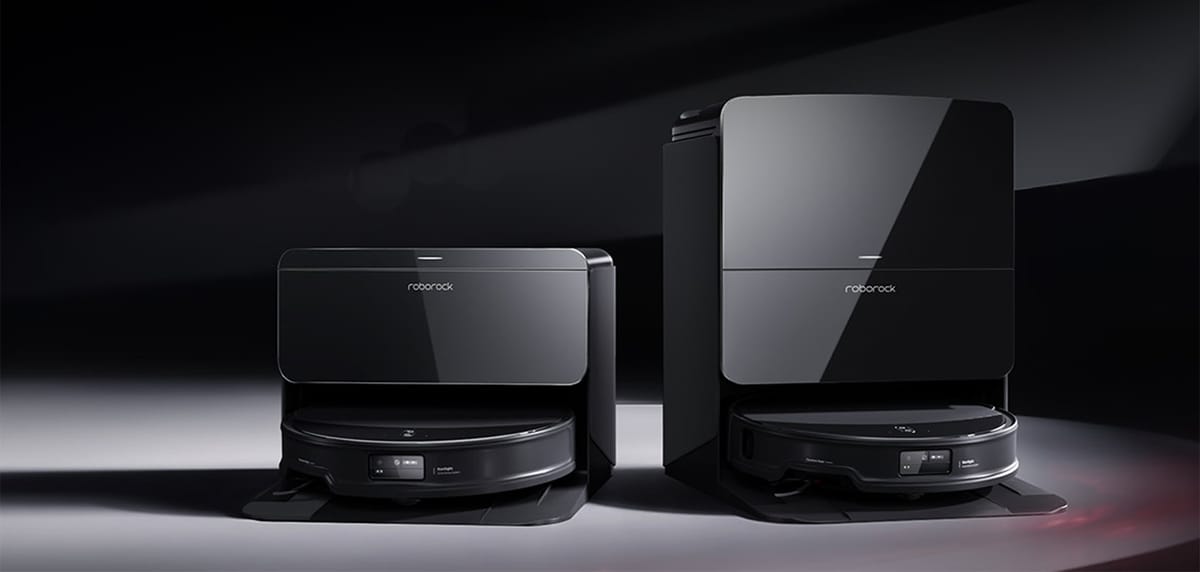
Chinese robotics manufacturers strengthened their grip on the global smart vacuum cleaner market in the second quarter of 2025, with Roborock Technology maintaining its leading position as total shipments reached 6.17 million units, representing a 20.5% year-over-year increase, according to International Data Corporation's Global Quarterly Smart Home Device Tracker.
The top five brands are now all Chinese companies, marking a significant shift in market dynamics as traditional leader iRobot continues to lose ground. Roborock Technology shipped 1.34 million units in Q2, while Ecovacs achieved 870,000 units with 35.9% growth.
Market concentration among leading brands continues to intensify, with new entrants like DJI entering the competitive landscape. Despite strong growth, global penetration rates remain relatively low, particularly in emerging markets, suggesting substantial room for future expansion.
The competitive reshuffling reflects broader technological advances in artificial intelligence and robotic arm integration, with premium models now commanding prices approaching $3,000 while entry-level products have dropped to several hundred dollars.
Roborock Extends Global Leadership
Roborock Technology shipped 1.34 million units in Q2 2025, bringing its first-half total to 2.33 million units with 67.9% year-over-year growth. The company has achieved market-leading positions across multiple international regions, including the Nordic countries, Germany, South Korea and Turkey, with market share exceeding 50% in some territories.
In North America, Roborock's shipments grew 65.3% year-over-year, with distribution covering more than 700 cities. The company has demonstrated capability to customize product features based on regional consumer preferences, supporting its international expansion strategy.
Chinese Brands Claim Top Five Positions
Ecovacs Robotics secured second place with 869,900 units shipped in Q2, achieving 35.9% growth through its diversified product portfolio and focus on premium product lines. The company leveraged offline retail advantages to strengthen its international presence, increasing global market share to 14.1%.
Dreame Technology captured the top position in Europe with 377,000 units and 25.5% regional market share. The company also posted strong growth in Middle East, Africa and North American markets, with its latest premium models featuring enhanced artificial intelligence and bionic robotic arm technology.
Xiaomi maintained stable market share with 629,800 units shipped globally, continuing strong performance in mid-range segments. The company leverages brand recognition, cost advantages and distribution networks to solidify its position in emerging markets.
Narwal entered the global top five for the first time with 524,200 units and 8.5% market share, focusing on regions with lower market penetration through differentiated strategies. The company plans to prioritize emerging markets in its future global expansion.
iRobot Loses Ground to Chinese Competitors
iRobot's market position continued deteriorating, with Narwal surpassing the U.S. company's ranking after iRobot fell to fifth place in Q1 with 30.6% declining shipments. In the American market, iRobot faces multiple challenges including average selling prices dropping to $385, persistent innovation delays, and high North American supply chain costs that collectively undermine its price competitiveness.
The market dynamics reflect broader technological shifts, with IDC research manager Jitesh Ubrani noting significant price optimization across product tiers. Entry-level models now cost several hundred dollars, making smart vacuum cleaners accessible to broader consumer bases, while premium models with advanced AI, robotic accessories and enhanced mopping functions approach $3,000 pricing.
IDC forecasts continued market growth driven by artificial intelligence advances and robotic arm integration, particularly as rising labor costs make premium products attractive to consumers in mature markets.