
Unitree Robotics CEO Says AI Hardware Ready, But Models Lag Behind at Bund Summit
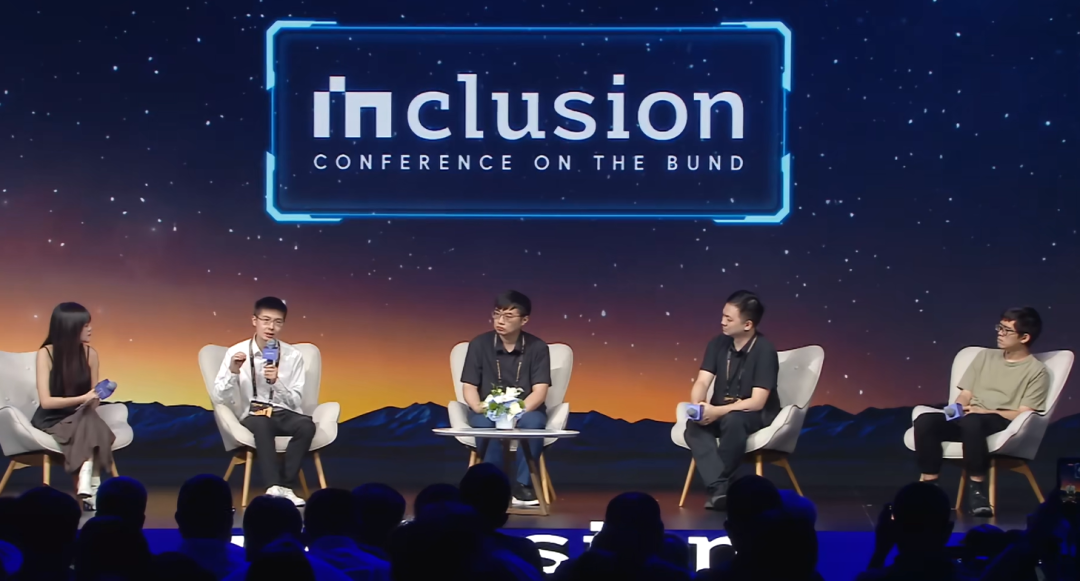
Unitree Robotics Technology founder and CEO Wang Xingxing delivered a sobering assessment of artificial intelligence's practical applications at the 2025 Bund Summit, arguing that while hardware capabilities are sufficient, AI models remain unable to effectively utilize existing technology for real-world tasks.
Speaking at the Shanghai conference on September 11, Wang described the field of AI performing actual work as a "desert with just a few blades of grass," suggesting the explosive growth phase has yet to arrive. The robotics executive emphasized that current hardware, even equipment from one to two years ago, is adequate for AI applications.
However, Wang highlighted significant challenges in AI model capabilities, particularly in multimodal fusion and the integration of language and visual control systems for robotic applications. He noted that while pure language and video models perform well individually, combining these modalities effectively remains a major hurdle.
The comments from the head of one of China's leading robotics companies underscore the gap between AI's impressive performance in information processing and its practical deployment in physical tasks, a critical challenge for the robotics industry's commercial ambitions.
Data Collection Remains Undefined Challenge
Wang identified data acquisition as a fundamental obstacle facing the robotics industry, noting the absence of established standards for data collection quality, scope, and methodology. He emphasized that the industry lacks clarity on what constitutes high-quality data, optimal collection volumes, and appropriate data types for training robotic systems.
The CEO stressed the importance of maximizing data utilization efficiency through improved model understanding capabilities, suggesting that more sophisticated models could reduce data requirements by identifying valuable information patterns. He compared this approach to language models, which often require specific characteristic data rather than simply large volumes of information.
Multimodal Integration Poses Technical Hurdles
Despite advances in individual AI domains, Wang highlighted the persistent challenge of multimodal fusion in robotics applications. He noted that while pure language and video generation models achieve impressive results, integrating text-based control with visual and physical manipulation remains problematic.
Wang cited dexterous hand control as an example of current limitations, explaining that AI systems struggle to utilize sophisticated hardware effectively beyond simple grasping motions. He described the coordination required for complex manipulation tasks as "very challenging" for current AI capabilities, encompassing both data collection and sophisticated control requirements.
The executive also pointed to video generation for household tasks as another area where model-to-hardware alignment presents significant technical obstacles, despite promising video generation capabilities.
AI Work Applications Still in Early Stages
Reflecting on his decade-plus experience in robotics since beginning with bipedal robots in 2009, Wang acknowledged that AI development has exceeded previous expectations while maintaining that practical applications remain nascent. He described his own missed opportunity in AI development, having abandoned early interest in the field in 2011 when it appeared to offer limited practical applications.
Wang characterized the current moment as offering renewed opportunities to bridge AI capabilities with practical work applications, noting that while language models now surpass 99.99% of humans in information processing tasks, the field of AI performing physical work remains underdeveloped.
He described the era as offering equal opportunities for individuals willing to pursue ambitious goals, suggesting that the current "desert" phase could support significant future growth for those positioned to capitalize on emerging capabilities.