
DJI Rattles Market With Deep Discounts, Triggering Backlash and Competitor Moves
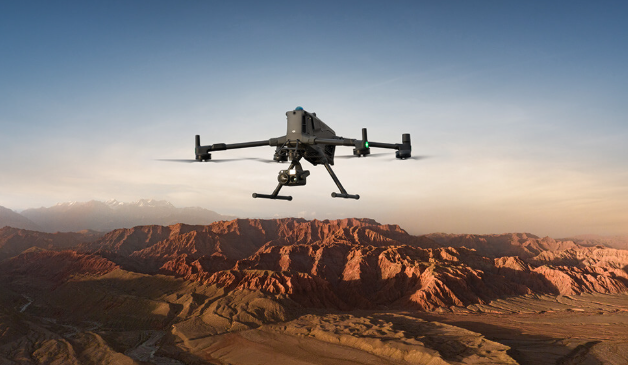
SZ DJI Technology , the world’s dominant civilian drone maker, has upended its long-held premium pricing strategy with surprise discounts on popular products, a move that has sparked customer anger and signals a new phase of intense competition in the consumer electronics market.
The deep price cuts, which the company describes as a routine promotion for China’s upcoming “Singles’ Day” shopping festival, affect multiple product lines, including aerial drones and handheld gimbal cameras. For its popular Osmo Pocket 3 camera, discounts reach as high as RMB 900 yuan (approximately US$125), an unprecedented move for a top-selling device that has never previously been on sale.
While DJI insists the adjustment is a standard sales tactic, the abrupt change has drawn accusations of “backstabbing” from customers who recently paid full price. In response to the public outcry, online and offline retailers are now scrambling to offer compensation, refunds, and other subsidies to placate recent buyers.
The strategic pivot has also drawn immediate fire from rivals. The CEO of key competitor Arashi Vision Inc, commonly known as Insta360, publicly suggested the price war was a reaction to its own market pressure and countered by offering vouchers to recent DJI purchasers, underscoring the escalating battle for market share in the smart imaging sector.
Scramble for Compensation
Following the price drop, DJI’s sales channels have implemented varying and complex compensation policies. On major e-commerce platforms like JD.com and Taobao, price protection and return policies differ, with some customers offered partial cash refunds while others can return products within a 30-day window if the packaging is intact.
Offline channels face a more difficult situation. Retailer Sam’s Club announced special subsidies for members who purchased the affected products between October 2 and October 8. A DJI authorized store in Guangzhou told local media it would offer compensation, such as extended warranty plans or free accessories, to customers who bought within the last month. However, the process is complicated, with one store employee revealing that compensation would be deducted from the original salesperson's commission, requiring customers to return to their point of purchase.
In a statement, DJI said it is actively communicating through all channels to provide users with clear guidance and necessary support. Legally, the move is a commercial choice rather than a violation of law, according to You Yunting, a senior partner at Shanghai Dabang Law Firm. “The price drop may not meet consumer expectations and could affect brand loyalty,” he noted, “but the law does not restrict it unless a seller has broken a prior promise.”
A Shift in Strategy
The backlash stems largely from DJI’s established reputation for price stability and market leadership. For years, the company has maintained a robust pricing structure, and its products are rarely subject to significant discounts. The sudden reduction on a flagship item like the Osmo Pocket 3, released in October 2023, has broken this unwritten rule.
"This move shatters the long-held consumer and public perception of DJI as a brand with firm prices and leading products," said Zhang Yi, CEO and chief analyst at iiMedia Research.
The company has denied market speculation that the discounts are intended to clear inventory ahead of a new product release, stating that rumors of an "Osmo Pocket 4" are false. Instead, analysts believe the price adjustment is a calculated response to a fundamental shift in the market environment, forcing DJI to adopt a more flexible strategy to defend its position.
Red Ocean Competition
Once a blue-ocean market, the global smart imaging device sector has become a highly competitive red ocean. According to data from Head Leopard Research Institute, the top three companies—Insta360, GoPro, and DJI—accounted for a combined 78.9% of the market in 2024. However, market dynamics are shifting rapidly.
Data shows that from 2024 to 2025, Insta360’s market share grew from 28.4% to 35.6%, while GoPro’s fell from 38.2% to 30.1%. During the same period, DJI’s share slipped from 19.1% to 13.2%. The competitive pressure is intensifying from both existing players and new entrants. In July, Insta360 announced its entry into the drone market, and smartphone giants like vivo and OPPO are reportedly planning to launch their own handheld gimbal cameras.
"With peers closing in, DJI's market share is already under pressure," said Zhang. He believes the company is now employing a "price-for-volume" strategy to maintain its market footprint in the face of these challenges. Early signs suggest the tactic may be working, with DJI’s offline stores reportedly seeing increased foot traffic and customer interest in the newly discounted products.
Future of the Imaging Market
Looking ahead, the smart imaging market is projected to enter a mature phase after 2025, characterized by slowing growth, intensifying competition, and product homogenization. While DJI continues to benefit from strong brand recognition and deep technical expertise, analysts note it must innovate to build a new competitive moat.
For new players, a mature supply chain has lowered the barrier to entry, but unseating established leaders with strong brand loyalty and technological advantages remains a formidable challenge. "Overall, the smart imaging market still has huge growth potential," Zhang concluded, "but the future industry landscape is subject to significant variables."