
EU's Minimum Import Price Framework Reshapes Chinese EV Market Access Beyond Blanket Tariffs
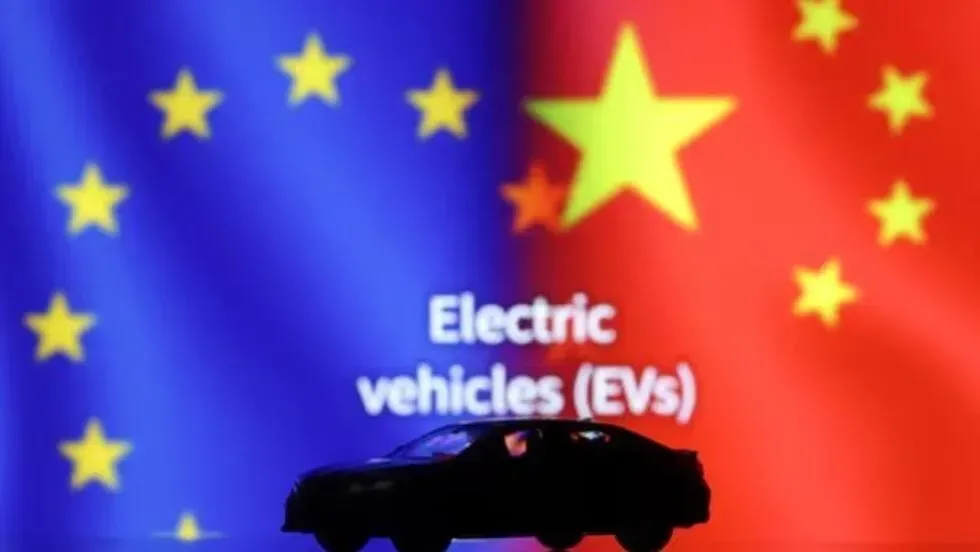
The European Union's newly published guidance on price undertaking applications marks a tactical shift in the bloc's approach to Chinese electric vehicle imports. Rather than simply enforcing punitive duties reaching 45.3%, Brussels now offers manufacturers an alternative compliance pathway through Minimum Import Price (MIP) commitments—a mechanism that transforms the trade friction from tariff walls into negotiated market conditions. This transition reflects Europe's recognition that blunt protectionism carries significant costs: inflated consumer prices, strained diplomatic relations, and potential retaliation against European automotive exports.
Price Floors Replace Percentage Levies in New Compliance Architecture
The MIP framework operates through two calculation methodologies. First, regulators may anchor minimums to investigation-period CIF values plus the equivalent anti-subsidy duty amount, effectively converting tax liabilities into pricing obligations. Second, benchmarking against comparable non-subsidized EVs sold within the EU—incorporating distribution costs, administrative expenses, and "reasonable profit margins"—establishes floor prices that theoretically eliminate competitive distortions from state support.
This per-model, per-configuration pricing structure demands granular compliance infrastructure. A single automaker's European portfolio might require dozens of distinct price commitments, each subject to ongoing monitoring. The administrative burden intentionally discourages gaming the system through cross-subsidization between vehicle lines. Brussels maintains veto authority over proposals it deems insufficiently specific or verifiable, creating asymmetric negotiating leverage.
The existing tariff structure remains operative as the default mechanism: BYD faces 17.0%, Geely 18.8%, SAIC 35.3%, with Tesla's Shanghai operations at 7.8%. These differentiated rates—stacked atop the standard 10% EU import duty—reflect each company's cooperation during the anti-subsidy investigation. Manufacturers opting into MIP arrangements essentially trade pricing flexibility for tariff relief, a calculation that proves attractive only for brands maintaining sufficient margin cushion in premium segments.
Local Manufacturing Commitments Become Bargaining Currency
Investment pledges now function as material considerations in price undertaking evaluations. The guidance explicitly values commitments detailing annual shipment volumes, facility construction timelines, capital deployment schedules, and verifiable production milestones. This quid pro quo arrangement aligns with Europe's strategic objective: reshaping regional supply chains by incentivizing Chinese manufacturers to establish European production bases rather than simply exporting finished vehicles.
Germany accounted for approximately 20% of EU automotive sales in recent periods, followed by Spain, Czech Republic, and France. Chinese-manufactured vehicles captured 6% of the EU market in H1 2025, up from 5% the previous year, with projections suggesting this could double to 10% by 2030 according to AlixPartners. In November alone, Chinese brands held a record 12.8% share of Europe's EV segment specifically, demonstrating concentrated strength in electrified categories even as overall penetration remains modest.
The local production requirement carries enforcement teeth. Failure to meet agreed investment milestones could trigger retroactive tariff collection, converting the MIP from a trade facilitation tool into a contingent liability. For capital-intensive manufacturers like BYD and Geely—already operating or constructing European plants—this adds regulatory certainty. For smaller exporters lacking balance sheet capacity for overseas expansion, the framework effectively cements incumbency advantages.
Beijing Frames Agreement as WTO-Compliant Multilateralism
China's Ministry of Commerce emphasized the outcome adheres to non-discrimination principles and World Trade Organization rules, framing the arrangement as negotiated market access rather than capitulation. This narrative matters for domestic legitimacy and sets precedent for similar disputes with other jurisdictions. The agreement allows Chinese automakers to maintain European positioning without the margin destruction that 35%+ tariffs would impose, particularly in competitive mid-market segments where pricing elasticity determines volume.
The strategic calculus differs by manufacturer. Premium brands with average transaction prices above €45,000 can more easily absorb MIP floors that preserve margin structures. Volume players competing at €25,000-€35,000 face tighter constraints, where even modest price increases trigger demand destruction. European Automobile Manufacturers Association data showing domestic producers still control 74% of regional sales underscores that Chinese brands remain price takers rather than price setters outside luxury niches.
The undertaking mechanism's complexity—requiring detailed financial disclosures, production cost breakdowns, and pricing analytics for regulatory review—also functions as a non-tariff barrier. Compliance infrastructure costs favor larger, financially sophisticated organizations over entrepreneurial startups, potentially consolidating the competitive landscape around established players already navigating international regulatory frameworks.
By ChinaBiz Insider Analysis Desk