
Figure Founder Publicly Questions Ubtech's Robot Production Video, Sparking Industry Debate
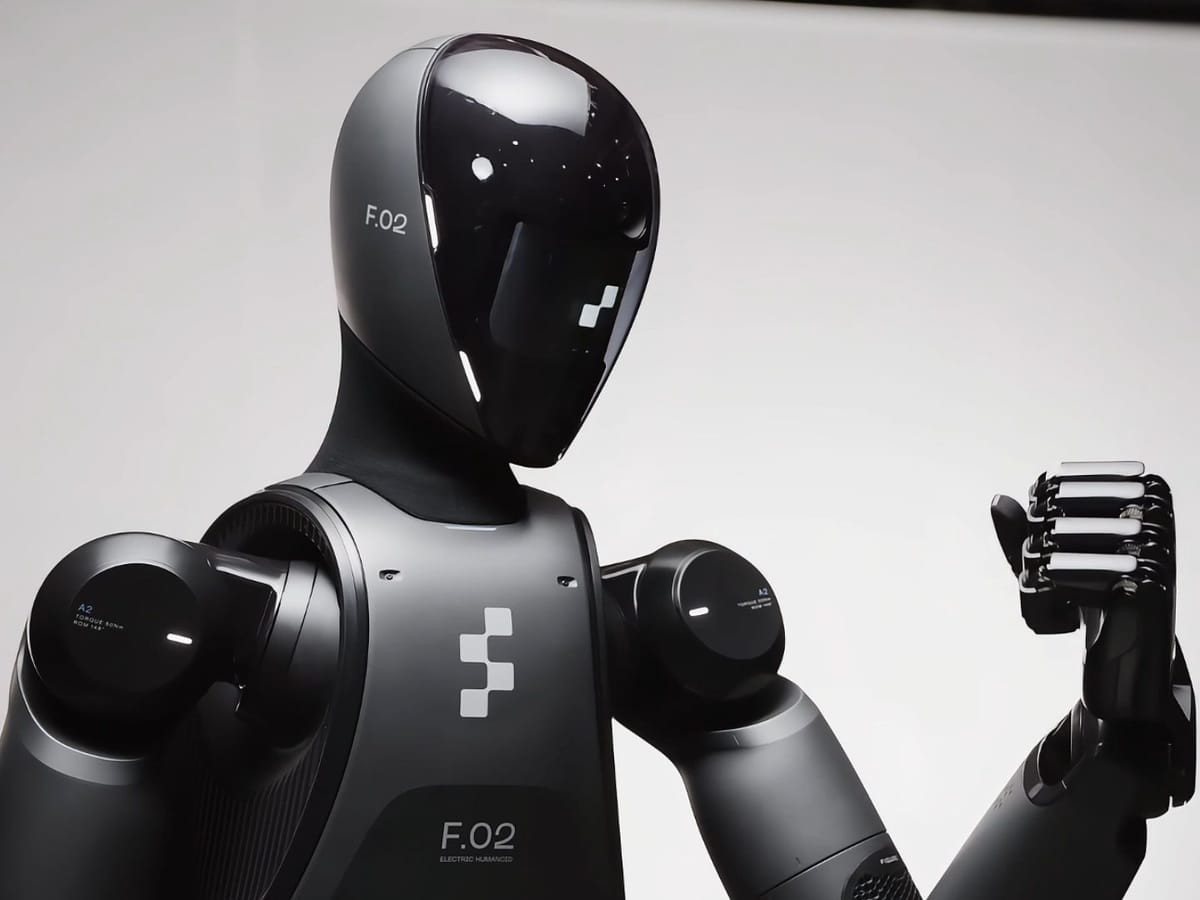
A public dispute over production capabilities has emerged in the humanoid robotics sector, highlighting mounting pressures as companies race toward mass manufacturing. Brett Adcock, founder of Figure AI, openly challenged the authenticity of production footage from Ubtech Technology, claiming computer-generated effects were used, before the Chinese robotics firm released additional videos to counter the allegations.
The controversy erupted after Ubtech published footage last week showing dozens of its Walker S2 industrial humanoid robots in formation, demonstrating battery swapping and coordinated movement. Adcock conducted a frame-by-frame analysis and posted on X that the video was "very likely CGI," citing inconsistent light reflections between robots in the front and back rows.
The public questioning from Figure's founder drew significant attention given his company's stature as the world's highest-valued robotics firm. Figure raised over 1 billion in Series C funding on September 16, reaching a valuation of approximately 270 billion yuan (US$ 37.5 billion). The exchange underscores intensifying competition as the industry shifts focus from technical demonstrations to commercial deployment.
Ubtech responded by releasing two additional videos showing workers moving among the robot array and continuous drone footage of the factory floor. The company had announced on November 10 orders worth 159 million yuan for Walker S2 units, with delivery expected in November, and said total Walker orders for the year exceeded 800 million yuan.
Industry Races Toward Mass Production
The humanoid robotics sector has accelerated its push toward commercialization following major advances in mobility capabilities late last year. Companies across the globe are now setting ambitious manufacturing targets, with 2026 emerging as a critical window for scaled production.
Figure unveiled its Figure 03 model last month with plans to manufacture 100,000 units over four years. Tesla Inc. aims to build a production line capable of producing one million Optimus robots annually by 2026 at its Fremont facility, targeting unit costs below $20,000, before scaling to 10 million units. Xpeng, which recently launched its IRON humanoid robot, plans to begin mass production next year.
The rapid timeline reflects growing pressure from investors and customers who increasingly question the commercial viability of robots that excel in demonstrations but lack real-world deployment. Social media commentary on robotics videos frequently emphasizes demand for practical applications over technical showcases.
Collaboration Pressures Mount
Industry observers suggest that early-stage competitive tensions may prove counterproductive for a sector still grappling with fundamental challenges. Data collection, model training, and manufacturing costs remain significant barriers to widespread adoption of humanoid robots in homes and businesses.
The past year has seen increased open-sourcing of datasets and AI models specifically aimed at accelerating robotics development through shared resources. Such collaborative efforts reflect recognition that the industry requires coordinated progress rather than isolated advances by individual companies.
As manufacturers invest heavily in artificial intelligence capabilities to ensure their mass-produced robots possess sufficient autonomy to justify commercial deployment, the industry faces a delicate balance between competitive positioning and collective advancement. The sector's ability to expand the overall market will likely depend on maintaining cooperative development frameworks even as companies vie for leadership positions.