
Hesai Pivots From EV Lidar to Spatial Intelligence Amid Auto Margin Squeeze
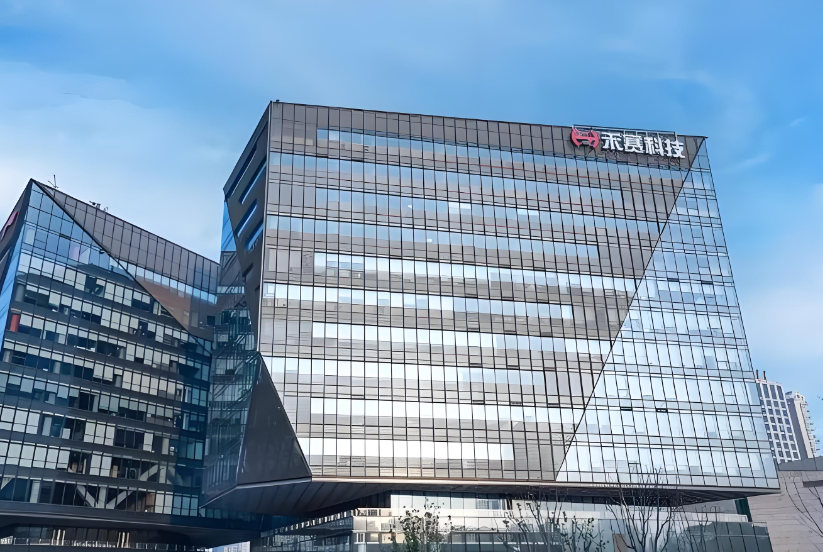
Hesai Technology is fundamentally repositioning itself from an automotive lidar supplier to a spatial intelligence platform, aiming to capture the broader physical AI and robotics markets as margin pressures intensify in China's electric vehicle sector.
Unveiling its strategic pivot on April 17, 2026, the company launched a 6D full-color lidar sensor chip, the Picasso SPAD-SoC, alongside a consumer-facing spatial hardware device named Kosmo and a new robotics power module. This transition marks a critical shift from pure hardware manufacturing to system-level spatial data generation and execution.
The move reflects a growing consensus across the automotive supply chain that the EV hardware boom has matured. With lidar units increasingly commoditized to around RMB 1,000 (US$139) and automakers aggressively cutting bill-of-materials (BOM) costs, market analysts are closely evaluating lidar manufacturers' ability to diversify revenue streams beyond the cyclical auto industry.
Escaping the EV Margin Trap
For years, Hesai capitalized on China's EV surge, securing high-volume integrations with manufacturers including Li Auto, Xpeng, Nio, and Great Wall Motor. However, the narrative of being the primary “pick-and-shovel” provider for smart vehicles has reached a structural ceiling.
Intense price wars among domestic automakers, combined with the continued viability of pure-vision autonomous driving systems, have significantly eroded the pricing power of lidar suppliers. Procurement priorities for OEMs have decisively shifted from technical superiority—such as maximum detection range—to pure cost efficiency. By transitioning from “spatial perception” to “spatial intelligence,” Hesai implicitly acknowledges that standalone sensor hardware is subject to an inevitable race to the bottom.
Targeting the Physical AI Ecosystem
Hesai’s introduction of the Picasso SPAD-SoC integrates previously fragmented capabilities into a single chip, significantly reducing physical footprint, power consumption, and production costs. This level of chip integration serves as a key technical prerequisite for entering consumer and robotics markets.
The newly launched Kosmo device functions as a pocket-sized 3D camera capable of capturing the physical world and generating high-value spatial data for training physical AI world models. Concurrently, by introducing robotics power modules, Hesai expands its scope from sensory input to physical execution systems. Analysts note that while the automotive market depends on a concentrated base of OEM clients, the robotics and consumer electronics sectors represent a significantly larger addressable market, potentially reaching hundreds of millions of units.
Navigating the B2C Transition
Transitioning from a business-to-business automotive Tier-1 supplier to a consumer-facing technology ecosystem introduces distinct organizational challenges. The consumer market demands rapid iteration, user-centric product definition, and robust ecosystem development—capabilities fundamentally different from meeting stringent, long-cycle automotive-grade standards.
Industry observers suggest that robotics may serve as a pragmatic bridge for Hesai, combining B2B procurement logic with consumer-scale growth potential. Ultimately, the success of this strategic pivot will depend on whether Hesai can identify compelling use cases for Kosmo and establish itself as a standardized platform provider for perception and execution, rather than remaining a commoditized component vendor.
Related Coverage:
China’s Auto Sector Faces Profitless Growth as Upstream Suppliers Siphon EV Margins