
How Ninebot Cracked China’s Electric Two-Wheeler Market
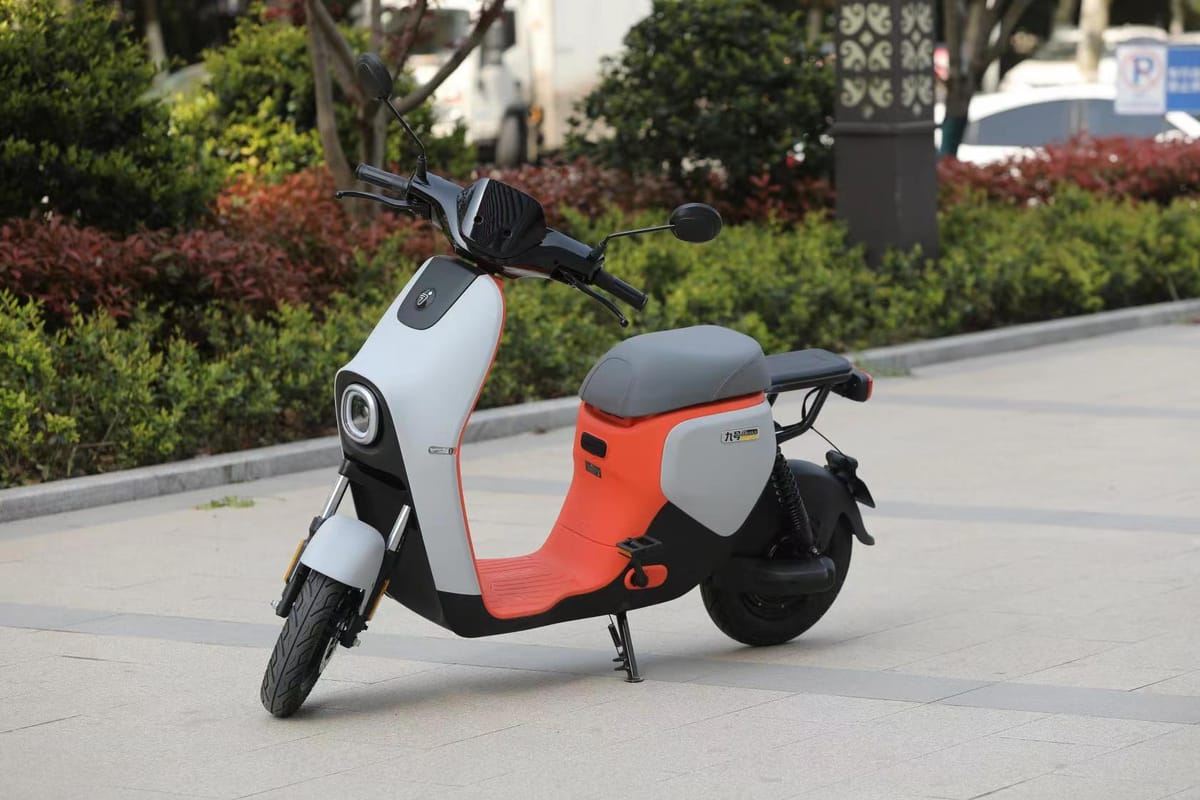
Ninebot Company has successfully repositioned itself from a niche manufacturer of self-balancing scooters into a dominant player in China’s competitive electric two-wheeler (E2W) sector. By leveraging proprietary robotics technology and adopting a direct-to-consumer channel model, the company has disrupted a mature industry previously characterized by price wars and low-tech utility, effectively operating as a "new force" similar to electric vehicle startups challenging legacy automakers.
The strategic pivot comes as the market undergoes significant structural changes in 2025, driven by strict regulatory standards and shifting demographics. Ninebot has capitalized on the dual trends of "smartification" and the rise of younger consumers who view mobility devices as consumer electronics rather than mere tools. This shift has allowed the company to bypass the stagnation observed in its legacy kick-scooter and hoverboard businesses, which faced growth ceilings globally.
The impact on the sector mirrors the transition from feature phones to smartphones, fundamentally altering the perceived value of two-wheelers. While competitors like Niu Technologies pioneered the concept of premium E2Ws, Ninebot has accelerated the integration of intelligent features—such as Over-the-Air (OTA) updates and autonomous locking—pressuring traditional manufacturers to innovate. This technological spillover has reshaped investor expectations for the sector, transforming it from a commoditized hardware industry into a tech-driven ecosystem.
Prior to this expansion, Ninebot’s growth was constrained by the niche nature of its core products in overseas markets. Recognizing the limitations of the self-balancing scooter market—often viewed by global consumers as "toys" with capped utility—the company utilized the window opened by China’s "New National Standard" policy to penetrate a market with massive volume and recurring replacement cycles.
Escaping the Niche Trap
The catalyst for Ninebot’s strategic overhaul traces back to 2017, a watershed period where its dependence on the Xiaomi ecosystem and global hoverboard sales exposed vulnerabilities. despite possessing operational experience in international markets and strong manufacturing efficiency, the company faced a patent reality: the global market for self-balancing scooters and kick-scooters was relatively small. These products were perceived primarily as recreational devices or "toys" in Western markets, with stabilized consumption scenarios and intensifying competition.
Ninebot risked being pigeonholed as "the cool hoverboard company," a branding trap that limited its total addressable market despite its accumulation of technical assets. In contrast, China’s domestic E2W market offered scale, high frequency of use, and a clear replacement cycle—attributes highly coveted by technology firms seeking mass adoption.
Regulatory Catalysts and Market Gaps
The implementation of the "New National Standard" for electric bicycles in 2019 served as the fundamental driver for industry reshuffling. The policy mandated the phase-out of non-compliant vehicles and accelerated the transition from lead-acid batteries to lithium-ion solutions. This regulatory purge effectively reset the market, allowing new entrants to challenge entrenched leaders who were burdened by legacy inventory and low-end brand perceptions.
While the market was massive, it was technologically stagnant. Traditional incumbents relied on durability and low prices, leaving the "smart" segment largely vacant. Although Niu Technologies had successfully probed the high-end market, the broader sector had not yet seen a player capable of combining mass-market scale with genuine intelligence. Ninebot identified this gap, entering a fragmented market where demand was rigid but the supply of sophisticated products was insufficient.
Redefining the Product via Smartification
Ninebot’s entry strategy involved applying consumer electronics methodology to transportation hardware. Unlike traditional makers focused solely on range or load capacity, Ninebot embedded its E2W fleet with capabilities borrowed from the smartphone and robotics sectors. Features such as self-developed electronic control systems, sensor-based unlocking, and cloud-based data management redefined the user experience for a younger demographic.
The company deployed its existing R&D capabilities—specifically in motor control algorithms and energy management—to optimize vehicle performance, bringing high-end technology down to a consumer price point. This approach created a product differentiation that went beyond hardware specifications, positioning the vehicle as an intelligent terminal rather than a simple commuting tool.
Channel Efficiency and Brand Positioning
Beyond product innovation, Ninebot overhauled the traditional distribution model. Abandoning the multi-tiered dealership networks common in the industry, the company adopted a hybrid model combining direct experience stores with online sales. This "O2O" (Online-to-Offline) approach mirrors the retail strategies of major consumer electronics brands, ensuring consistent pricing and brand modulation.
This channel structure has improved operational efficiency by removing intermediate layers and allowing direct access to user data. For investors, the ability to capture high-frequency usage data drives long-term product optimization. By targeting high-tier city centers and younger consumers first, Ninebot established a premium foothold before expanding downward, securing a strategic advantage in the industry’s most critical growth segment.