
Huawei, Seres Restructure AITO Partnership as Surging Smart Hardware Costs Squeeze EV Margins
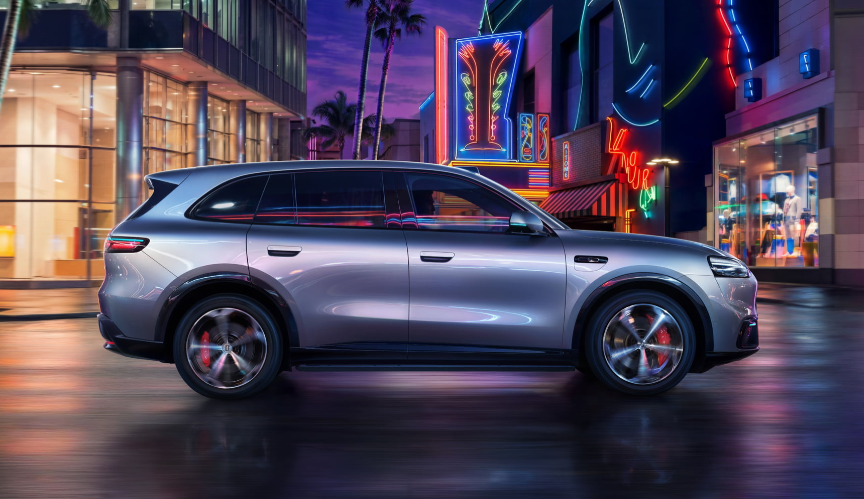
Huawei Technologies and Seres Group are radically overhauling their flagship AITO electric vehicle partnership, transferring primary operational and marketing control back to the automaker as surging semiconductor costs dismantle traditional automotive economies of scale.
Under the revised agreement finalized this week, AITO remains within Huawei’s Harmony Intelligent Mobility Alliance (HIMA), but Seres reclaims autonomy over enterprise operations, product definition, and supply chain procurement. Huawei will transition into a traditional tier-one technology enabler, supplying its Qiankun autonomous driving and smart cabin systems. Markets reacted cautiously to the untangling of the five-year alliance, with Seres shares slipping roughly 5% as investors weighed the automaker's newfound independence against tightening industry profit margins.
Soaring Memory Chip Prices Erase Scale Advantages
The restructuring exposes a fundamental shift in EV manufacturing economics in 2026: software and smart hardware have officially surpassed batteries as the primary cost driver. Financial pressures acted as the catalyst for redefining the AITO contract.
Seres reported a net loss of RMB 2.3 billion (US$333.3 million) for the first half of 2026, a stark reversal from the RMB 3 billion profit recorded in the same period last year. Management attributed the deficit directly to aggressive price hikes in the memory chip sector. According to supply chain data, memory component inflation added approximately RMB 14,000 (US$2,029) to the bill of materials (BOM) of each high-density smart vehicle in H1.
Across the 180,000 AITO units delivered in the first six months, this hardware premium generated an unbudgeted RMB 2.52 billion (US$365.2 million) in hard costs—mirroring the automaker's total H1 losses almost exactly. With semiconductor suppliers dictating terms amid the ongoing global AI hardware boom, auto executives anticipate a further RMB 3,000 (US$435) per-vehicle cost increase in the second half of the year, rendering the century-old automotive logic of "profit through volume" temporarily obsolete.
Restructuring Terms Shift Financial Burdens
The revised contract strips away layers of hidden operational costs that had strained the joint ledger. Moving forward, Seres will no longer bankroll HIMA’s overarching brand marketing campaigns, paying strictly for the Huawei Qiankun smart technology it integrates.
Simultaneously, Huawei is initiating a tactical retreat from retail and physical operations. The tech giant is expected to withdraw AITO displays from its flagship consumer electronics showrooms and pull back its heavily deployed product and marketing personnel from Seres facilities in Chongqing and Guangzhou. Industry analysts also anticipate changes to branding optics, potentially phasing out Huawei’s "Ultimate Design" logo on top-tier trims like the AITO M9, or shifting to a paid licensing model.
Huawei Recalibrates Mega-Supplier Strategy
For Huawei, relinquishing control over AITO represents a calculated strategy to consolidate brand equity and avoid the monopolistic pitfalls experienced by other Chinese mega-suppliers. Over the past five years, the AITO project successfully validated Huawei’s automotive capabilities, elevating Seres to a peak valuation of RMB 300 billion (US$43.48 billion) while saving Huawei’s consumer business group during a critical period of smartphone retail contraction.
However, as HIMA expanded rapidly to encompass multiple joint ventures—including Luxeed and Stelato—Huawei stretched its engineering and marketing bandwidth. Managing production prioritization and unified brand perception across five distinct automakers proved unsustainable. The financial architecture of heavily subsidizing auto partners while demanding premium component pricing reached its ceiling.
By restructuring the AITO deal, Huawei is preempting the industry backlash previously directed at battery giant CATL. As automakers increasingly diversify procurement to avoid over-reliance on single dominant suppliers, Huawei’s decision to cede control to Seres establishes a more sustainable, decentralized supplier ecosystem. The move allows Huawei to focus its capital on refining its autonomous driving IP while giving its most successful automotive partner the operational runway to navigate a brutal macro environment.