
Pony.ai and GAC Lingcheng Target European Logistics With L4 Autonomous Electric Truck
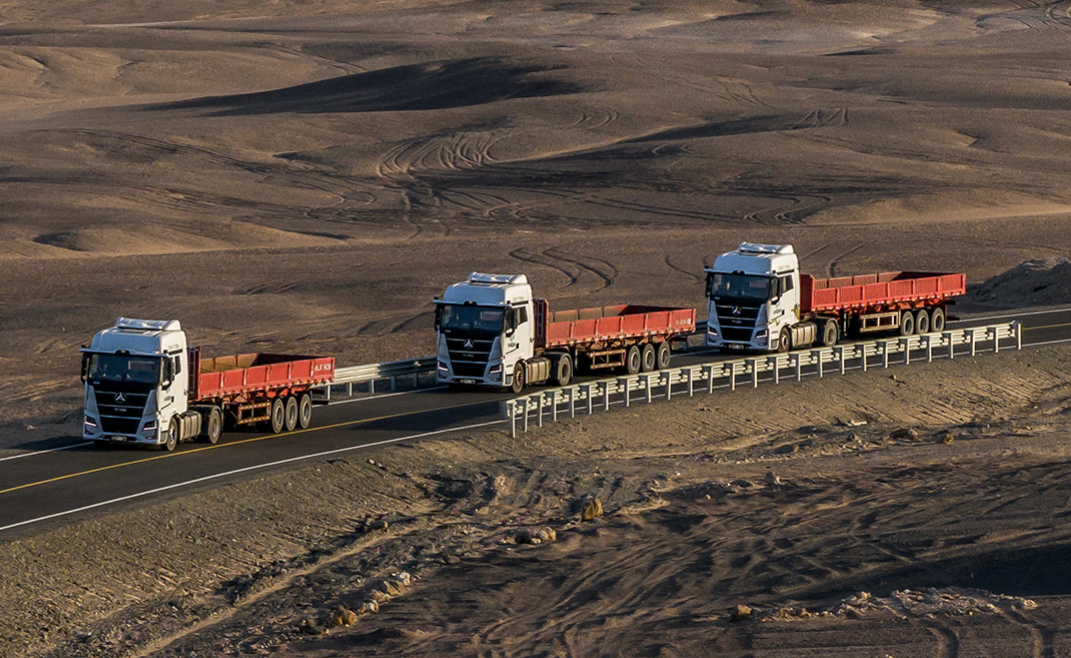
Chinese autonomous driving developer Pony.ai and commercial vehicle manufacturer GAC Lingcheng have formally entered the global autonomous freight race, debuting a jointly developed Level 4 (L4) electric heavy-duty truck at the IAA Transportation show in Hanover on September 14.
The launch marks a critical inflection point for China's autonomous vehicle sector, shifting the focus from domestic pilot programs to international commercialization. With mass production slated for late 2026, the joint venture outlined a two-year strategic roadmap to deploy self-driving fleets across Europe and the Middle East, directly targeting logistics markets currently paralyzed by severe commercial driver shortages and escalating labor costs.
Market analysts note that this rollout differentiates itself from standard vehicle exports. By combining an advanced artificial intelligence system with a proprietary electric chassis, Pony.ai is attempting to export a full-stack logistics ecosystem rather than competing solely on hardware pricing.
Slashing Bill of Materials Cost Signals Commercial Viability
The economic logic underpinning the new L4 truck relies on aggressive hardware deflation. According to company data, the Bill of Materials (BOM) cost for the autonomous driving suite has plunged 70% compared to Pony.ai's previous generation. This cost reduction is projected to lower the overall per-ton-kilometer transportation cost by 30%.
Built on GAC Lingcheng's T9 pure electric heavy truck platform, the vehicle is equipped with Pony.ai’s fourth-generation L4 system. To meet stringent safety standards, the truck utilizes a fully redundant drive-by-wire chassis architecture across six core systems: steering, braking, communication, power, computing, and sensors. The sensor payload includes nine LiDARs, three millimeter-wave radars, and 13 cameras, providing 360-degree blind-spot-free perception. The computing power is managed by the same domain controller utilized in Pony.ai’s seventh-generation Robotaxi.
Aerodynamic efficiencies further enhance the operating economics. The integration of autonomous energy-saving algorithms with the T9 platform's 0.4Cd drag coefficient yields an estimated 10% reduction in energy consumption compared to traditional trucks.
The joint venture plans to scale production to a thousand-unit capacity within 2026, initially targeting trunk logistics, dedicated route freight, and port transportation.
Navigating Europe's Fragmented Regulatory Terrain
While the hardware is production-ready, the deployment strategy in Europe faces significant regulatory friction. Currently, only a handful of European nations have enacted legislation permitting the testing of highly autonomous vehicles on public roads. Pony.ai is adopting a phased market-entry approach, with the company's truck division management confirming active negotiations with multiple European transport ministries and port authorities for testing licenses.
To support its regulatory applications, Pony.ai is leveraging extensive operational data from its domestic market. The company currently operates hundreds of L4 trucks across multiple commercial routes in China, including fully unmanned operations and complex-scenario data collection fleets.
Pivoting From Hardware Exports to Ecosystem Integration
The Hanover debut positions Pony.ai and GAC Lingcheng against a crowded field of Chinese manufacturers expanding into Europe. Companies including BYD, Geely's Farizon, Sany, Sinotruk, and emerging startups like Windrose and SuperPanther are already deploying or preparing to sell pure electric trucks in the European market.
However, the Pony.ai-GAC alliance is banking on a differentiated "autonomous system plus vehicle platform" model. This aligns with GAC Lingcheng's broader strategic pivot from simple product exportation to ecosystem globalization. GAC Lingcheng, which reported a 205% year-on-year sales surge in the first half of 2026, plans to utilize parent company GAC Group's established sales and service network across 110 countries to facilitate localized maintenance and operations.
The aggressive timeline—moving from a strategic partnership signed on April 16, 2026, to a fully tested and validated product debut in just five months—highlights the accelerated pace of China's commercial EV sector. Yet, translating a thousand-unit production target into international revenue will require proving the L4 system's adaptability to Europe's diverse road conditions, distinct traffic regulations, and varying climates.