
JD.com’s Auto Push Stumbles as Buyers Reject Vehicles Over Misleading Specs and Hidden Terms
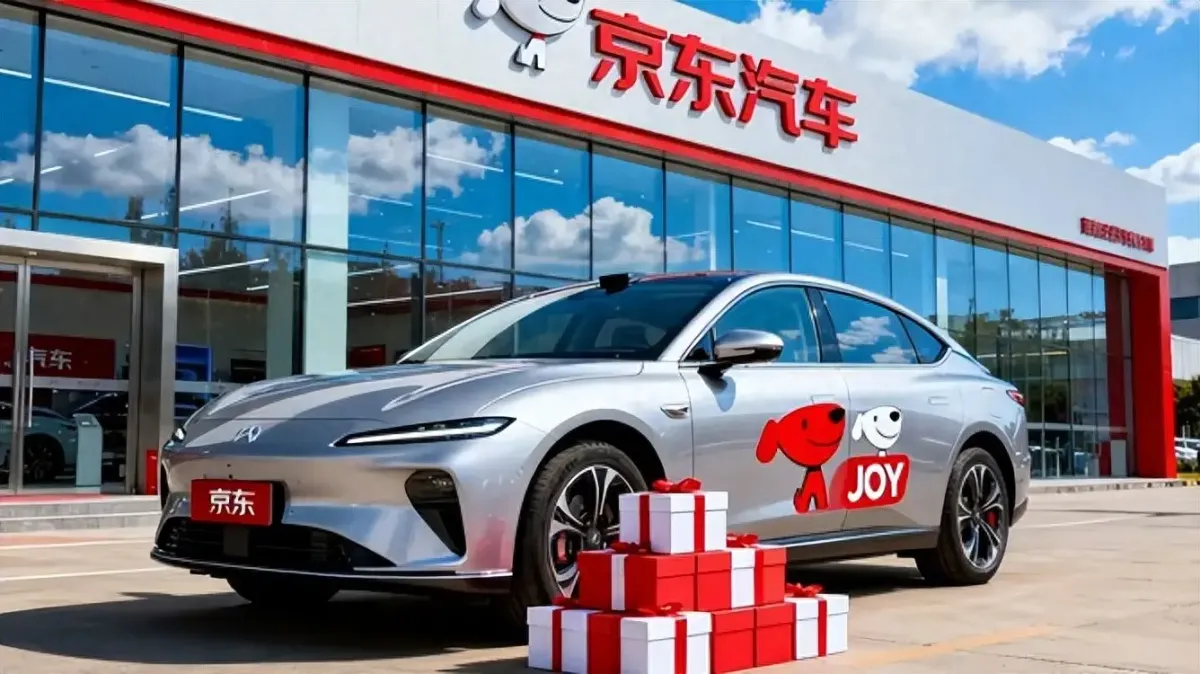
JD.com's ambitious expansion into automotive retailing has hit immediate turbulence, with its exclusive "mass-market" electric vehicle facing a wave of order cancellations and refund demands just days after deliveries began. The backlash stems from consumer allegations of material discrepancies between marketing materials and delivered vehicles, as well as undisclosed restrictions on battery usage, undercutting the e-commerce giant's attempt to disrupt the traditional car dealership model.
The controversy centers on the "Aion UT Super," a model co-launched with GAC Aion New Energy Automobile and Contemporary Amperex Technology. Following the commencement of deliveries on November 25, buyers immediately reported that the vehicles lacked sunroofs prominently featured in advertisements and confirmed by customer service agents. Additionally, consumers discovered unadvertised monthly mileage caps on battery leases and restrictive invoicing policies that disqualified them from certain regional government subsidies.
The operational stumble has forced JD.com to issue an apology and reverse its initial refusal to refund locked orders. The company attributed the configuration errors to the display of outdated information for older models and stated that misleading promotional images have been removed. While the platform has since agreed to process refunds for affected customers following social media outcry, the incident highlights the execution risks facing Chinese technology platforms attempting to streamline complex automotive sales through digital channels.
Configuration Discrepancies
The primary trigger for the consumer revolt involves a "bait-and-switch" allegation regarding hardware configurations. Marketing materials on the JD.com platform explicitly depicted the Aion UT Super with a sunroof, a feature cited by multiple buyers as a decisive factor in their purchase. Shoppers, including a customer identified as Ms. Luo, received confirmation from JD customer service that the feature was included. However, delivered vehicles arrived without sunroofs, and buyers were informed the option was not even available for installation.
Confusion extended to offline channels, with sales information differing between locations. While a Beijing experience center confirmed the lack of a sunroof, a buyer in Hainan was told by local staff that both versions were available. JD.com has since admitted that "some channels did not update the Aion UT old model information in time," leading to the mismatch. While the company initially cited "locked order" policies to deny refunds, it relented after a week of negotiations and rising public pressure.
Hidden Mileage Caps
Beyond hardware issues, financial terms regarding the vehicle’s battery-leasing model—a key selling point—have drawn sharp criticism. The vehicle was marketed with a battery rental option priced at RMB 399 yuan per month, down from the standard RMB 499 yuan, to lower the upfront purchase barrier. However, buyers discovered only after placing orders that this promotional rate imposes a strict 3,000-kilometer monthly usage limit, a restriction not disclosed in the initial launch presentation or prominent advertising.
Users exceeding this cap face additional charges of RMB 0.2 per kilometer, with unused mileage ineligible for rollover beyond the following month. JD.com defended the policy, stating that the 3,000-kilometer cap covers the needs of 90% of family users and helps distinguish private use from commercial operations. The company indicated it plans to launch "mileage add-on packs" for users with higher travel needs, but the lack of upfront transparency has damaged consumer trust.
Subsidy and Invoice Complications
The direct-sales model has also created bureaucratic hurdles impacting the final cost of the vehicle. Buyers reported being forced to have their purchase invoices issued in Shanghai or Guangzhou, regardless of their actual location. This administrative rigidity prevents customers in other regions from claiming potentially more lucrative local government subsidies. One consumer in Jiangsu noted that being unable to invoice locally meant forfeiting a roughly RMB 3,000 yuan local subsidy in favor of a smaller RMB 2,000 yuan subsidy offered through the JD partnership, effectively raising the net cost of the vehicle.
Partnership and Pricing Context
The Aion UT Super represents a strategic effort by JD.com, GAC Aion, and CATL to combine smart manufacturing, digital retail, and battery-swap ecosystems. The vehicle features a starting price of RMB 45,400 yuan for the battery−lease version and RMB 89,900 yuan for the full purchase option. It boasts a 500-kilometer range, cloud computing capabilities powered by Huawei Technologies, and support for 99-second battery swaps.
Despite the attractive specifications, the dispute over "locked orders"—where platforms refuse refunds once a deposit is paid—has invited legal scrutiny. Legal experts suggest that the validity of non-refundable clauses depends on whether the operator fulfilled their obligation to inform consumers of clearly defined terms. Industry observers note that for JD’s low-price automotive strategy to succeed, it must prioritize transparency and user value over marketing gimmicks to build a sustainable ecosystem.