
Li Auto CEO Unveils Next-Generation L9 SUV with Premium Livis Variant at $78,000
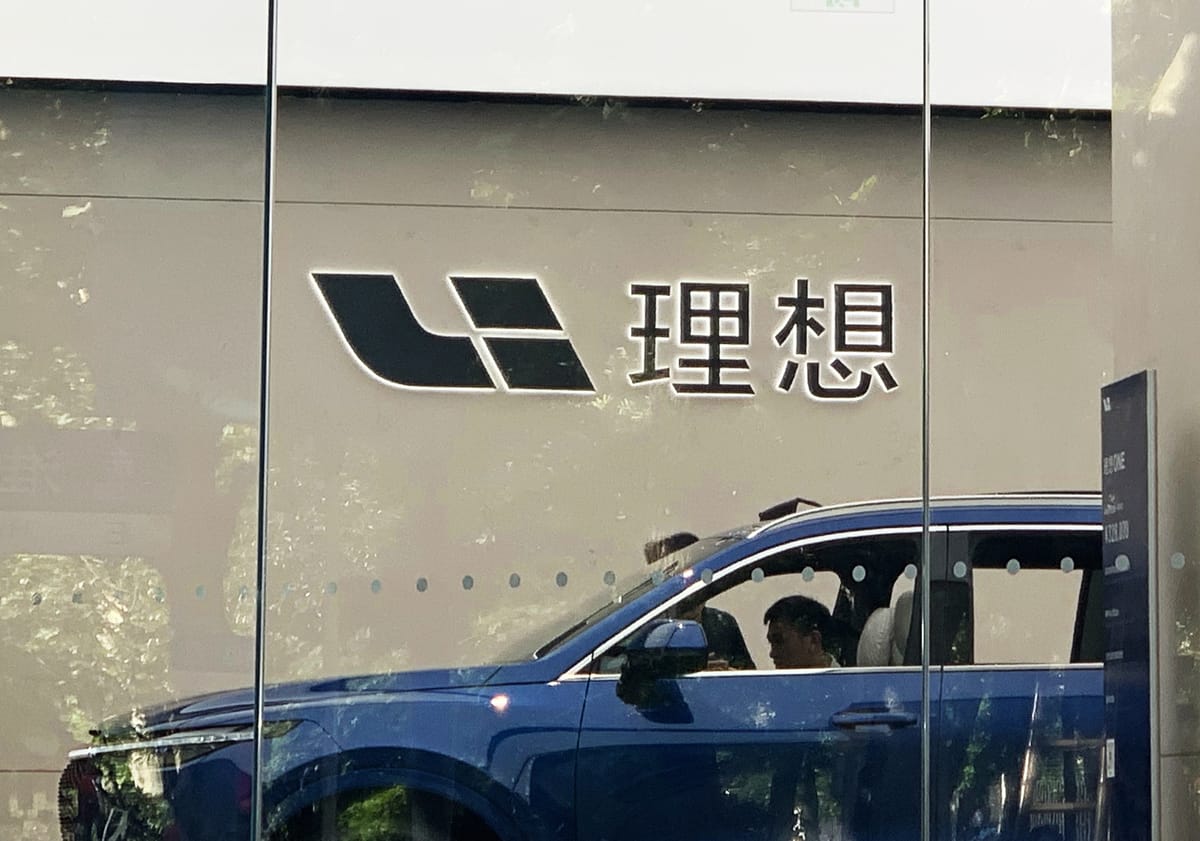
Li Auto is set to launch its next-generation L9 SUV in the second quarter of 2026, with CEO Li Xiang announcing a premium Livis variant priced at 559,800 yuan ($78,000) that features groundbreaking technology including the world's first fully active 800V suspension system under 600,000 yuan and the industry's most powerful 2,560 TOPS computing platform.
The announcement marks a strategic shift for the Chinese electric vehicle maker, which gained market attention four years ago with the original L9's focus on family comfort features. Li emphasized that the new model's evolution centers on creating experiential differentiation rather than competing on specification upgrades, positioning it as a vehicle designed to understand users' needs.
The Livis variant represents Li Auto's vision for flagship SUVs in the era of embodied intelligence, incorporating advanced driver-assistance capabilities and chassis technologies previously unavailable in its price segment. The company will also introduce customized two-tone body options using triple-layer painting and seamless hand-polishing processes.
Li's social media post urged potential buyers of full-size luxury SUVs to wait for the second-quarter launch, signaling confidence in the vehicle's competitive positioning in China's premium EV market.
Three Technical Breakthroughs Define Premium Offering
The L9 Livis introduces three core technological advances that Li Auto characterizes as "cross-generational" achievements. The vehicle becomes the first globally to offer an 800V fully active suspension system priced below 600,000 yuan, delivering over 10,000 Newtons of single-wheel lifting force with millisecond-level response times and eliminating the need for anti-roll bars. This system enables what Li described as "anti-physics" body posture control, combining premium comfort with enhanced handling dynamics.
The SUV also debuts what Li Auto calls the world's first "complete" fully by-wire chassis, integrating steer-by-wire, four-wheel steering, and the industry's first fully electronic mechanical braking system (EMB). This architecture creates multiple cross-redundancy safety layers across steering, braking, and electric drive systems, delivering neural-network-like intuitive response and enabling evolution from "human-driving native" to "human-machine co-driving native" operation.
Computing Power Surpasses Nvidia Platform
The L9 Livis is equipped with dual 5nm Mach 100 chips developed in-house by Li Auto, delivering 2,560 TOPS of computing power. According to Li, the effective computing capacity exceeds Nvidia's Thor-U platform by three times, making it the most powerful autonomous driving system currently available globally. The setup includes 360-degree lidar coverage around the vehicle.
This computing architecture positions Li Auto to compete directly with premium offerings from domestic rivals including Huawei-backed brands and international luxury manufacturers entering China's intelligent vehicle market. The significant computational capability aims to support advanced driver-assistance features and future autonomous driving capabilities as regulations evolve.
Design and Market Positioning
Responding to customer feedback, Li confirmed the next-generation L9 will offer customized two-tone body options manufactured using specialized triple-layer painting and seamless hand-polishing techniques. The CEO framed this as refusing to choose between "ultimate technology and ultimate aesthetics."
The original L9 became known in Chinese automotive circles for its emphasis on passenger comfort features, with Li's marketing emphasizing family-oriented amenities. The new generation maintains the full-size SUV format while adding performance-oriented technologies, attempting to broaden appeal beyond family buyers to enthusiasts seeking driving dynamics alongside advanced autonomous features.
The second-quarter 2026 launch timeline positions the vehicle ahead of China's traditional peak sales period in the latter half of the year, while competing against established luxury SUV offerings from both traditional automakers and emerging Chinese EV manufacturers expanding their premium lineups.