
Li Auto Swings to Loss in Q3 as Recall Hits Margins; Q4 Outlook Misses Estimates
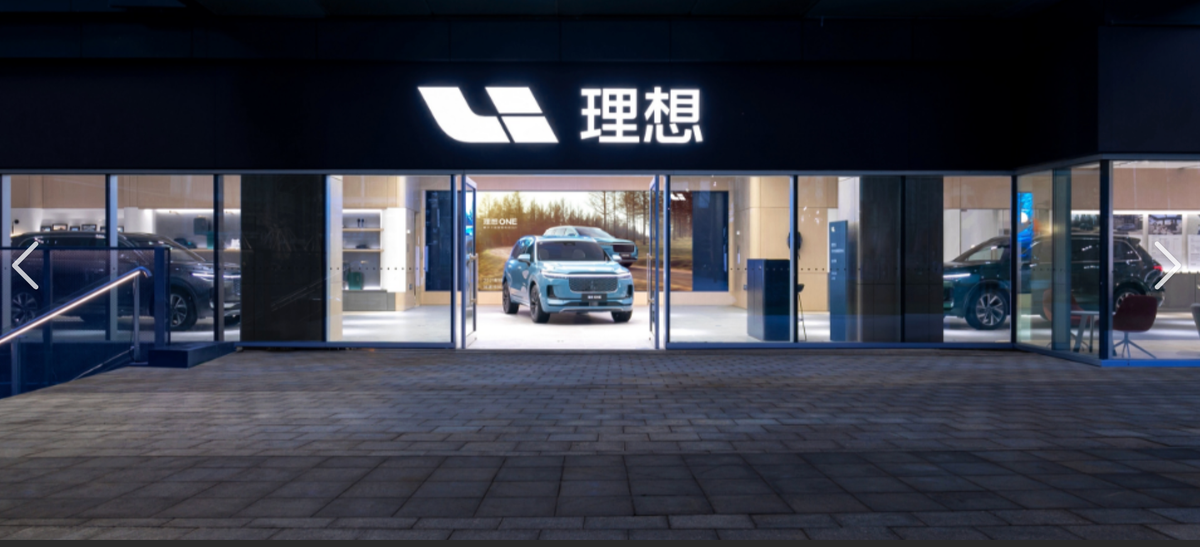
Li Auto Inc. reported a swing to a net loss in the third quarter of 2025, driven by a sharp decline in deliveries and substantial costs associated with a vehicle recall, while providing a fourth-quarter revenue outlook that significantly missed market expectations.
The Beijing-based electric vehicle maker posted a net loss of RMB 624 million (US$85.7 million) for the quarter ended September, a stark contrast to the RMB 2.8 billion profit recorded in the same period a year earlier. Revenue fell 36.2% year-on-year to RMB 27.4 billion, reflecting a 39% drop in vehicle deliveries to 93,211 units. The company’s gross margin contracted to 16.3% from 21.5% a year ago, weighed down by the financial impact of recalling its MEGA marketing model.
Looking ahead, Li Auto projected fourth-quarter revenue between RMB 26.5 billion and RMB 29.2 billion, falling nearly 30% short of analyst estimates which centered around RMB 37.25 billion. The automaker expects to deliver between 100,000 and 110,000 vehicles in the final quarter, well below the market consensus of nearly 136,000 units. Amid the weak guidance, Li Auto’s shares fell more than 4% in U.S. pre-market trading.
The results highlight mounting pressures on the automaker as it navigates fierce competition in China’s electric vehicle market and internal operational challenges. Beyond the headline loss, the company reported a significant deterioration in cash flow, signaling financial strain during a critical transition period involving the rollout of new pure-electric models.
Recall Weighs on Profitability
Profitability metrics were heavily impacted by the recall of the Li Auto MEGA MPV. The company announced on October 31 that it would recall 11,411 MEGA vehicles to replace coolant and power battery components due to corrosion risks that could lead to thermal runaway.
Management attributed the drop in gross margin to closely 16.3% largely to the accrued costs of this recall. Media reports estimate the recall resulted in a loss of approximately RMB 1.11 billion for the quarter. Excluding the impact of the recall, the gross margin would have been 20.4%. Similarly, the vehicle margin fell to 15.5%, down from 20.9% a year earlier, driven by both the recall expenses and higher unit manufacturing costs resulting from lower production volumes.
Weak Delivery Outlook and Market Share
The company’s guidance indicates a continued struggle to regain momentum. The projected fourth-quarter deliveries represent a year-on-year decline of over 30%. Based on these forecasts, Li Auto’s total deliveries for the full year 2025 are expected to land between 397,000 and 407,000 units, a roughly 20% decrease compared to the approximately 500,000 vehicles delivered in 2024.
Analysts note that Li Auto is losing market share in the RMB 300,000 to RMB 500,000 family SUV segment, where price wars have intensified. Competitors including BYD, Huawei-backed AITO, and Xpeng have aggressively targeted this segment, challenging Li Auto’s dominance despite the overall growth in China’s new energy vehicle market.
Cash Flow Deterioration
Financial stability indicators weakened significantly during the quarter. Li Auto reported negative operating cash flow of RMB 7.4 billion, a sharp reversal from the positive RMB 11 billion generated in the same period last year. Free cash flow plummeted to negative RMB 8.9 billion, compared to a positive RMB 9.1 billion a year prior.
Management explained that the cash flow drain was primarily due to decreased cash receipts from customers amid softer sales, alongside increased payments for inventory. The inventory buildup suggests the company is stocking up for the production of its new pure-electric models, adding capital pressure during a period of revenue contraction.
Product Pipeline and AI Focus
Despite the financial headwinds, Li Auto emphasized progress in its product pipeline and technology investments. CEO Li Xiang stated that the company’s new models, the Li Auto i8 and i6, have accumulated over 10,000 orders. The i6, a five-seat pure electric SUV, is positioned to compete in the mainstream household market with high-performance battery configurations.
The company maintained a high level of research and development spending, which reached RMB 3 billion in the third quarter, representing over 10% of revenue. Li Auto expects full-year R&D investment to reach RMB 12 billion, with more than RMB 6 billion allocated to artificial intelligence. CEO Li noted that the monthly usage rate of their VLA driver model reached 91% in October, citing it as evidence of their leading capabilities in autonomous driving technology. However, management also warned that supply chain bottlenecks could impact the conversion of new model orders into final deliveries in the coming months.