
OPPO and vivo Announce Price Hikes Amid Rising Component Costs
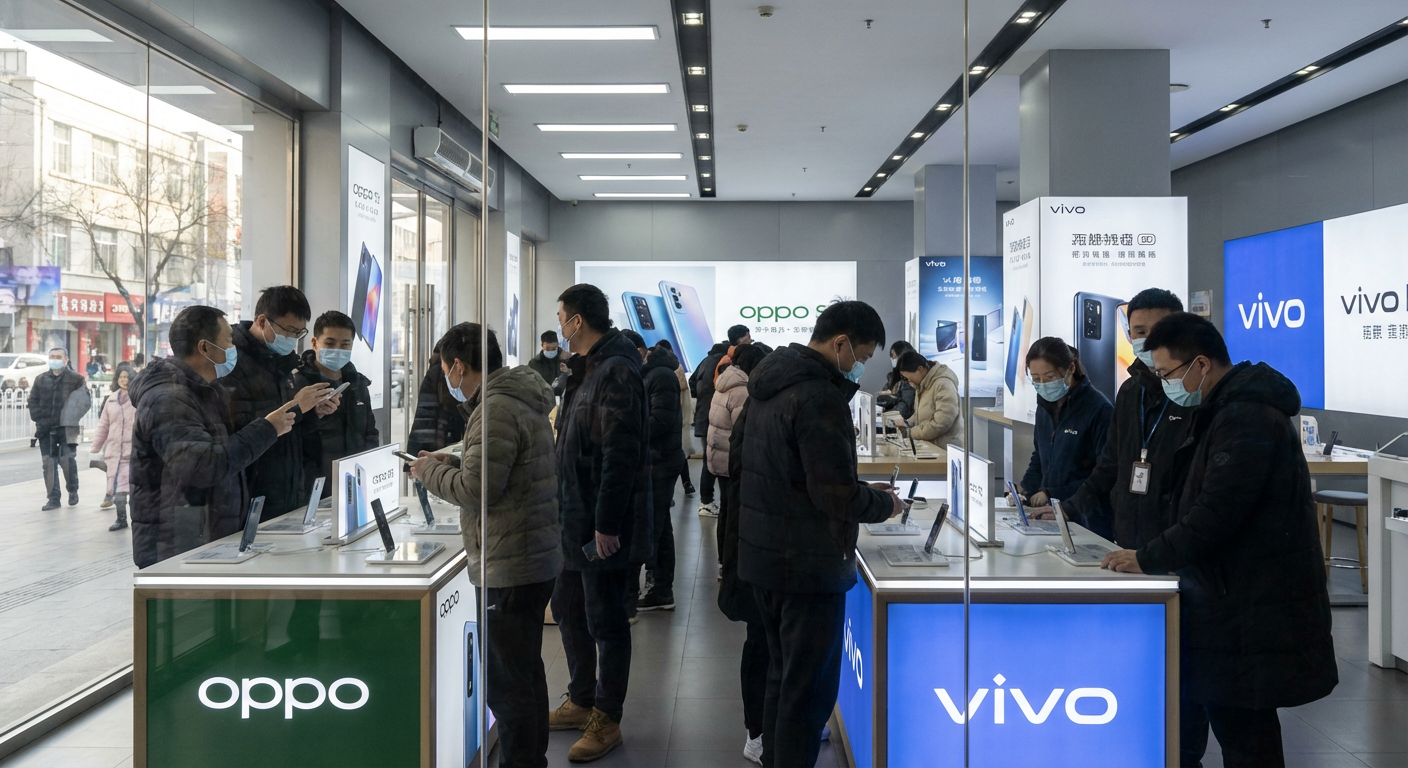
Leading Chinese smartphone manufacturers have announced adjustments to retail prices for several existing models, signaling a broader industry trend of rising costs driven by surging semiconductor and memory prices. The move by major players highlights the growing pressure on consumer electronics margins as supply chain dynamics shift in the global market.
According to a report by IT Home published on March 16, 2026, both OPPO Electronics and vivo Mobile Communication have officially confirmed price increases for select product lines. The adjustments reflect a strategic response to the "comprehensive price increase era" currently affecting the mobile industry due to the escalating cost of memory modules.
OPPO initiated the adjustments on March 16, targeting specific existing models. The price changes affect the company's "A" series, "K" series, and its sub-brand OnePlus Technology. However, the report notes that OPPO's flagship "Find" series, the "Reno" series, and its tablet line, the OPPO Pad, are currently excluded from these adjustments.
Following closely, vivo and its sub-brand iQOO also announced similar measures on the same day. Citing a "continuous and significant rise in global semiconductor and storage costs," vivo stated that its new suggested retail prices would take effect from 10:00 AM on March 18, 2026. The company did not list specific price points in the announcement, instead directing consumers to official channels for updated pricing on individual models.
Market analysts attribute these hikes to broader supply chain constraints. Data from TrendForce indicates that shortages and price spikes in memory components—which constitute a significant portion of a smartphone's bill of materials—are impacting shipment planning for 2026. The research firm projects global smartphone panel shipments will decline by approximately 7.3% year-over-year to 2.14 billion units in 2026, ending a growth cycle that began in 2023.
The rising cost of memory is forcing smartphone brands into a difficult position. To maintain competitiveness while protecting margins, manufacturers are expected to pass some costs onto consumers while simultaneously exerting greater pressure on suppliers of other key components, such as display panels, to lower their prices. This cost-control strategy suggests that the industry may see intensified negotiations across the supply chain throughout the remainder of the year.
Related Coverage:
Chinese Smartphone Giants OPPO, Vivo Target DJI in Handheld Camera Push
China's Smartphone Giants Pivot to On-Device AI in Race for Dominance