
OPPO’s Premium Push Jolted by Screen Defect Backlash
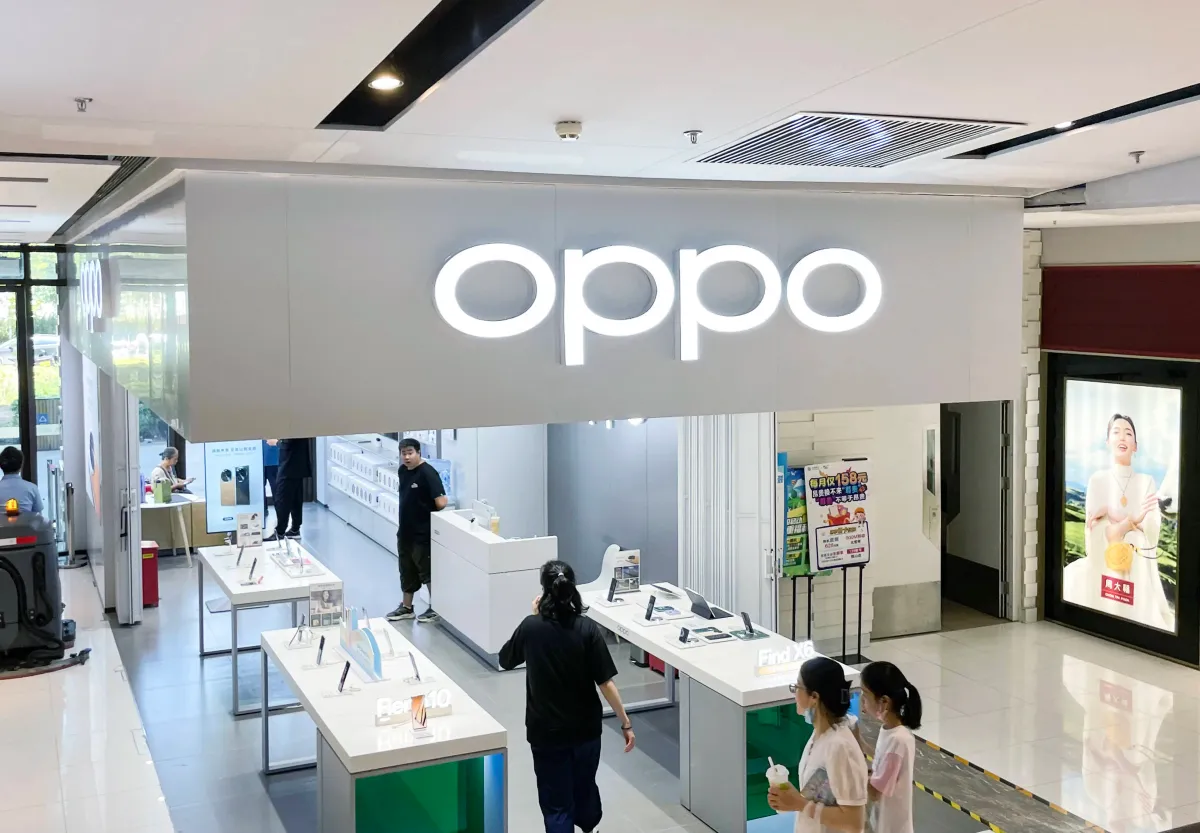
OPPO is grappling with a burgeoning customer backlash over a screen defect in its older flagship smartphones, a crisis that strikes at the heart of its premium market ambitions. The controversy, dubbed “Green Line Gate” on social media, has cast a shadow over the launch of its new Find X9 series, raising questions about product quality and after-sales service as the company battles declining market share in the highly competitive global smartphone landscape.
The issue centers on a vertical green line that has reportedly appeared on the displays of several older high-end models, including the Find X2, X3, and X5 series, often three to four years after purchase. The timing is particularly damaging for OPPO, as the complaints gained widespread attention in October 2025, just as the company rolled out its latest flagship, the Find X9, a device central to its strategy of capturing more of the lucrative high-end market.
In response to the growing complaints, OPPO announced a service policy offering free screen replacements for affected devices within four years of the original purchase date. For devices older than four years, the company said it would provide a discounted replacement option at a price “far below market rate.”
However, the company’s official response has been met with a wave of customer frustration over its real-world implementation. Users have reported significant difficulties in accessing the promised support, with complaints of unresponsive customer service hotlines and inconsistent application of the policy. This gap between corporate promises and customer experience now threatens to erode brand loyalty among its most valuable users, jeopardizing OPPO's long-term push into the premium segment.
A Widening Gap Between Policy and Experience
Despite OPPO’s official policy, users have detailed a frustrating and fragmented after-sales process, turning a hardware issue into a crisis of service. Customers have taken to social media platforms like Xiaohongshu to report that calls to customer service go unanswered for extended periods, creating an immediate barrier to accessing the repair program.
Furthermore, the policy's conditions have proven to be a significant hurdle. One user reported their Find X3, which developed the green line after four years and six months of use, was quoted a repair price of around RMB 499 yuan (US$70) if they could provide proof of purchase. Without the receipt—a document many do not retain for years—the cost soared to over RMB 1,700 yuan. “I feel like I’m being kicked around like a ball,” the user stated, highlighting a sentiment of helplessness shared by others.
These experiences suggest that the service framework is creating obstacles for the very customers it is intended to support. By imposing strict documentation requirements and creating inconsistencies across service channels, OPPO’s handling of the issue risks alienating a core group of users who had previously invested in its high-end products, undermining the trust essential for a premium brand.
Premium Push Meets Reality Check
The service debacle directly conflicts with OPPO’s strategic pivot towards the premium market over the past three years. Since the launch of the Find X2 in 2020, the company has consistently positioned its Find series as a competitor to top-tier rivals, emphasizing advanced imaging systems, premium design, and smooth performance. This push has recently expanded into software and services, marked by a collaboration with Ant Group to integrate AI into finance and health applications.
The “Green Line Gate” serves as a stark reality check. The affected devices are predominantly flagship models, purchased by consumers willing to pay a premium for what they believed was a superior product. Their negative experience has a powerful “outward spillover effect,” influencing the purchasing decisions of potential new customers in a saturated market where word-of-mouth is critical.
These long-term users represent a brand's most valuable asset in the premium segment, where loyalty and perceived value, not price wars, drive sales. Retaining them is crucial for stable revenue and brand reputation. The current service failures place this vital customer base at risk, suggesting that OPPO’s technological investments have yet to be matched by a correspondingly robust service infrastructure.
Market Share Pressures Mount
The timing of the controversy is exacerbated by OPPO’s already precarious market position. According to IDC data for the third quarter of 2025, OPPO’s market share in China stood at 14.5%, signaling a slide in domestic rankings. While the overall market saw a slight decline, OPPO’s performance suggests it is facing increasing pressure from competitors.
Globally, the challenge is even more pronounced. In the same quarter, OPPO fell out of the top-five global smartphone shippers and was relegated to the “Others” category by IDC. This contrasts with rivals like Transsion and vivo, which posted growth during the period, indicating a weakening of OPPO’s international momentum.
Most critically, OPPO is absent from the top players in the global premium market. A report from Counterpoint Research on the first half of 2025 showed that while the high-end segment (phones priced over $600) grew 8% year-over-year, OPPO failed to rank in the top five. Apple dominated with a 62% share, followed by Huawei, Xiaomi, Google, and Samsung, all of whom are cementing their positions in this profitable category. OPPO's inability to secure a foothold suggests its heavy investment in its Find series and AI has not yet translated into a globally recognized premium brand asset.
This combination of declining market share and a public service crisis signals that OPPO is at a critical juncture. While the upcoming Find X9 and new AI features may provide a short-term boost, the long-term challenge is clear: building a true premium brand requires more than advanced hardware. It demands a foundation of trust, service, and a seamless user experience that OPPO must now race to repair.