
Pop Mart Pivots From "Suboptimal" Pre-Order Frenzy To Sustainable Growth, Morgan Stanley Says
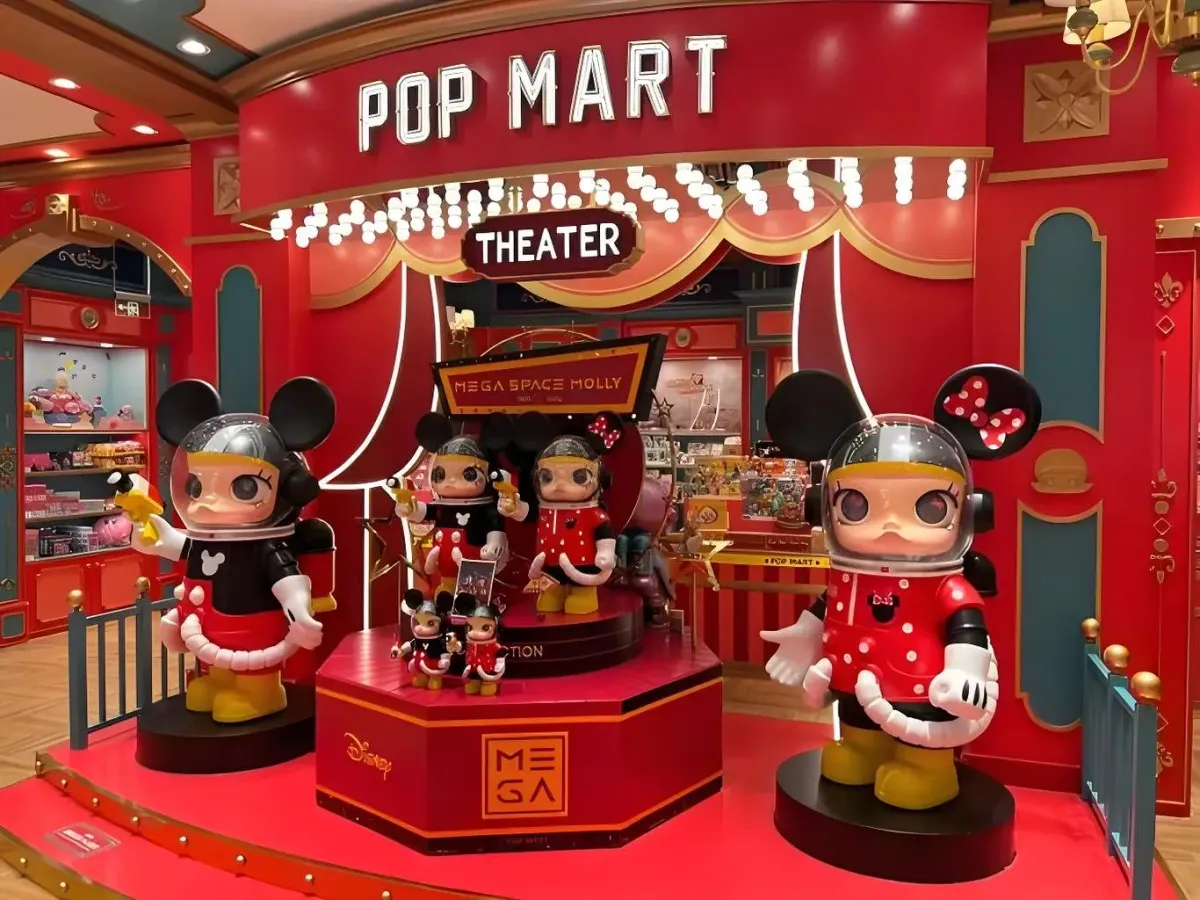
In a note that will likely raise eyebrows among momentum-chasing investors, Morgan Stanley analysts on October 30, 2025, highlighted a significant strategic shift at Chinese toy giant Pop Mart International Group. Following a blowout third quarter driven by a frenzy of pre-orders for its viral Labubu IP, the company is now deliberately throttling that very mechanism. This counterintuitive move, away from maximizing short-term hype and toward long-term brand health, offers a compelling look into a high-growth company navigating the perils of its own success.
The report is noteworthy because it details Pop Mart's conscious decision to sacrifice what could have been spectacular sequential growth in Q4 2025 for what it deems "business quality and sustainability." For investors tracking the global consumer space, this pivot is a crucial case study in brand management versus quarterly performance pressure.
Taming The Labubu Beast
Pop Mart's spectacular 3Q25 sales beat was largely fueled by online pre-orders for its wildly popular Labubu products. The company effectively sold out its entire third-quarter capacity in just a few weeks. However, management has now decided this approach is a double-edged sword, and is pulling back significantly in the fourth quarter.
Morgan Stanley explains the rationale, noting that the pre-sale model is fundamentally at odds with the company’s core strategy of carefully managing a product’s lifecycle to build desire and longevity.
"We think pre-order is not ideal for Pop Mart's business model, as it goes against its product lifecycle management. In order to make a popular product more popular, it needs to pace supply, instead of flooding the market with inventory. While pre-sales enable efficient access to target consumers, this method could lead to excess IP exhaustion if not executed well."
The bank notes that Pop Mart only resorted to large-scale pre-orders to "ease consumer frustration, resale premiums and counterfeits" after Labubu's popularity exploded. With that pressure now partially relieved, the focus is shifting back to a more disciplined approach. As the company itself highlighted, having already far exceeded its 2025 financial budget, the priority is no longer about "forcing a sequential q/q growth in 4Q25."
The US Gambit: From Online Hype To Offline Loyalty
This strategic pivot has direct implications for Pop Mart’s highly-watched expansion in the United States. While the company views the US as being in its "early innings" with plans for more flagship stores in high-traffic locations through 2026-27, it is actively trying to shift the sales mix.
Management’s concern is that the online channel, while efficient for sales, is less effective at creating dedicated fans. The report points out their belief that "consumers shopping in stores are more likely to become recurring customers, especially for their first purchases."
Consequently, the company's US website has now restricted Labubu sales to in-stock items, which may "temporarily impact its US online sales." The bet is that near-term online softness will be more than offset by building a stickier, more valuable customer base through its expanding physical footprint. This strategy is further supported by diversifying its IP appeal, with Skullpanda gaining traction as the No. 2 IP in the US and the company making its debut in the Macy’s Thanksgiving Day Parade.
Untangling The Supply Chain
The viral success of Labubu also exposed operational bottlenecks. The report notes that production capacity constraints were a key reason for the late arrival of Halloween collections in the US and a supply shortage of the rising Twinkle Twinkle IP in China.
"While capacity has increased significantly in the past few months, a big portion was allocated to Labubu restocking. Also, suppliers have begun producing 2026 products to ensure that each important collection can be launched as planned, unlike this year, when many products were delayed."
Looking ahead, Pop Mart is not only working to expand capacity but is also exploring a major strategic overhaul of its logistics. The company is assessing Latin America for both market potential and, more critically, as a potential sourcing hub for the US market. A move to near-shore production from Latam could drastically cut the current two-month shipping time from China, significantly improving operational agility.
Despite these tactical shifts and self-imposed brakes on short-term growth, Morgan Stanley notes that Pop Mart maintains its 2025 Net Profit Margin guidance of ~35%, with its projected 2025 net income expected to reach RMB 12.3 billion yuan (US$1.7 billion). This suggests a quiet confidence that its strategic gamble—trading a quarter of explosive growth for a more durable, global brand—will ultimately pay off.