
Sanhua Holdings Posts Narrow Revenue Growth as Auto Unit Rescues Q1 Amid Cooling Demand Slowdown
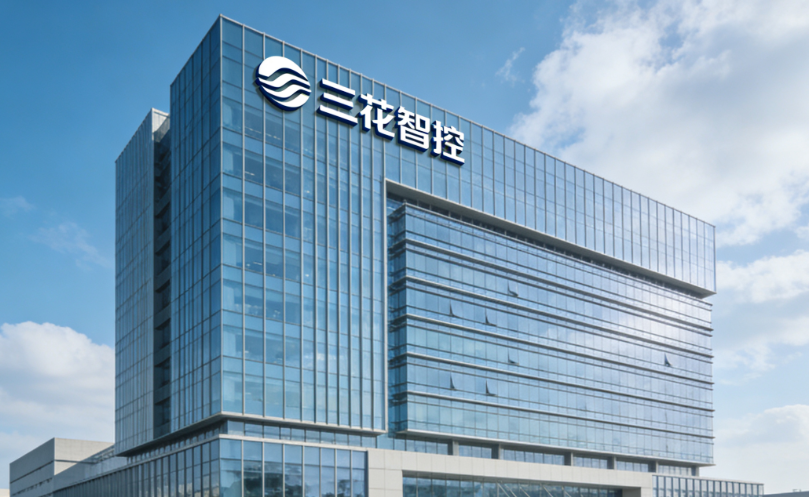
Chinese thermal management components manufacturer Sanhua Holding Group (2050.HK) returned to revenue growth in the first quarter of 2026 after two consecutive quarterly contractions, driven by unexpected strength in its automotive division despite a challenging macroeconomic backdrop.
The Hangzhou-based supplier posted Q1 revenue of RMB 7.77 billion ($1.08 billion), up 1% year-over-year, ending a negative growth streak that extended through late 2025. Core operating profit surged 21% to RMB 1.22 billion ($169 million) as management aggressively controlled selling and administrative expenses, which fell 39.5% quarter-over-quarter to RMB 540 million ($75 million).
However, net profit grew just 3% to RMB 930 million ($129 million), weighed down by foreign exchange headwinds and non-recurring items. Excluding these factors, adjusted net profit rose 15.5% to RMB 990 million ($137.5 million), broadly aligning with management's full-year guidance for approximately 15% profit growth.
Auto Unit Defies Industry Downturn
Sanhua's automotive thermal components division generated approximately RMB 3.12 billion ($433 million) in Q1 revenue, representing roughly 15% year-over-year growth during what is traditionally the weakest seasonal quarter. The performance contrasted sharply with broader industry trends: China's new energy vehicle (NEV) sales fell 5% following the expiration of purchase tax incentives, while combined deliveries from Sanhua's two largest customers—BYD and Tesla—declined 21%.
The upside stemmed from two structural shifts. First, Chinese NEV exports climbed 14.8% to 640,000 units as European markets—supported by renewed EV subsidies of €3,000-6,000 per vehicle amid energy security concerns—absorbed excess domestic production. Second, Sanhua continued diversifying its customer base: large-client concentration declined to 20-25% of automotive revenue, down from prior peaks above 30%, as orders from Xiaomi, Leapmotor, Geely, and Li Auto accelerated.
Management also confirmed ongoing capacity expansion in Thailand and Mexico to mitigate trade barrier risks as overseas production scales. The company is prioritizing offshore manufacturing as protection against potential tariff escalation, particularly as U.S.-China trade tensions persist through 2026.
Cooling Division Faces Second Consecutive Contraction
By contrast, Sanhua's core refrigeration controls business generated approximately RMB 4.66 billion ($647 million) in revenue, down 6% year-over-year and marking its second straight quarterly contraction.
Three factors drove the weakness.
First, base effects: Q1 2025 benefited from front-loaded U.S. orders ahead of tariff implementation and peak domestic appliance subsidies, creating a difficult comparison. Second, U.S. demand remained subdued due to unseasonably mild weather disrupting HVAC replacement cycles, although management indicated a potential recovery beginning in May. Third, China's 2026 appliance subsidy program tightened significantly—limiting rebates to top-tier energy-efficient models, reducing subsidy rates from 20% to 15%, and lowering per-unit caps from RMB 2,000 to RMB 1,500 ($278 to $208).
Management maintained Q2 guidance for a recovery in the cooling segment, citing expected North American volume growth and potential stimulus from China's appliance trade-in programs. New product launches scheduled for 2026 are also expected to contribute incremental revenue in the second half.
Margin Pressure from Commodity Volatility
Gross margin compressed 3.4 percentage points sequentially to 27.8%, below the 28.5% consensus estimate, primarily due to divergent raw-material pass-through dynamics across business units.
The automotive division, which relies heavily on aluminum inputs, absorbed margin pressure as aluminum prices increased while fixed-price contracts with OEM customers prevented immediate cost recovery. Although Sanhua employs hedging strategies, rapid commodity price fluctuations create temporary basis risk. Aluminum hedges typically require one to two quarters to fully offset spot price increases, compressing automotive margins in the near term.
The cooling division maintains copper-linked pricing mechanisms covering approximately 90% of sales volumes, enabling smoother cost pass-through. However, profitability weakened as higher-margin overseas markets—particularly the United States—experienced volume declines while lower-margin domestic sales represented a larger share of the mix. Additionally, Q4 2025 margins benefited from favorable copper pricing lags, as selling prices adjusted faster than cost of goods sold, creating an elevated comparison base. Copper averaged RMB 87,000 per ton in Q4 before rising toward RMB 100,000 by year-end.
U.S. dollar depreciation against the renminbi also pressured reported margins.
Robot Revenue Remains Minimal as Tesla Delays Production
Sanhua did not separately disclose humanoid robot-related revenue, reinforcing market expectations that commercialization remains premature. Tesla's Optimus Gen 3 has yet to finalize design specifications for mass production, leaving the supply chain in sampling and co-development stages.
However, Sanhua continues positioning itself as a leading candidate for joint actuator and assembly supply, having expanded its dedicated robotics team to 200-300 engineers. Management emphasized deep collaboration with anchor customers during the industry's "zero-to-one" validation phase rather than pursuing broad customer acquisition.
Critically, Tesla's Optimus Gen 3 production timeline has shifted again—from an earlier Q1 2026 target to summer 2026 (July-August). The delay is likely to pressure near-term investor sentiment surrounding Sanhua's robotics exposure, though management stressed that Production Purchase Agreements (PPAs) continue progressing and supply-chain preparations remain on schedule.
Once mass production begins, Sanhua's position within the high-value actuator subsystem could drive meaningful revenue contribution, although commercialization timing remains uncertain.
Overseas manufacturing capacity for actuator systems is also advancing in line with plans, aimed at reducing tariff exposure once commercial volumes ramp.
Data Center Cooling Provides Near-Term Growth Visibility
Sanhua's air-cooled and immersion-cooled data center (AIDC) thermal management solutions generated approximately RMB 1.4 billion ($194 million) in 2025 revenue, while total AIDC and energy-storage thermal management sales reached roughly RMB 2 billion ($278 million).
Management reaffirmed 2026 guidance for 50-100% growth in the segment, which could contribute 3-5 percentage points to consolidated revenue growth.
The company supplies microchannel heat exchangers and liquid-cooling components to North American hyperscalers through partnerships with Trane Technologies and other Tier-1 integrators, benefiting from robust U.S. data center construction linked to AI-driven compute expansion. In China, Sanhua is collaborating with Vertiv and YikeInnoke as domestic liquid-cooling adoption accelerates from a relatively small base.
While AIDC revenue still represents a mid-single-digit percentage of total sales, its strategic importance and triple-digit growth trajectory make it one of the company's clearest near-term growth catalysts outside its core businesses.
Outlook Balances Caution with H2 Acceleration
Sanhua maintained its full-year adjusted net profit growth guidance of approximately 15%, implying stronger growth in subsequent quarters given Q1's modest 3% headline increase.
Management characterized Q2 as a transition period featuring "steady" rather than "strong" sequential improvement, citing persistent macroeconomic uncertainty and elevated prior-year comparisons.
The anticipated growth inflection remains weighted toward the second half of 2026 as several factors converge: continued momentum in automotive components driven by exports and customer diversification; easing comparisons in cooling operations; scaling AIDC revenue contributions; and incremental support from new product launches.
Potential second-quarter catalysts include stabilization in the U.S. cooling market beginning in May and renewed appliance trade-in stimulus in China. However, management adopted a conservative tone regarding robotics monetization timelines, acknowledging that meaningful commercial revenue remains dependent on customer production schedules outside Sanhua's direct control.
The company's profitability resilience continues to stem from structural advantages, including copper-linked pricing in cooling operations (covering roughly 90% of sales), ongoing cost-reduction initiatives, and commodity hedging strategies. These mechanisms should help sustain margins near current levels absent extreme commodity volatility.
Sanhua's Q1 results ultimately highlight a bifurcated outlook: stabilization in core operations offset by delayed monetization optionality in emerging verticals. Investors must weigh the automotive division's demonstrated resilience and AIDC's visible growth trajectory against prolonged uncertainty surrounding humanoid robot commercialization, now pushed back by at least another quarter.