
Shanghai's First Brain-Computer Interface Patient Shows Signs of Neural Regeneration One Year After Surgery
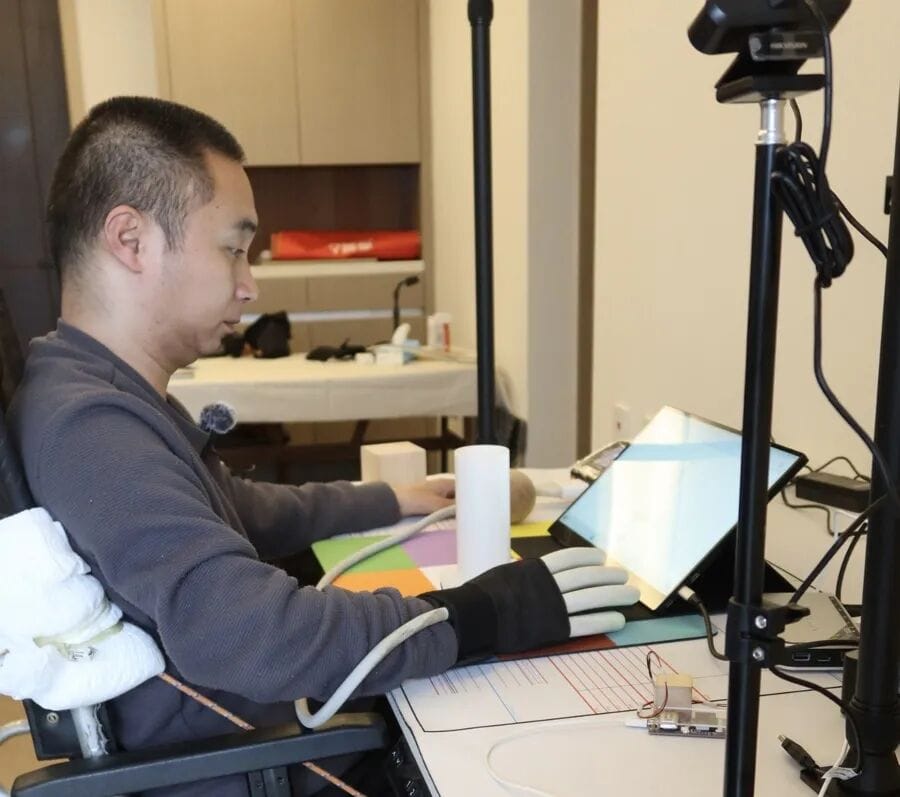
A high-level paraplegic patient in Shanghai is demonstrating remarkable recovery one year after receiving China's first domestically developed implantable brain-computer interface, with medical evaluations revealing signs of neural regeneration and significant improvements in motor function. The 38-year-old patient, known as Xiao Dong, has regained the ability to grip small objects, write, and control bowel movements—functions he lost following a 2020 traffic accident.
The milestone comes as China accelerates development of brain-computer interface technology for medical applications. Xiao Dong underwent the implantation procedure at Huashan Hospital in Shanghai last year, becoming the city's first patient to receive the NEO wireless brain-computer interface system developed by a team led by Professor Hong Bo at Tsinghua University.
Latest medical assessments at Huashan Hospital show Xiao Dong's hand motor function scores improved by 20 points compared to pre-surgery levels, while his spinal cord injury classification improved from Grade B to Grade C—indicating nerve regeneration. Most notably, he has regained the ability to sweat, a function lost for over four years since his accident.
The NEO system, developed and tested in Shanghai, became China's first brain-computer interface product to enter the national innovative medical device fast-track approval process in August last year. The device is now moving toward commercialization in Shanghai.
Recovery Surpasses Expectations
Xiao Dong's progress over the past year has exceeded initial projections. After the surgery in late 2024, he began rehabilitation training within a month, focusing on translating neural signals into physical movements through a pneumatic glove system.
His training regimen requires four hours daily, split into two-hour sessions. The protocol involves using mental concentration to trigger the brain-computer interface, which then activates the glove to perform grasping exercises. Within six months, he progressed from basic grip exercises to picking up small steel balls and pills—among the most challenging tasks in the training program.
By June 2025, Xiao Dong could hold a marker and write. He documented his progress by writing a two-character thank-you note and posting the video for the research team. His body weight has also recovered from a low of 29 kilograms following the accident to a healthier level, and his hands, previously perpetually cold, now maintain normal temperature.
Neural Function Restoration Beyond Motor Control
Beyond the targeted motor improvements, Xiao Dong is experiencing broader physiological recovery that suggests systemic neural regeneration. Medical staff note these changes may indicate his nervous system is gradually repairing itself.
Starting in July and August 2025, he began to regain autonomous bowel control, reducing his dependence on laxatives. He has also reported tingling sensations in his legs and lower back—areas that had been completely numb since the accident. Most recently, during his trip to Shanghai for his one-year evaluation, he began sweating normally for the first time in over four years.
"The doctoral students from Professor Hong's team told me these might be signs that neural function is being restored," Xiao Dong said, noting that Yang, a Beijing patient who received the implant earlier, experienced similar symptoms before regaining the ability to lift his legs.
Clinical Support and Technology Development
The rehabilitation process has been supported by continuous monitoring and adjustment from the NEO clinical team in Beijing and Shanghai. Engineers custom-designed equipment for Xiao Dong, including 3D-printed tablet stands that facilitate training without interfering with the brain-computer interface exercises.
Remote monitoring systems allow researchers to track his training data in real-time and adjust protocols through regular video consultations. The team frequently shares progress updates from other patients to maintain motivation. Xiao Dong now maintains a disciplined training schedule, treating it like a daily job.
The NEO system represents a significant advance in China's medical device innovation. Having completed research and development as well as type testing in Shanghai, the product is progressing toward market authorization and eventual commercialization in the city. Xiao Dong has expressed hope that the device will gain regulatory approval and insurance coverage quickly, enabling broader access for paralysis patients across China.
His case demonstrates that while recovery from high-level spinal cord injury remains a lengthy process, advanced technology combined with professional medical support and patient commitment can produce outcomes that were previously considered impossible.